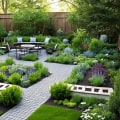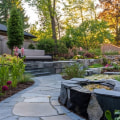
Creating a garden that resonates with balance and harmony is an art form that requires a deep understanding of the fundamental principles of garden design. At the heart of effective garden planning lies the concept of balance, which can be achieved through symmetrical or asymmetrical arrangements. Symmetrical designs often evoke a sense of formality and order, while asymmetrical layouts can create a more dynamic and relaxed atmosphere. By thoughtfully considering the placement of plants, pathways, and structures, you can establish a visual equilibrium that draws the eye and invites exploration. Another essential principle is proportion, which refers to the relationship between different elements in your garden.
This includes the size of plants in relation to one another and their surroundings. For instance, pairing tall plants with shorter ones can create layers that add depth and interest. Additionally, using focal points—such as a striking sculpture or a vibrant flower bed—can enhance the overall composition and guide visitors through your space. Finally, unity is crucial for achieving harmony in your garden design. This principle ensures that all elements work together cohesively, creating a seamless flow throughout the space.
Utilizing a consistent color palette or repeating certain plant types can help tie various sections of your garden together. By embracing these core principles of garden design, you can cultivate an outdoor environment that not only looks beautiful but also feels balanced and harmonious.
Assessing Your Space: Size, Shape, and Environment
Creating a harmonious garden design begins with a thorough assessment of your space. Understanding the size, shape, and environmental factors of your garden is crucial for developing a layout that complements the existing landscape.Evaluating Garden Size
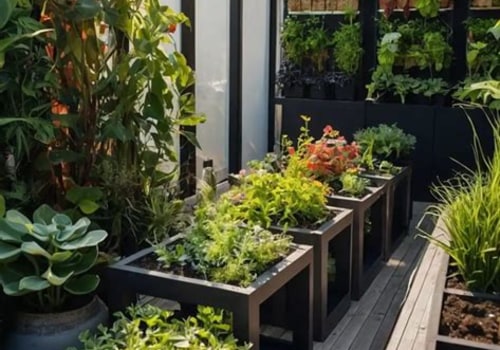
The first step in your garden space assessment is to measure the total area available for planting. Consider the following:- Small Gardens: If you have a limited space, focus on vertical gardening or container plants to maximize your area.
- Medium Gardens: You can incorporate a variety of plants and features, such as pathways and seating areas, while maintaining balance.
- Large Gardens: Larger spaces allow for more extensive designs, but be cautious of overcrowding.
Create distinct zones to enhance visual interest.
Understanding Garden Shape
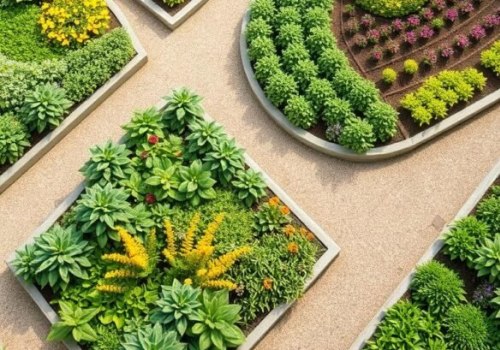
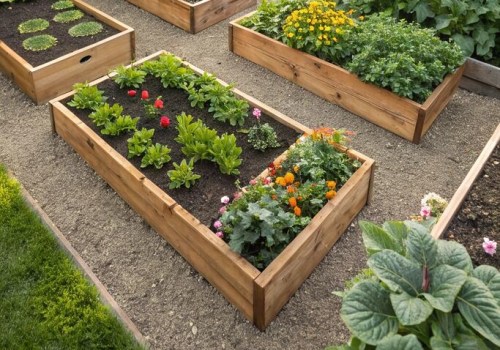
The shape of your garden can significantly influence its design. Here are some common shapes and their implications:- Rectangular Gardens: These are versatile and can be divided into sections for different plant types or themes.
- Circular Gardens: A circular layout can create a focal point, drawing the eye towards a central feature like a fountain or sculpture.
- Irrregularly Shaped Gardens: Embrace the natural contours of your space by using curved paths and organic plant arrangements to enhance flow.
Considering Environmental Factors
Your garden's environment plays a pivotal role in its design. Take into account:- Sunlight: Observe how sunlight moves across your garden throughout the day. This will help you choose appropriate plants for sunny or shaded areas.
- Soil Quality: Test your soil to determine its pH and nutrient levels.
This information is vital for selecting plants that will thrive in your garden.
- Climate: Understand your local climate conditions, including temperature ranges and rainfall patterns, to select plants that are well-suited to your environment.
Choosing the Right Plants for Balance and Harmony
Creating a sense of balance and harmony in your garden design begins with thoughtful plant selection. The right plants can enhance the overall aesthetic, making your garden a tranquil retreat. Here are some key considerations for choosing plants that work well together:- Color Harmony: Select plants that complement each other in color. For instance, pairing cool-toned plants like blues and purples with warm-toned plants such as yellows and oranges can create a visually appealing contrast.
Consider using a color wheel to identify harmonious combinations.
- Texture Variety: Incorporate plants with different textures to add depth to your garden. For example, the soft foliage of ferns can contrast beautifully with the bold leaves of hostas. Mixing fine-textured plants with coarse ones can create a dynamic visual experience.
- Size and Scale: Pay attention to the height and spread of your chosen plants. Taller plants should be placed at the back of borders or in the center of circular designs, while shorter plants can fill in the front.
This layering effect not only adds dimension but also ensures that all plants are visible and appreciated.
By carefully selecting plants that complement each other in terms of color, texture, and size, you can achieve a balanced garden design that brings peace and harmony to your outdoor space.
Incorporating Hardscaping Elements
Incorporating hardscaping elements into your garden design is essential for creating a sense of balance and harmony. Hardscaping refers to the non-plant elements of a garden, such as paths, patios, walls, and other structures. These features can serve both functional and aesthetic purposes, enhancing the overall design while providing structure and organization.Paths
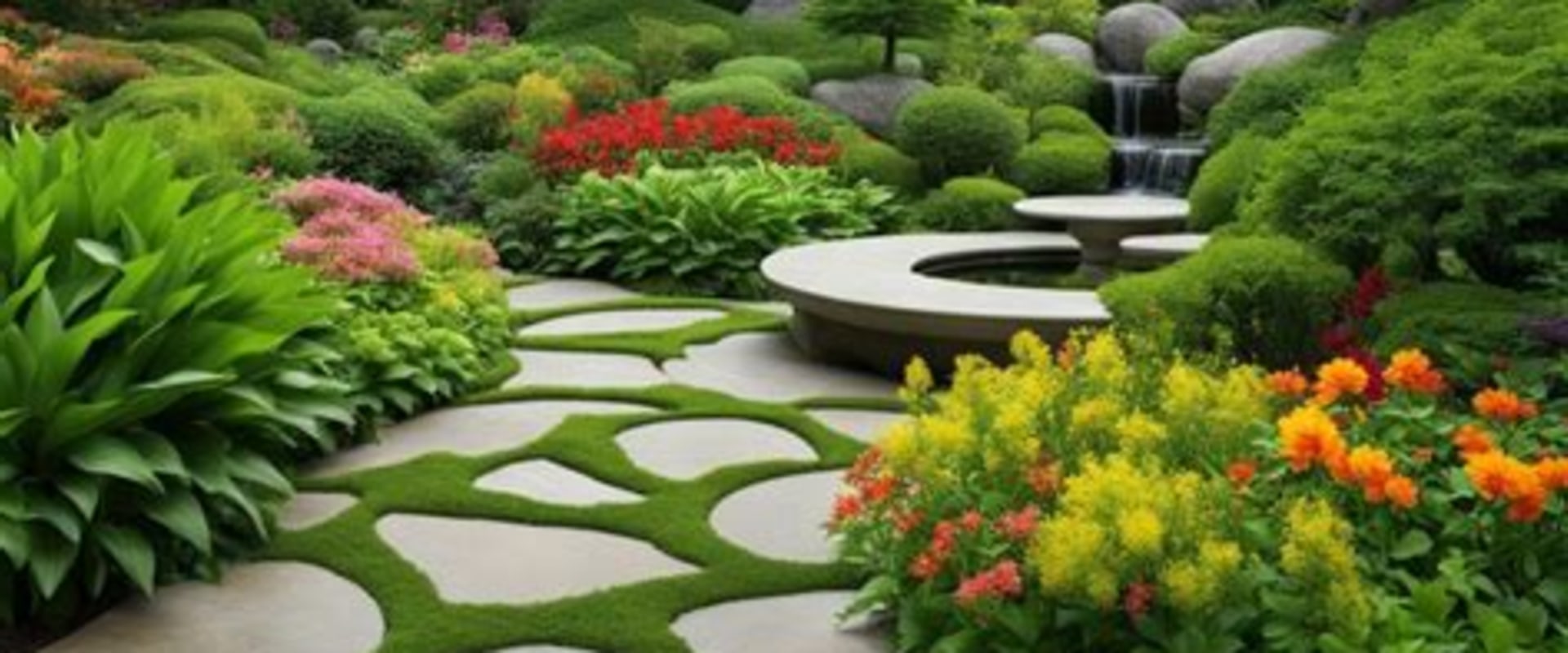
are one of the most fundamental hardscaping elements. They guide visitors through the garden, creating a sense of flow and direction.When designing paths, consider using materials that complement the surrounding plants and structures. For instance, natural stone or gravel can blend seamlessly with a rustic garden, while sleek concrete may suit a modern landscape. The width and shape of the path should also be considered; winding paths can create a more relaxed atmosphere, while straight paths may impart a sense of order.
Patios
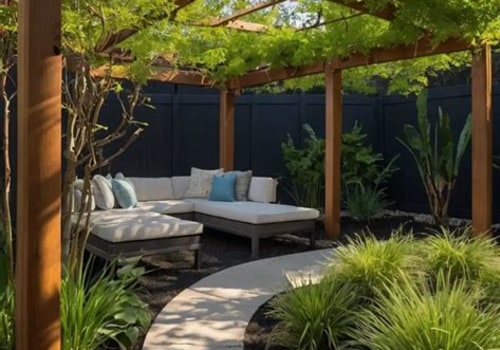
offer another opportunity to enhance balance in your garden design. A well-placed patio can serve as an outdoor living space, providing a focal point that draws the eye.When selecting materials for your patio, think about how they interact with both the hardscaping and softscaping elements. For example, a wooden deck can add warmth to a garden filled with vibrant flowers, while a stone patio may harmonize better with lush greenery.
Walls
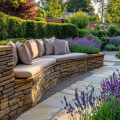
and fences are also crucial in establishing boundaries and creating intimate spaces within your garden. They can provide privacy and shelter while adding vertical interest. When incorporating walls into your design, consider their height and material.Low stone walls can create seating areas or define spaces without obstructing views, while taller structures may offer more privacy but should be balanced with plantings to soften their appearance.To achieve true harmony in your garden design, it’s vital to integrate these hardscaping elements thoughtfully. Consider how each feature interacts with the surrounding landscape and how they contribute to the overall aesthetic. By carefully planning the placement and materials of paths, patios, and walls, you can create a cohesive environment that feels both inviting and balanced.
Creating Focal Points and Visual Flow
Creating a sense of balance and harmony in your garden design involves strategically placing focal points and ensuring a smooth visual flow. Focal points serve as the anchor of your garden, drawing the eye and providing a sense of direction.Here are some effective ways to create focal points:
- Use Unique Structures: Incorporate elements like sculptures, trellises, or water features that stand out against the surrounding greenery.
- Highlight Color: Choose vibrant flowers or plants that contrast with the rest of your garden to create visual interest.
- Incorporate Height Variations: Use taller plants or structures to create vertical interest, guiding the eye upward and adding depth to your design.
- Pathways: Design pathways that lead visitors from one focal point to another, encouraging exploration and engagement with different areas of the garden.
- Plant Grouping: Arrange plants in clusters rather than single specimens. This not only creates a more natural look but also enhances the overall flow by connecting different sections of your garden.
- Consistent Themes: Maintain a cohesive theme throughout your garden by using similar colors, textures, or plant types. This consistency helps unify various elements and promotes harmony.
Remember, the goal is to guide visitors' eyes naturally through your garden, allowing them to appreciate each element while feeling a sense of balance throughout the entire space.
Utilizing Color Theory in Garden Design
Understanding color theory is essential for creating a garden that feels balanced and harmonious. By applying the principles of color relationships, you can enhance the visual appeal of your outdoor space and evoke specific emotions.Harmonious color schemes
can be achieved through various methods, including complementary, analogous, and monochromatic color palettes. Each approach offers unique benefits:- Complementary Colors: These are colors that are opposite each other on the color wheel, such as blue and orange. Using complementary colors can create a vibrant contrast that draws attention to specific areas of your garden.
- Analogous Colors: These colors sit next to each other on the color wheel, like blue, blue-green, and green.
This scheme creates a serene and cohesive look, perfect for areas where you want to promote relaxation.
- Monochromatic Colors: This involves using variations in lightness and saturation of a single color. A monochromatic scheme can create a sophisticated and elegant atmosphere in your garden.
- Proportion: Ensure that no single color dominates the space. Distributing colors evenly throughout your garden will help maintain visual balance.
- Seasonal Variation: Incorporate plants that bloom at different times of the year to keep your garden lively and colorful throughout all seasons.
- Texture and Form: Combine different plant shapes and textures with your chosen colors to add depth and interest, enhancing the overall harmony of your design.
Maintaining Balance Through Seasonal Changes
Creating a sense of balance and harmony in your garden design requires thoughtful consideration of how seasonal changes affect the landscape. By implementing effective seasonal garden maintenance strategies, you can ensure that your garden remains visually appealing throughout the year.1.Plan for Seasonal Color
- Choose a variety of plants that bloom in different seasons.
For instance, spring bulbs like tulips and daffodils can be complemented by summer perennials such as coneflowers and daylilies.
- Incorporate evergreens to provide structure and color during the winter months, ensuring that your garden has visual interest even when other plants are dormant.
2.Rotate Seasonal Features
- Consider using seasonal decorations or features, such as ornamental grasses in the fall or festive lights in the winter, to enhance the garden's appeal.
- Change out planters and pots with seasonal themes to keep the design fresh and engaging.
3.Maintain Plant Health
- Regularly prune and deadhead plants to promote healthy growth and prevent overcrowding, which can disrupt the visual balance of your garden.
- Implement a seasonal fertilization schedule to ensure that plants receive the nutrients they need to thrive throughout their growing season.
4.Create Focal Points
- Establish focal points that change with the seasons, such as a birdbath or sculpture that draws attention year-round but is surrounded by seasonal blooms.
- Use pathways or borders to guide the eye through the garden, creating a sense of flow and harmony as different plants come into season.
Common Mistakes to Avoid in Garden Design
When it comes to garden design and planning, avoiding common mistakes is crucial for achieving a sense of balance and harmony. Here are some frequent errors that can disrupt the flow and aesthetic of your garden:- Neglecting Scale and Proportion: One of the most significant mistakes is failing to consider the scale of plants and features in relation to each other and the space. Oversized plants can overwhelm a small garden, while tiny plants may get lost in a vast area.
Always choose plants that complement the size of your garden.
- Ignoring Focal Points: Every garden should have a focal point that draws the eye. Without one, your garden can feel chaotic and unbalanced. This could be a striking tree, a sculpture, or a water feature. Make sure it stands out but also harmonizes with the surrounding elements.
- Overcrowding Plants: While it might be tempting to fill every available space with plants, overcrowding can lead to competition for resources and an unkempt appearance.
Allow for adequate spacing to promote healthy growth and maintain visual clarity.
- Lack of Cohesive Color Schemes: A disjointed color palette can create visual confusion. Stick to a cohesive color scheme that reflects your style while ensuring that colors complement each other. This will help create a more harmonious look throughout your garden.
- Forgetting About Seasonal Interest: A common oversight is designing a garden that looks good only in one season. Incorporate plants that bloom at different times of the year to ensure your garden remains vibrant and engaging throughout all seasons.
Remember, thoughtful design is key to creating a garden that not only looks beautiful but also feels inviting.
Conclusion: Bringing It All Together for a Harmonious Garden Design
In conclusion, achieving a sense of balance and harmony in your garden design and planning is essential for creating a space that is not only visually appealing but also functional and inviting. Throughout this article, we have explored various elements that contribute to a well-designed garden, emphasizing the importance of thoughtful planning and execution.To recap, consider the following key points:- Proportion and Scale: Ensure that the size of plants, structures, and pathways are in harmony with each other and the overall space.
- Color Schemes: Use a cohesive color palette to create visual unity. Complementary colors can enhance the aesthetic appeal while maintaining balance.
- Texture and Form: Incorporate a variety of textures and forms to add depth and interest, but be mindful of how they interact with one another.
- Focal Points: Establish focal points to draw the eye and create a sense of direction within the garden. This can be achieved through unique plants, sculptures, or water features.
- Symmetry vs.
Asymmetry: Decide whether you want a symmetrical layout for a formal look or an asymmetrical design for a more relaxed feel. Both can achieve balance when executed thoughtfully.