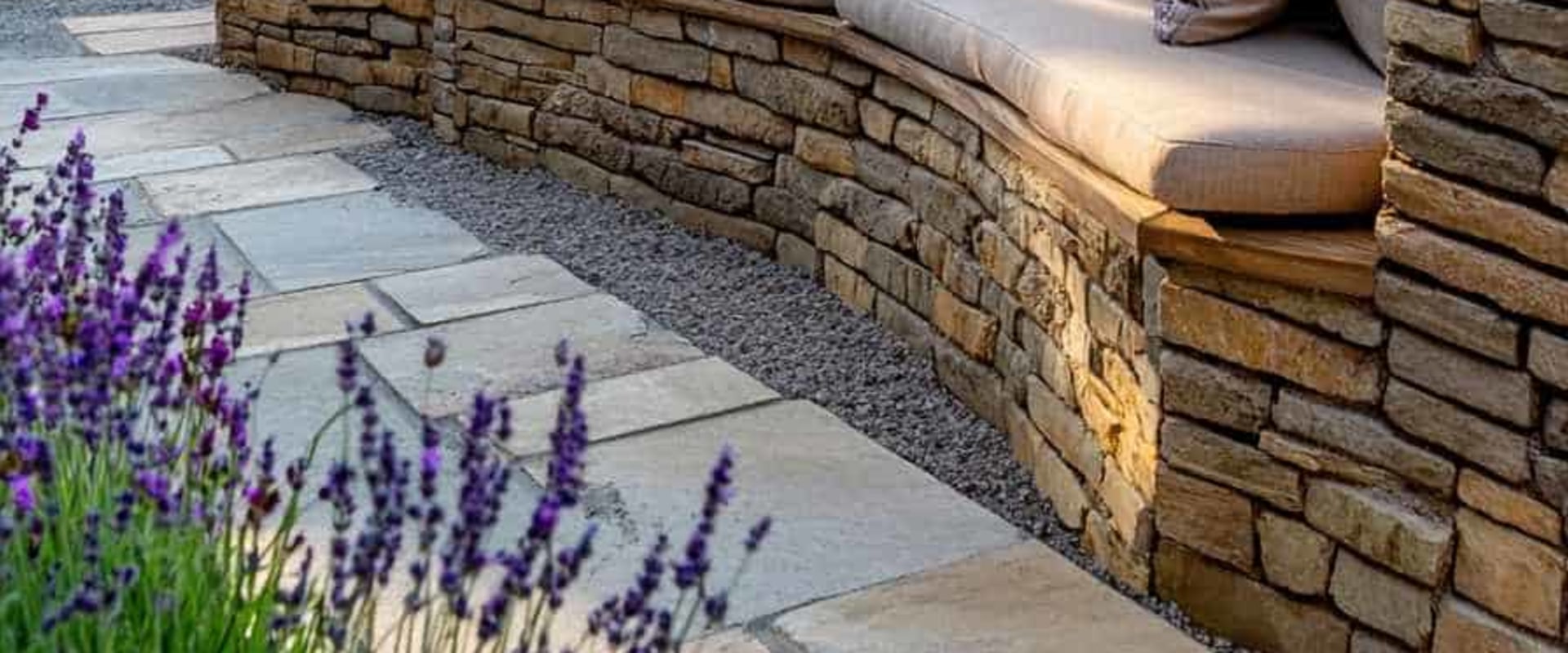
Incorporating seating areas into your garden design is not just about adding furniture; it’s about creating a sanctuary that enhances the overall experience of your outdoor space. A well-planned seating area serves as a focal point, inviting family and friends to gather, relax, and enjoy the beauty of nature. By thoughtfully integrating these spaces into your garden, you can transform an ordinary landscape into a vibrant social hub. The importance of seating areas in garden design extends beyond mere aesthetics. They provide essential benefits such as promoting relaxation and encouraging social interaction.
Imagine sipping your morning coffee surrounded by blooming flowers or hosting a barbecue with loved ones under the stars. These moments are made possible by strategically placed seating that encourages people to linger and connect with their surroundings. When considering outdoor seating ideas, think about the various styles and materials that can complement your garden’s theme. From rustic wooden benches to elegant wrought iron chairs, the options are endless. Additionally, incorporating elements like cushions, throws, and even shade structures can enhance comfort and usability, making your garden a year-round retreat. Ultimately, the integration of seating areas into your garden design is a crucial step in creating a harmonious outdoor environment.
It not only elevates the visual appeal but also enriches the experience of those who inhabit the space, making it a cherished part of their home.
Assessing Your Garden Space for Seating Areas
When it comes to garden design and planning, assessing your garden space is crucial for creating inviting seating areas. Start by evaluating the overall size and shape of your garden. This will help you determine how much space you can allocate for seating without overcrowding the area.Consider the following factors
when assessing your garden space:- Dimensions: Measure the length and width of your garden. A larger garden may allow for multiple seating areas, while a smaller space might benefit from a single, well-placed bench or chair.
- Shape: The layout of your garden can influence where seating areas should be placed.
For instance, a long, narrow garden may benefit from seating positioned at one end to create a focal point.
- Existing Features: Take note of any existing elements such as trees, flower beds, or pathways. These features can provide natural boundaries or enhance the aesthetic appeal of your seating area.
- Sunlight and Shade: Observe how sunlight moves across your garden throughout the day. Choose locations that offer a balance of sun and shade, ensuring comfort during different times of the day.
Consider using materials that complement your overall design theme, whether it’s rustic wooden benches or modern metal chairs.Finally, think about accessibility. Ensure that your seating areas are easily reachable from pathways and other parts of the garden. This not only enhances functionality but also encourages more frequent use of these spaces.By carefully assessing your garden space, you can create well-planned seating areas that enhance both the beauty and usability of your outdoor environment.
Choosing the Right Type of Seating for Your Garden
When it comes to garden design and planning, selecting the right type of seating is crucial for creating inviting and functional outdoor spaces. The choice of seating can significantly influence the overall aesthetic and usability of your garden.Types of Garden Seating
There are several types of seating options to consider:- Benches: Ideal for larger gardens, benches can accommodate multiple people and serve as a focal point.
They can be placed along pathways or near flower beds to encourage relaxation.
- Chairs: Individual chairs offer flexibility and can be easily moved around. Look for options that complement your garden's style, whether it's rustic, modern, or traditional.
- Hammocks: For a more laid-back vibe, hammocks provide a cozy spot to unwind. They can be hung between trees or on a sturdy frame, adding a playful element to your garden.
Outdoor Furniture Options
When selecting outdoor furniture, consider the following:- Dining Sets: Perfect for alfresco meals, dining sets come in various styles and sizes. Choose weather-resistant materials to ensure longevity.
- Loungers: For sunbathing or reading, loungers offer comfort and style.
Look for adjustable options that allow you to find the perfect angle.
Seating Materials
The materials used in your seating choices will affect both durability and aesthetics:- Wood: Classic and timeless, wooden furniture blends well with natural surroundings. Teak and cedar are popular choices due to their resistance to decay.
- Metal: Aluminum and wrought iron are durable options that can withstand various weather conditions. They often come in intricate designs that add elegance to your garden.
- Plastic: Lightweight and easy to maintain, plastic furniture is available in many colors and styles. It's an excellent choice for families with children.
By carefully considering the types of seating, outdoor furniture options, and materials, you can create a harmonious environment that complements your garden's overall design.
Designing Functional and Aesthetic Seating Areas
Incorporating seating areas into your garden design and planning can significantly enhance both functionality and aesthetics. Here are some essential tips to create inviting and practical seating spaces.- Consider the Layout: Start by assessing the flow of your garden. Position seating areas to take advantage of views, sunlight, and shade. For instance, a bench placed near a flower bed can provide a serene spot to enjoy blooming plants.
- Choose the Right Style: Your seating should complement the overall aesthetic garden design.
Whether you prefer rustic wooden benches, modern metal chairs, or cozy wicker sofas, ensure that the materials and colors harmonize with your garden's theme.
- Incorporate Surrounding Landscaping: Enhance your seating area with surrounding plants and features. Use low-maintenance shrubs or flowering plants to create a natural border. Consider adding decorative elements like trellises or arbors for added charm.
- Think About Comfort: Functional seating areas should prioritize comfort. Add cushions or throws to chairs and benches to encourage relaxation.
If space allows, consider including a small table for drinks or books.
- Plan for Privacy: To create an intimate atmosphere, think about incorporating privacy screens or taller plants around your seating area. This can help shield you from neighbors while still allowing you to enjoy your garden.
Incorporating Natural Elements into Your Seating Areas
Incorporating natural elements into your seating areas can significantly enhance the aesthetic appeal and functionality of your garden design. By thoughtfully integrating plants and flowers around your seating, you create a serene environment that invites relaxation and enjoyment.Choose the Right Plants
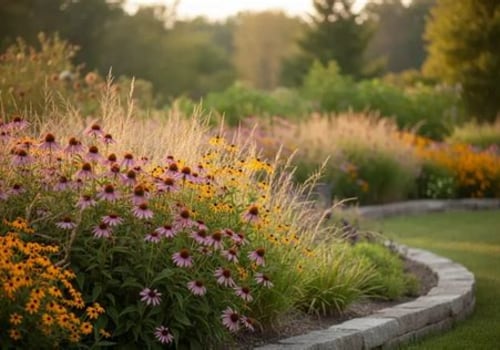
- Perennials such as lavender or coneflowers can provide color and fragrance throughout the seasons.
- Consider evergreens for year-round greenery, which can serve as a backdrop for your seating area.
- Incorporate ground cover plants like creeping thyme to soften hard surfaces and add texture.
Layering for Depth
To create a visually appealing space, think about layering your plants. Place taller plants at the back or sides of the seating area, with medium-height plants in the middle and low-growing varieties in front.
This not only adds depth but also ensures that all plants receive adequate sunlight.
Integrating Seating with Landscaping
Your seating should feel like a natural extension of the garden rather than an afterthought. Consider using materials that blend with the surrounding landscape, such as wooden benches or stone seats. Surround these areas with native plants that thrive in your local climate, reducing maintenance while enhancing biodiversity.
Creating Privacy and Comfort
- Use tall plants or trellises with climbing vines to create a sense of enclosure around your seating area.
- Add fragrant flowers nearby to engage the senses and make the space more inviting.
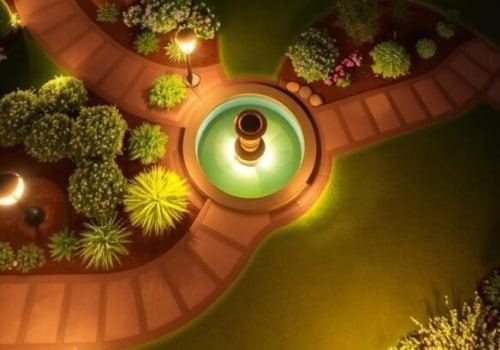
- Incorporate water features like small fountains or ponds to introduce soothing sounds that enhance relaxation.
Creating Privacy and Comfort in Your Garden Seating Areas
Creating a comfortable and private seating area in your garden can transform it into a personal retreat. To achieve this, consider the following strategies:- Use Natural Screens: Incorporating hedges, shrubs, or tall plants can create a natural barrier that enhances privacy.
Choose dense varieties that grow tall enough to shield your seating area from prying eyes.
- Install Garden Screens: Decorative screens made from wood, metal, or bamboo can add both style and seclusion. These can be placed strategically around your seating area to block views while allowing light and air to flow through.
- Strategic Placement: Position your seating areas away from busy pathways or the main view of your garden. Tucking them into corners or behind existing structures can create a sense of enclosure and intimacy.
- Incorporate Vertical Elements: Adding trellises with climbing plants can enhance privacy while also adding vertical interest to your garden design. Vines such as jasmine or clematis not only provide coverage but also infuse the area with delightful scents.
Here are some tips to ensure a cozy atmosphere:
- Select Comfortable Furniture: Invest in high-quality outdoor furniture that offers both style and comfort. Look for cushioned seating options that are weather-resistant and easy to maintain.
- Add Soft Textiles: Use outdoor cushions, throws, and rugs to create a warm and inviting space. These elements not only enhance comfort but also allow you to introduce color and texture into your garden design.
- Create Shade: Consider adding umbrellas, pergolas, or shade sails to protect your seating area from harsh sunlight. This will make it more enjoyable during hot summer days.
Lighting Solutions for Garden Seating Areas
When it comes to garden design and planning, incorporating effective lighting solutions can significantly enhance the usability and aesthetic appeal of your seating areas during the evening.Here are some creative ideas to illuminate your garden:
- Solar Lights: These eco-friendly options are perfect for garden seating areas. They charge during the day and automatically turn on at dusk, providing a soft glow without the need for wiring. Place them along pathways or around seating areas to create a welcoming atmosphere.
- Lanterns: Whether hanging from trees or placed on tables, lanterns add a charming touch to your garden. Choose from a variety of styles, such as rustic metal or colorful glass, to complement your garden's theme.
For added convenience, consider using battery-operated lanterns that can be easily moved.
- String Lights: These versatile lights can transform any garden space into a magical retreat. Drape them across pergolas, wrap them around trees, or hang them above seating areas to create a cozy ambiance. Opt for warm white lights for a classic look or colored bulbs for a festive feel.
- Spotlights: Use spotlights to highlight specific features in your garden, such as sculptures, water features, or beautiful plants. This not only enhances the visual interest but also creates depth and dimension in your outdoor space.
This flexibility can help set the mood for intimate gatherings or lively celebrations.Ultimately, the right outdoor lighting solutions will not only enhance the evening ambiance of your garden seating areas but also extend the enjoyment of your outdoor space long after the sun goes down.
Maintaining Your Garden Seating Areas
Maintaining your garden seating areas is essential for ensuring they remain inviting and functional throughout the seasons. Proper garden maintenance not only enhances the aesthetic appeal of your outdoor space but also prolongs the life of your furniture and fixtures.Cleaning Your Outdoor Furniture
Regular cleaning is crucial to prevent dirt and grime from accumulating on your seating areas. Here are some tips:- Wooden Furniture: Use a soft brush or cloth to remove dust and debris. For deeper cleaning, a mixture of mild soap and water can be used.
Rinse thoroughly and allow it to dry completely to prevent mold growth.
- Metal Furniture: Wipe down with a damp cloth and a gentle cleaner. Check for rust spots and treat them promptly with rust-inhibiting paint.
- Fabric Cushions: Remove covers if possible and wash according to the manufacturer's instructions. For non-removable covers, spot clean with a fabric-safe cleaner.
Protecting Against Weather Damage
Your seating areas are exposed to various weather conditions, which can lead to wear and tear. Here are some protective measures:- Use Covers: Invest in high-quality furniture covers that are weather-resistant.
This will shield your furniture from rain, snow, and UV rays.
- Store During Off-Season: If possible, store cushions and lightweight furniture indoors during harsh weather conditions or winter months.
- Apply Sealants: For wooden furniture, consider applying a sealant or protective finish annually to guard against moisture and sun damage.
Seasonal Upkeep
Each season brings its own set of maintenance tasks:- Spring: Inspect all seating areas for any winter damage. Clean thoroughly and apply protective treatments as needed.
- Summer: Regularly check for signs of wear due to sun exposure. Reapply sealants on wooden surfaces if necessary.
- Fall: Clear away leaves and debris that can trap moisture against furniture. Store cushions indoors before the first frost.
- Winter: Ensure that all furniture is covered or stored away to prevent damage from snow and ice.
FAQs About Incorporating Seating Areas into Garden Design
Incorporating seating areas into your garden design and planning can enhance the overall experience of your outdoor space.Here are some frequently asked questions that can help clarify common concerns:
- What types of seating are best for gardens?
When selecting seating for your garden, consider options like benches, chairs, or even hammocks. Materials such as wood, metal, and wicker can complement various garden styles. Choose weather-resistant materials to ensure durability. - How do I choose the right location for seating?
Look for areas that offer a view of your garden's best features, such as flower beds or water features. Ensure the spot receives adequate sunlight or shade depending on your preference.Accessibility is also key; make sure paths to seating areas are clear and inviting.
- Can I create a cozy atmosphere in my garden?
Absolutely! Incorporate elements like cushions, throws, and outdoor rugs to make seating areas more inviting. Adding lighting, such as string lights or lanterns, can also create a warm ambiance for evening gatherings. - What should I consider for seating arrangements?
Think about how you plan to use the space. For social gatherings, arrange seating in a circle or semi-circle to encourage conversation. If you prefer solitude, consider a secluded nook with a single chair or bench. - How can I integrate seating with landscaping?
Use plants and flowers to frame your seating area, creating a natural boundary.Incorporating hardscaping elements like stone pathways or patios can also enhance the visual appeal while providing a stable base for furniture.