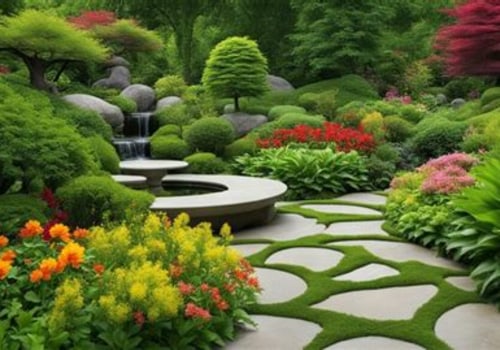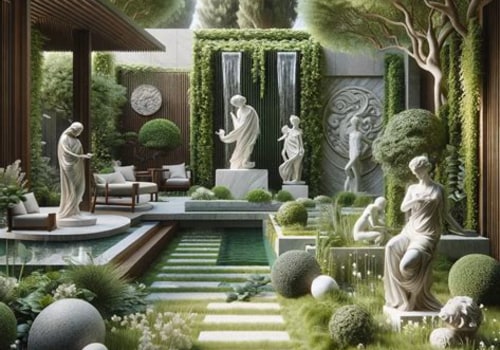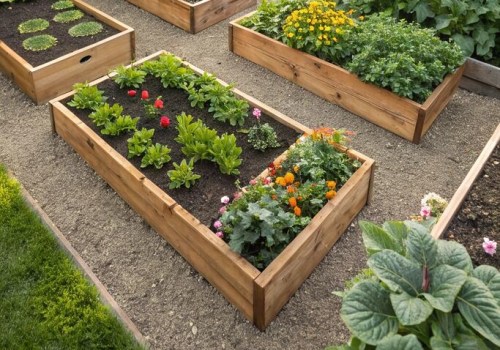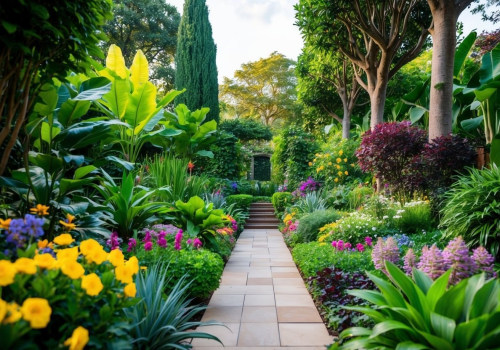
When embarking on the journey of garden design and planning, it is essential to grasp the foundational concepts that will guide your efforts. A well-thought-out garden not only enhances the aesthetic appeal of your outdoor space but also creates a harmonious environment that supports plant health and biodiversity. Understanding the various garden types—from vibrant sun-loving gardens to serene shade gardens—allows you to tailor your design to the specific conditions of your landscape.One of the first steps in planning a garden is assessing the unique characteristics of your site. Factors such as sunlight exposure, soil quality, and climate play a crucial role in determining which plants will thrive.
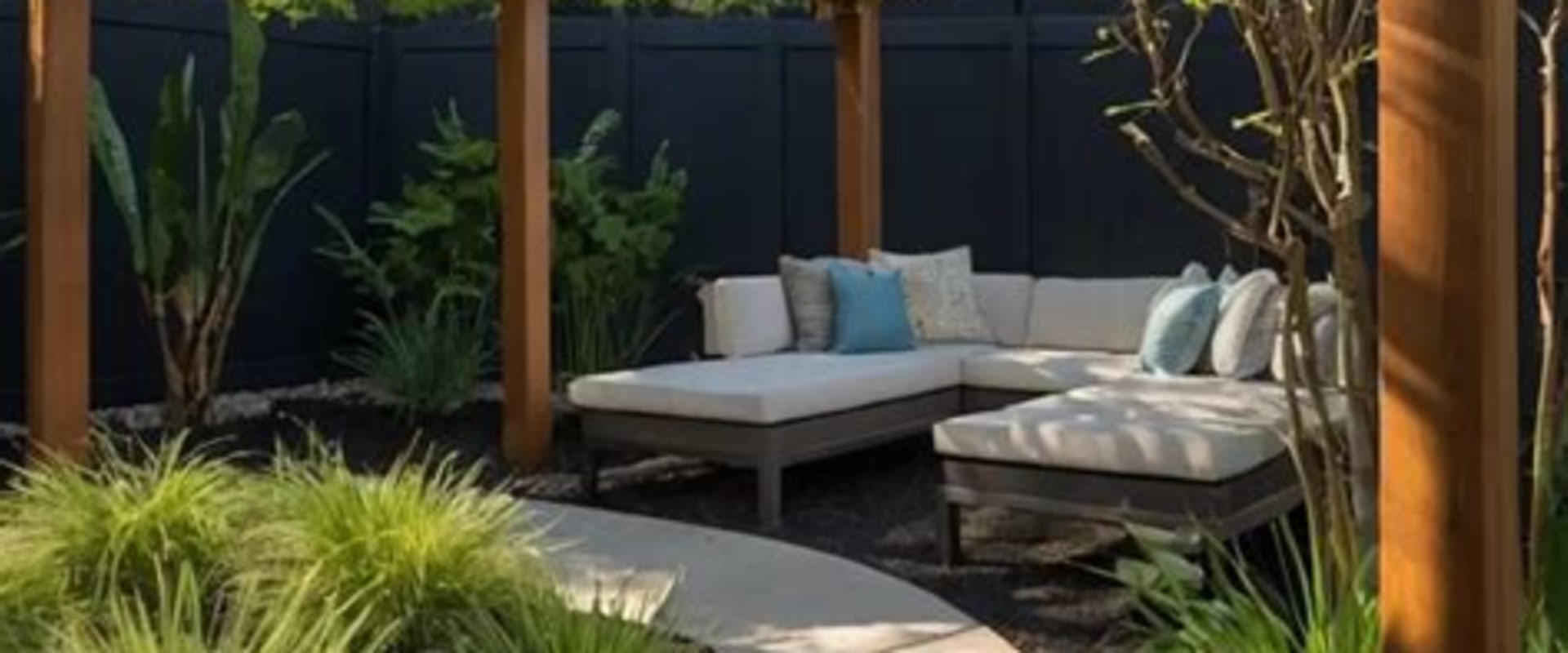
For instance, a garden that receives full sun for most of the day will require different plant selections and layouts compared to one that is predominantly shaded. This understanding not only influences plant choice but also impacts the overall garden layout, ensuring that each element works in concert with the others.Moreover, effective garden design involves considering how different areas of your garden can serve various purposes. Whether you envision a tranquil retreat filled with shade-loving ferns or a lively space bursting with sunflowers, thoughtful planning can help you achieve a balanced and functional garden. By integrating pathways, seating areas, and focal points, you can create an inviting atmosphere that encourages exploration and enjoyment of your outdoor sanctuary.
Assessing Your Garden's Sunlight Conditions
Understanding the sunlight conditions in your garden is essential for effective garden design and planning.Different plants have varying light requirements, and assessing these conditions will help you choose the right plants for your space.To begin, observe your garden throughout the day. Take note of how much sunlight each area receives:
- Full Sun: Areas that receive at least 6-8 hours of direct sunlight daily. Ideal for sun-loving plants.
- Partial Sun/Shade: Areas that get 3-6 hours of sunlight. Suitable for a mix of sun and shade-tolerant plants.
- Full Shade: Areas that receive less than 3 hours of direct sunlight.
Best for shade-loving plants.
For example:
- Sun-Loving Plants: Consider incorporating vibrant flowers like marigolds, zinnias, and herbs like basil.
- Shade-Loving Plants: Opt for ferns, hostas, and shade-tolerant perennials to thrive in low-light areas.
Choosing the Right Plants for Shade and Sun
When it comes to garden design and planning, selecting the right plants is crucial for creating a thriving landscape that suits both shade and sun conditions. Understanding the specific needs of each plant type will help you achieve a harmonious balance in your garden.Shade Plants
Shade gardens can be lush and vibrant with the right selection of plants. Here are some popular options:- Hostas: Known for their large, attractive leaves, hostas thrive in low-light conditions and come in various colors and sizes.
- Ferns: These ancient plants add texture and greenery to shaded areas. Varieties like the Japanese Painted Fern are particularly striking.
- Astilbe: With feathery plumes of flowers, astilbe brings color to shady spots and prefers moist soil.
- Heuchera: Also known as coral bells, these plants offer stunning foliage in various hues, making them perfect for adding visual interest.
Sun-Loving Plants
For areas that bask in sunlight, consider these resilient options:- Lavender: This aromatic herb not only thrives in full sun but also attracts pollinators, making it a great addition to any garden.
- Echinacea (Coneflower): Known for its daisy-like blooms, echinacea is drought-tolerant and adds vibrant color to sunny borders.
- Daylilies: These hardy perennials are easy to grow and come in a variety of colors, making them a favorite among gardeners.
- Marigolds: Bright and cheerful, marigolds are excellent for sunny spots and can help deter pests in your garden.
Additionally, grouping plants with similar needs can simplify maintenance and enhance the overall aesthetic of your garden. By thoughtfully choosing both shade and sun-loving plants, you can create a diverse and beautiful landscape that flourishes throughout the seasons.
Soil Preparation and Fertility Considerations
When it comes to garden design and planning, the foundation of a thriving garden lies in the quality of its soil. Proper soil preparation is essential for ensuring that your plants, whether they thrive in shade or sun, have the nutrients they need to flourish.Understanding Soil Types
- Sandy Soil: Drains quickly but may lack nutrients. Ideal for drought-tolerant plants.
- Clay Soil: Retains moisture and is rich in nutrients but can become compacted.
Great for moisture-loving plants.
- Silty Soil: Fertile and retains moisture well, making it suitable for a variety of plants.
- Loamy Soil: A balanced mix of sand, silt, and clay, considered the best for most garden plants.
- Test Your Soil: Conduct a soil test to determine pH levels and nutrient content. This will guide your amendments.
- Add Organic Matter: Incorporate compost or well-rotted manure to enhance soil structure and fertility.
- Aerate the Soil: Use a garden fork or aerator to break up compacted soil, allowing air and water to penetrate more easily.
- Mulch Regularly: Apply organic mulch to retain moisture, suppress weeds, and gradually improve soil as it decomposes.
Watering Strategies for Different Garden Types
When it comes to garden design and planning, understanding the specific watering needs of your plants is crucial, especially when differentiating between shade gardens and sun gardens.Each type of garden has unique requirements that can significantly impact plant health and growth.
Watering Techniques for Shade Gardens
Shade gardens often retain moisture better than sun gardens due to reduced evaporation rates. Here are some effective watering strategies:- Deep Watering: Water deeply but less frequently to encourage deep root growth. This method helps plants access moisture from deeper soil layers.
- Soaker Hoses: Utilize soaker hoses to deliver water directly to the soil, minimizing water loss through evaporation and ensuring that moisture reaches the root zone.
- Mulching: Apply a layer of organic mulch around plants to retain soil moisture and regulate temperature, reducing the need for frequent watering.
Watering Techniques for Sun Gardens
In contrast, sun gardens require more attention due to higher evaporation rates. Consider these strategies:- Frequent, Shallow Watering: Water more frequently but in smaller amounts to keep the topsoil moist, which is essential for sun-loving plants.
- Irrigation Systems: Implement drip irrigation or sprinkler systems that can be set on timers to ensure consistent watering, especially during hot weather.
- Watering Early or Late: Water during the early morning or late evening to minimize evaporation and allow plants to absorb moisture effectively.
Remember that regular monitoring of soil moisture levels is key to adjusting your watering practices as needed.
Design Elements: Layout and Aesthetics
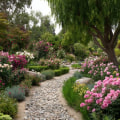
When it comes to garden design and planning, the layout and aesthetics of your garden play a crucial role in creating a harmonious environment that caters to both shade and sun-loving plants. A well-thought-out garden layout design not only enhances the visual appeal but also ensures that each plant thrives in its preferred conditions.One effective approach is to create distinct zones within your garden. For instance, you can designate sunny areas for vibrant, sun-loving flowers like zinnias and lavender, while reserving shadier spots for lush ferns and hostas. This zoning can be achieved through the use of garden paths, which guide visitors through different sections while providing a clear structure to the overall design.- Curved Paths: Incorporating curved paths can soften the look of your garden and create a sense of flow, leading the eye from one area to another.
- Material Choices: Use natural materials like stone or wood for paths to blend seamlessly with the surrounding landscape.
- Width Considerations: Ensure paths are wide enough for comfortable walking, especially if you plan to include seating areas along the way.
These can be striking sculptures, water features, or even a unique tree that draws attention and adds interest. Focal points serve as visual anchors that can help balance the layout, making it easier for visitors to navigate through both sunny and shaded areas.Finally, pay attention to color schemes and plant heights. Grouping plants with complementary colors can enhance the aesthetic appeal, while varying heights creates depth and dimension. By thoughtfully combining these elements, you can achieve a stunning garden that not only looks beautiful but also functions effectively for both shade and sun-loving plants.
Maintenance Tips for Shade and Sun Gardens
Maintaining a garden that thrives in either shade or sun requires specific strategies tailored to the unique needs of the plants in each environment.Here are some essential maintenance tips to ensure your shade and sun-loving gardens flourish throughout the seasons.
Caring for Shade Gardens
- Watering: Shade gardens often retain moisture better than sunny areas, but it's crucial to monitor soil moisture. Water deeply but less frequently to encourage deep root growth.
- Fertilization: Use a balanced, slow-release fertilizer in early spring. Shade plants may require less fertilizer than sun-loving varieties, so follow the specific needs of your plants.
- Pruning: Regularly prune dead or diseased foliage to improve air circulation and reduce the risk of fungal diseases. This is especially important in humid environments.
- Mulching: Apply a layer of organic mulch to retain moisture and suppress weeds.
This also adds nutrients back into the soil as it decomposes.
Caring for Sun Gardens
- Watering: Sun-loving plants typically require more frequent watering, especially during hot summer months. Aim for early morning watering to minimize evaporation.
- Soil Health: Ensure good drainage by amending soil with organic matter. This helps retain moisture while preventing root rot.
- Pest Management: Keep an eye out for pests that thrive in sunny conditions. Implement integrated pest management (IPM) strategies, such as introducing beneficial insects or using organic pesticides when necessary.
- Seasonal Care: In fall, cut back perennials and remove debris to prevent overwintering pests.
In spring, divide overcrowded plants to promote healthy growth.
Common Mistakes to Avoid in Garden Design
When it comes to garden design and planning, avoiding common mistakes can significantly enhance the success of your garden, especially when considering sunlight requirements. Here are some frequent errors to watch out for:- Ignoring Sunlight Patterns: One of the most critical aspects of garden design is understanding how sunlight moves across your space. Failing to observe the sun's path can lead to poor plant placement.
For instance, placing shade-loving plants in direct sunlight can scorch their leaves, while sun-loving plants may languish in the shade.
- Overcrowding Plants: Many gardeners underestimate the space needed for plants to thrive. Overcrowding can lead to competition for light, water, and nutrients, ultimately stunting growth. Always check the mature size of plants and plan accordingly.
- Neglecting Soil Quality: The foundation of any successful garden is healthy soil. Many gardeners focus solely on plant selection without considering soil amendments.
Poor soil can hinder plant growth, regardless of sunlight exposure.
- Choosing Incompatible Plants: Mixing sun and shade-loving plants without considering their needs can lead to a disorganized and unhealthy garden. Ensure that your plant selections complement each other based on their light requirements.
- Forgetting Seasonal Changes: Sunlight availability changes with the seasons. A spot that receives full sun in summer may be shaded by trees in winter. Plan your garden layout with seasonal variations in mind to ensure all plants receive adequate light throughout the year.
Take the time to assess your garden's unique conditions and plan accordingly to avoid these pitfalls.
FAQs About Designing Shade and Sun-Loving Gardens
Designing a garden that thrives in either shade or sun can raise several questions. Here are some frequently asked questions that can help clarify the process of garden design and planning for both types of environments.What plants are best for shade gardens?
When planning a shade garden, consider plants that naturally thrive in low-light conditions. Some popular choices include:- Hostas - Known for their lush foliage and variety of colors.
- Ferns - These add texture and are excellent for creating a woodland feel.
- Astilbe - Produces beautiful feathery flowers and prefers moist soil.
- Heuchera - Offers vibrant leaf colors and is adaptable to various conditions.
How do I choose plants for a sun-loving garden?
For sun-loving gardens, select plants that can withstand direct sunlight and heat. Consider these options:- Lavender - A fragrant herb that attracts pollinators and thrives in full sun.
- Succulents - Perfect for hot, dry areas, requiring minimal water.
- Daylilies - Hardy perennials that bloom profusely in sunny spots.
- Rudbeckia - Also known as black-eyed Susans, they are vibrant and drought-resistant.
What are the key differences between designing shade and sun gardens?
The primary difference lies in the selection of plants and the overall layout:- Light Requirements: Shade gardens require plants that can tolerate low light, while sun gardens need those that thrive in bright conditions.
- Soil Moisture: Shade areas often retain moisture better than sunny spots, which may require more frequent watering.
- Aesthetic Goals: Shade gardens can create a cool, tranquil atmosphere, while sun gardens often aim for vibrant colors and bold contrasts.