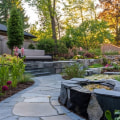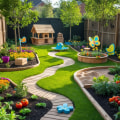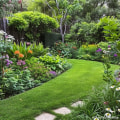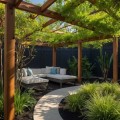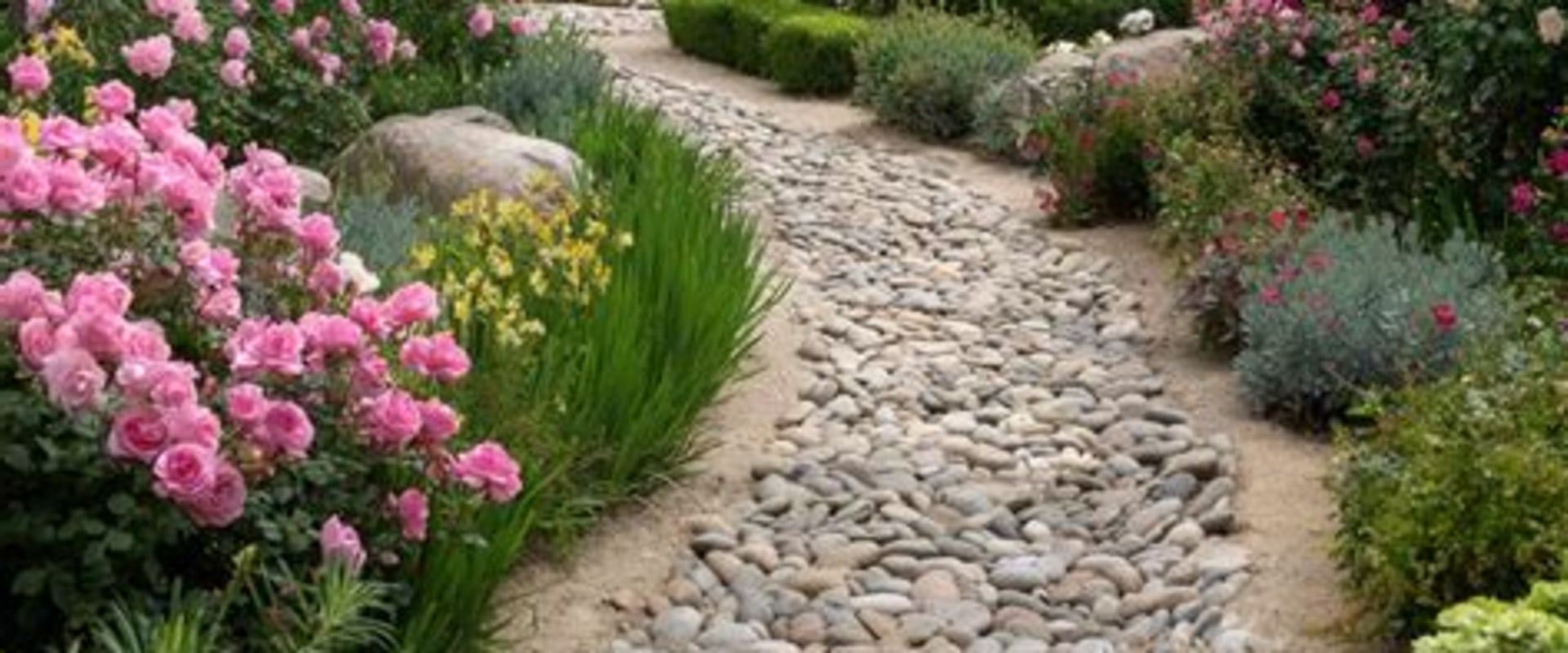
When it comes to garden design and planning, one of the most often overlooked elements is texture. Texture plays a crucial role in creating a visually appealing and engaging garden space. It goes beyond mere aesthetics; it influences how we perceive and interact with our surroundings. By incorporating various textures, you can transform a flat, uninspiring landscape into a dynamic environment that invites exploration and enjoyment. The importance of texture in garden design cannot be overstated.
Different materials, plants, and surfaces can evoke distinct feelings and moods. For instance, the rough bark of a tree contrasts beautifully with the soft petals of a flower, creating a sensory experience that captivates the eye and engages the touch. This interplay of textures not only enhances the visual appeal but also adds depth and dimension to your garden, making it more inviting. Moreover, textured gardens offer numerous benefits beyond their aesthetic value. They can create microclimates that support diverse plant life, improve soil health through varied root structures, and even provide habitats for beneficial wildlife.
By thoughtfully integrating different textures into your garden design, you can cultivate a space that is not only beautiful but also ecologically rich and sustainable.
Types of Textures to Consider in Your Garden
Incorporating different textures into your garden design can create a visually appealing and dynamic landscape. Understanding the various types of textures available is essential for effective garden design and planning. Here are some key categories to consider:- Soft Textures: These include plants with delicate leaves, flowers, and grasses that create a gentle, inviting atmosphere. Examples are:
- Ornamental Grasses: Their feathery plumes sway gracefully in the wind.
- Foliage Plants: Varieties like ferns and hostas offer lush, soft greenery.
- Flowering Plants: Soft blooms such as daisies and peonies add color and softness.
- Hard Textures: These elements provide structure and contrast to soft textures.
Hard materials can include:
- Stone Pathways: Natural stone or pavers create a sturdy foundation.
- Wooden Decks or Fences: Weathered wood adds rustic charm.
- Metal Features: Sculptures or trellises introduce a modern edge.
- Natural Textures: Incorporating elements that mimic nature can enhance the organic feel of your garden. Consider:
- Bark Mulch: Provides a natural ground cover that retains moisture.
- Water Features: The sound of flowing water adds a soothing texture.
- Naturally Weathered Stones: These can be used in rock gardens or as decorative accents.
How to Combine Textures for Visual Interest
Incorporating different textures into your garden design and planning can significantly enhance the visual appeal and depth of your outdoor space. By combining various materials, plants, and surfaces, you can create a dynamic environment that invites exploration and engagement.Layering Textures
- Plants: Start with a mix of foliage types.
Combine broad-leaved plants with fine-textured grasses to create contrast. For instance, pairing the large leaves of a hosta with the delicate blades of ornamental grass can add depth.
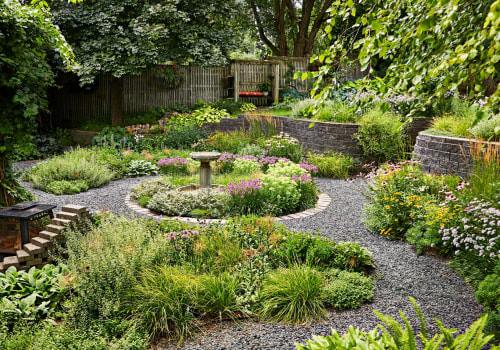
- Hardscaping: Use different materials for pathways and borders. A combination of smooth pebbles, rough stones, and wooden elements can create a tactile experience. Consider using flagstone for walkways alongside gravel or mulch for garden beds.
- Vertical Elements: Incorporate trellises or fences made from various materials like wood, metal, or even woven willow.
These structures can serve as backdrops that enhance the textures of surrounding plants.
Contrasting Textures
- Color and Texture: Use contrasting colors to highlight different textures. For example, vibrant flowers against dark green foliage can draw attention to both the color and texture of the plants.
- Seasonal Changes: Consider how textures change with the seasons. Evergreens provide structure in winter, while deciduous plants offer seasonal variety. Incorporating both can maintain interest year-round.
Walk through your space and visualize how different elements will look together. By thoughtfully layering and contrasting textures, you can create a garden that is not only beautiful but also rich in sensory experiences.
Incorporating Textured Plants into Your Garden Design
Incorporating textured plants into your garden design and planning can significantly enhance the visual appeal and depth of your outdoor space. By selecting plants with varying textures, you can create a dynamic landscape that engages the senses and invites exploration.Choosing Textured Plants
- Foliage Variety: Start by considering plants with unique leaf shapes and sizes. For instance, the broad, flat leaves of Hostas contrast beautifully with the fine, feathery foliage of Astilbe.
- Succulents: Incorporate succulents like Echeveria or Aloe, which offer a smooth, waxy texture that can complement rougher plants.
- Grasses: Ornamental grasses such as Pennisetum or Miscanthus add movement and a soft texture that can balance out more rigid plants.
Creating Texture Combinations
When planning your garden, think about how different textures can work together.
For example, pairing the spiky leaves of Yucca with the rounded forms of Boxwood creates an interesting contrast. Additionally, layering plants with varying heights can enhance the textural experience; taller plants in the back and shorter ones in the front allow each texture to be appreciated.
Using Foliage for Texture
The foliage is one of the most effective ways to introduce texture into your garden. Consider using plants like Japanese Maple, which has delicate, lacy leaves, alongside the bold, coarse leaves of Canna Lily. This combination not only adds visual interest but also creates a tactile experience as visitors move through your garden.In conclusion, by thoughtfully selecting and combining textured plants in your garden design, you can create a rich tapestry of colors and forms that captivates and delights.
Remember to consider both the visual and tactile qualities of your plant choices to achieve a harmonious and engaging landscape.
Using Hardscaping Elements to Add Texture
Incorporating hardscaping elements into your garden design is a powerful way to introduce texture and visual interest. By using materials such as stones, bricks, and wood, you can create a dynamic landscape that enhances the overall aesthetic of your outdoor space.Stone Textures
- Natural Stone: Utilizing natural stones like slate, granite, or limestone can add an organic feel to your garden. These materials come in various shapes and sizes, allowing for creative arrangements that can serve as focal points or subtle accents.
- Flagstone Pathways: A flagstone pathway not only provides a functional route through your garden but also introduces a rugged texture that contrasts beautifully with soft plantings. The irregular shapes of the stones create visual intrigue and encourage exploration.
Brick Elements
- Brick Patios: A brick patio can serve as a gathering space while adding a classic texture to your garden.
The warm tones of the bricks can complement various plant colors and styles, making it a versatile choice.
- Retaining Walls: Using bricks for retaining walls not only provides structural support but also adds depth and dimension to your landscape. The textured surface of the bricks can be enhanced with climbing plants, further enriching the visual experience.
Wood Features
- Wooden Decks: Incorporating wooden decks or platforms can create a cozy area for relaxation while introducing a natural texture that harmonizes with surrounding greenery.
- Trellises and Arbors: Wooden trellises and arbors can serve as vertical elements that add height and interest to your garden. They provide opportunities for climbing plants to flourish, enhancing both texture and color.
Creating a Cohesive Design with Textures
Incorporating different textures into your garden design is essential for creating a visually appealing and cohesive landscape. To achieve a harmonious look, consider the following strategies:- Choose a Focal Point: Start by selecting a focal point that will anchor your garden.
This could be a striking sculpture, a unique tree, or an ornamental feature. The textures of this focal point should set the tone for the rest of your design.
- Layering Textures: Use layering to create depth in your garden. Combine fine-textured plants, such as ornamental grasses, with bold-textured elements like large-leaved hostas or stone pathways. This contrast not only adds interest but also helps unify the overall design.
- Color Coordination: While focusing on texture, don’t forget about color.
Choose plants and materials that complement each other in color while varying in texture. For instance, pairing soft, feathery ferns with rough, rugged rocks can create a stunning visual balance.
- Consistent Materials: When selecting hardscape materials like stones, bricks, or wood, aim for consistency in texture. Using similar materials throughout your garden can help tie different areas together and create a seamless flow.
- Seasonal Variation: Consider how textures will change with the seasons. Incorporate evergreen plants for year-round structure and mix in deciduous varieties that offer seasonal interest.
This approach ensures that your garden remains cohesive and engaging throughout the year.
Common Mistakes to Avoid When Incorporating Textures
When it comes to garden design and planning, incorporating different textures can elevate the aesthetic appeal of your outdoor space. However, there are several common mistakes that gardeners often make, which can lead to a disjointed or overwhelming design.- Overloading on Textures: One of the most frequent pitfalls is using too many textures in a single area. While variety can be visually stimulating, an excess can create chaos.
Aim for a balanced mix by selecting a few key textures that complement each other rather than competing for attention.
- Ignoring Scale: The scale of your textures should match the size of your garden. Large, bold textures can dominate small spaces, while tiny details may get lost in expansive areas. Always consider the proportions of your garden when choosing materials and plants.
- Neglecting Color Harmony: Textures should not only be visually appealing but also harmonize with the color palette of your garden. A mismatch can detract from the overall design.
Use a cohesive color scheme to ensure that different textures work together seamlessly.
- Forgetting Seasonal Changes: Some textures may look stunning in one season but fall flat in another. When planning your garden, consider how different elements will appear throughout the year. Incorporate evergreen plants or materials that maintain their appeal across seasons.
- Lack of Focal Points: Without clear focal points, a garden can feel aimless. Ensure that your textured elements lead the eye to specific areas or features within your garden.
This not only enhances visual interest but also provides structure to your design.
FAQs About Texture in Garden Design
Incorporating different textures into your garden design can elevate its aesthetic appeal and create a more engaging environment. Here are some frequently asked questions about texture in garden design:- What are the best ways to add texture to my garden?
Consider using a variety of plants with different leaf shapes, sizes, and colors. Incorporate materials like stone, wood, and metal in pathways, borders, and furniture to enhance tactile experiences. - How can I use color to complement texture?
Colors can enhance the perception of texture.For instance, dark foliage can make lighter textures stand out, while vibrant flowers can add visual interest against a backdrop of lush greenery.
- Are there specific plants that provide unique textures?
Yes! Plants like fuzzy lamb's ear, spiky agave, and feathery ferns offer distinct textures that can contrast beautifully with smoother plants. - How do I balance different textures in my garden?
A good rule of thumb is to use a mix of three to five textures. This creates harmony without overwhelming the senses. Group similar textures together for a cohesive look. - Can I use hardscaping to add texture?
Absolutely! Incorporating materials such as rough stone, smooth concrete, or woven bamboo in your hardscaping elements can significantly enhance the overall texture of your garden.
Conclusion: Embracing Texture for a Beautiful Garden Design
Incorporating different textures into your garden design and planning is not just about aesthetics; it’s about creating a sensory experience that engages all the senses.Throughout this article, we’ve explored various ways to achieve a harmonious blend of textures that can transform your garden into a vibrant and inviting space.
Key Takeaways:
- Layering textures is essential. By combining smooth leaves with rough bark or soft petals with spiky foliage, you create visual interest and depth.
- Consider the seasonal changes. Different plants offer unique textures at various times of the year, ensuring your garden remains dynamic and engaging.
- Incorporate hardscaping elements such as stones, wood, and metal to contrast with the softness of plants. This balance enhances the overall design.
- Don’t forget about color.
Textures can be accentuated by color contrasts, making certain elements pop and drawing attention to specific areas of your garden.