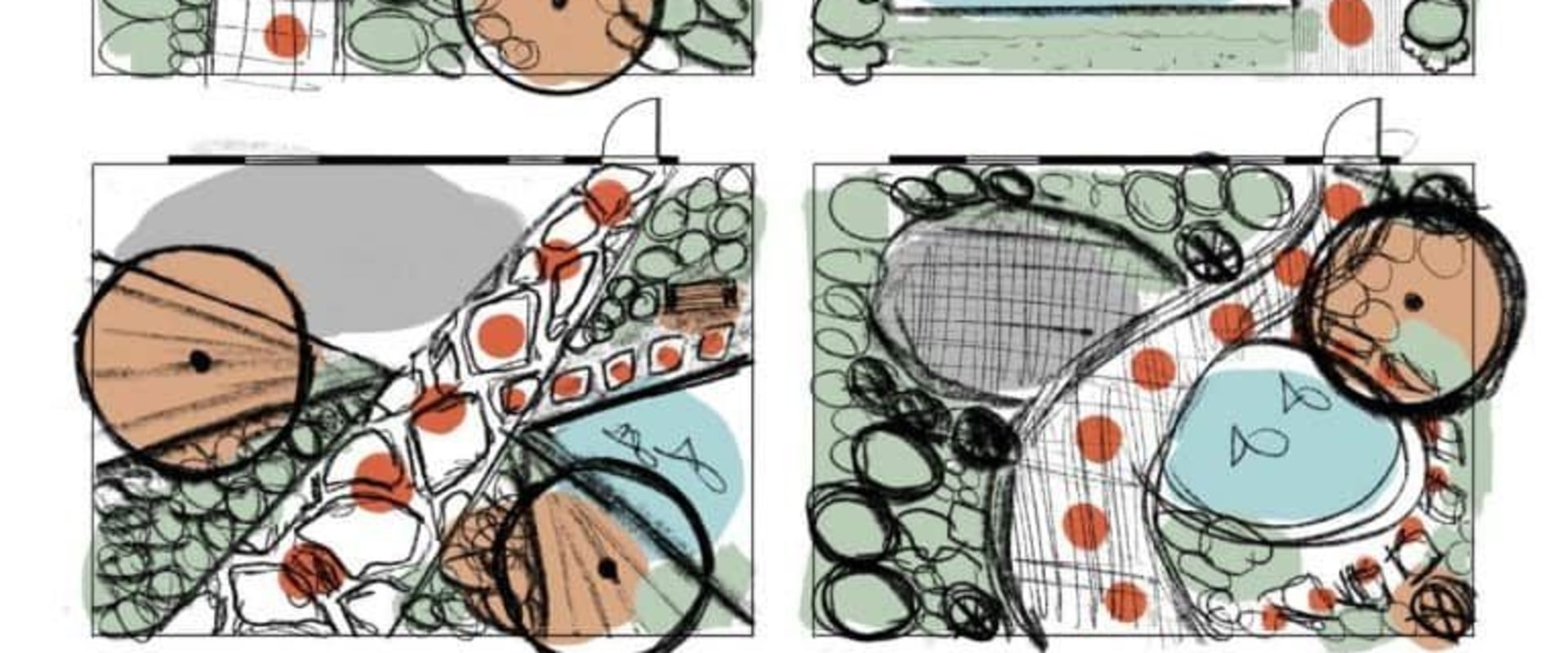
When embarking on a garden design and planning project, understanding the importance of budgeting cannot be overstated. A well-structured budget serves as the backbone of your garden project, guiding your decisions and ensuring that you stay on track financially. Without a clear budget, it’s easy to get carried away with ideas and desires, leading to overspending and potential project delays. By establishing a budget early on, you can prioritize your goals and allocate resources effectively, making informed choices that align with your vision. Moreover, a comprehensive garden design budget allows you to anticipate costs associated with materials, labor, and maintenance.
This foresight is crucial in preventing unexpected expenses that could derail your project. For instance, knowing how much you can afford for plants, soil amendments, or hardscaping elements will help you make strategic decisions that enhance the overall aesthetic without compromising your financial stability. Additionally, budgeting encourages you to explore various options and alternatives that may fit within your financial constraints while still achieving a beautiful garden. In essence, effective planning garden costs not only safeguards your investment but also enhances the overall experience of creating your outdoor space. It empowers you to think critically about what elements are essential versus those that are merely desirable.
By taking the time to create a detailed budget, you set the stage for a successful garden design project that reflects both your personal style and financial reality.
Assessing Your Garden Design Needs
Creating a successful garden design begins with a thorough assessment of your garden needs. This process involves evaluating your available space, understanding your personal preferences, and identifying the features you desire in your garden.1.Evaluate Your Space
- Measure Your Garden Area: Start by measuring the dimensions of your garden. Knowing the size will help you determine what can realistically fit within the space.
- Consider Sunlight and Shade: Observe how sunlight moves across your garden throughout the day. Different plants have varying light requirements, so understanding these patterns is crucial for successful planting.
- Assess Soil Quality: Conduct a soil test to evaluate pH levels and nutrient content.
This will inform you about necessary amendments to support healthy plant growth.
2.Identify Desired Features
- List Must-Have Elements: Think about what features are essential for your garden. This could include pathways, seating areas, water features, or specific types of plants.
- Incorporate Functional Spaces: Consider how you plan to use the garden. If you enjoy entertaining, you might want to include a patio or outdoor dining area.
- Add Aesthetic Touches: Visual appeal is important in garden design. Think about incorporating decorative elements like sculptures, trellises, or unique plant arrangements.
3.Reflect on Personal Preferences
- Style and Theme: Determine what style resonates with you—be it modern, rustic, or tropical.
This will guide your plant selection and layout.
- Maintenance Level: Consider how much time you can dedicate to garden upkeep. Some designs require more maintenance than others; choose one that fits your lifestyle.
Setting a Realistic Budget for Your Garden Project
Creating a budget for your garden design project is essential to ensure that you can achieve your vision without overspending. To start, assess your financial situation and determine how much you can realistically allocate to your garden.This will help you set a realistic budget that aligns with your overall financial goals.Next, consider the scope of your garden design project. Are you planning a complete overhaul of your outdoor space, or are you focusing on smaller enhancements? Understanding the scale of your project will help you estimate costs more accurately. Here are some key factors to consider:
- Materials: Research the costs of plants, soil, mulch, and hardscaping materials like stones or pavers.
- Labor: Decide if you will hire professionals or tackle the project yourself. If hiring, get multiple quotes to compare.
- Design Fees: If you're working with a landscape designer, factor in their fees as part of your budget.
- Maintenance Costs: Consider ongoing expenses such as watering, fertilizing, and pest control.
This will not only help you stay organized but also allow you to identify areas where you can cut back if necessary.Finally, it’s wise to include a contingency fund—typically around 10-20% of your total budget—to cover unexpected expenses that may arise during the project. By planning ahead and being realistic about your garden project costs, you can create a beautiful outdoor space that fits within your financial means.
Breaking Down Garden Design Costs
Creating a budget for your garden design project requires a thorough understanding of the various costs involved. By breaking down these expenses, you can make informed decisions that align with your vision and financial capabilities.1.Materials
The choice of materials significantly impacts your overall budget. Here are some common materials and their estimated costs:- Soil and Mulch: Quality soil and mulch can range from $30 to $100 per cubic yard, depending on the type and quality.
- Plants: The cost of plants varies widely; annuals may cost $3 to $10 each, while perennials can range from $10 to $50 or more, depending on size and rarity.
- Paving and Hardscaping: Materials like stone, brick, or concrete for pathways can cost between $5 to $20 per square foot.
2.Labor Costs
If you plan to hire professionals for your garden design, labor costs will be a significant part of your budget.Here’s what to consider:
- Landscape Designers: Hiring a landscape designer can cost anywhere from $50 to $150 per hour, depending on their experience and location.
- Installation Services: Professional installation services may charge between $40 to $100 per hour for labor.
3.Additional Expenses
Don’t forget to account for additional expenses that may arise during your garden design project:- Permits: Depending on your local regulations, you may need permits for certain landscaping projects, which can range from $50 to several hundred dollars.
- Irrigation Systems: Installing an irrigation system can add an additional $1,500 to $3,000 to your budget.
Prioritizing Your Garden Features and Expenses
Creating a budget for your garden design project requires careful consideration of which features are most important to you. By prioritizing your garden elements, you can allocate your funds more effectively and ensure that your vision comes to life without overspending.Identify Essential vs. Non-Essential Features
- Essential features are those that fulfill a specific need or function in your garden. These might include:
- Soil preparation and amendments
- Irrigation systems
- Hardscaping elements like paths and patios
- Plant selection that suits your climate and soil type
- Non-essential features, while desirable, can often be postponed or eliminated if budget constraints arise.
Examples include:
- Decorative garden art
- Expensive lighting fixtures
- Luxury outdoor furniture
Assessing Costs for Garden Elements
Once you have identified which features are essential, it’s time to assess the costs associated with each element. Create a list of all the components you wish to include in your garden design:
- Plants: Research the costs of various plants, considering both initial purchase prices and long-term maintenance.
- Materials: Calculate the costs for hardscaping materials, soil, mulch, and any other necessary supplies.
- Labor: Determine whether you will hire professionals or do the work yourself, as this will significantly impact your budget.
- Permits: Check if any local regulations require permits for certain installations, which can add to your overall expenses.
Finding Cost-Effective Solutions for Garden Design
Creating a beautiful garden doesn’t have to break the bank. By exploring cost-effective garden design solutions, you can achieve your desired aesthetic while staying within budget.Here are some practical tips to help you save money on your garden design project:
- Plan Before You Plant: Take the time to sketch out your garden layout. This will help you visualize the space and avoid unnecessary purchases. Consider using free online tools or apps for garden planning.
- Choose Native Plants: Native plants are often more resilient and require less maintenance, making them a budget-friendly choice. They adapt well to local conditions and can thrive without excessive watering or fertilization.
- DIY Projects: Embrace your creative side by incorporating DIY elements into your garden design.
From building raised beds to creating decorative planters, there are countless projects that can enhance your garden without significant costs.
- Shop Smart: Look for sales at local nurseries, or consider purchasing plants during off-peak seasons. Online marketplaces and community plant swaps can also be great resources for finding affordable options.
- Repurpose Materials: Before buying new materials, check what you already have at home. Old bricks, wood, or stones can be transformed into unique garden features, saving you money while adding character.
- Mulching: Use organic mulch to suppress weeds and retain moisture in the soil, reducing the need for additional watering.
- Companion Planting: This technique not only maximizes space but also promotes healthier plants, potentially reducing the need for pesticides and fertilizers.
- Seasonal Planting: Opt for seasonal flowers and vegetables that are typically less expensive and more readily available.
Working with Professionals: When to Hire Help and How to Budget for It
When embarking on a garden design and planning project, the decision to hire professionals can significantly impact both the outcome and your budget.Understanding when to seek help and how to budget for it is crucial for a successful garden transformation.
When to Hire Professionals
- Complex Designs: If your vision includes intricate layouts, water features, or specialized plant selections, a landscape designer can provide the expertise needed to bring your ideas to life.
- Site Challenges: Uneven terrain, poor soil quality, or drainage issues may require professional assessment and solutions that are beyond DIY capabilities.
- Time Constraints: If your schedule is tight, hiring professionals can save you time and ensure that the project is completed efficiently.
Understanding Professional Costs
The cost of hiring landscape designers or garden services can vary widely based on several factors:
- Experience Level: More experienced designers typically charge higher fees but may offer greater value through their expertise.
- Project Scope: Larger projects will naturally incur higher costs due to the increased labor and materials required.
- Location: Prices can differ based on geographic location; urban areas often have higher rates compared to rural settings.
Budgeting for Professional Help
Incorporating professional services into your budget requires careful planning:
- Research Costs: Gather quotes from multiple professionals to understand the market rate for your specific needs.
- Prioritize Services: Determine which aspects of your project require professional input and which can be handled independently.
- Create a Contingency Fund: Set aside an additional 10-20% of your total budget for unexpected expenses that may arise during the project.
Monitoring and Adjusting Your Garden Budget Throughout the Project
Creating a budget for your garden design project is just the beginning; monitoring and adjusting that budget throughout the project is crucial for staying on track. As you progress, unexpected costs may arise, and it’s essential to keep a close eye on your expenses to ensure you don’t exceed your financial limits.1.Track Your Expenses Regularly
- Maintain a detailed record of all purchases related to your garden design, including plants, materials, tools, and labor.
- Use a spreadsheet or budgeting app to categorize expenses, making it easier to see where your money is going.
- Update your records frequently—ideally after every purchase—to avoid losing track of your spending.
2.Set Up Budget Alerts
- If you’re using a budgeting app, set up alerts for when you approach or exceed certain spending thresholds.
- This proactive approach can help you make informed decisions before overspending becomes an issue.
3.Review and Adjust Your Budget
- Schedule regular reviews of your budget—weekly or bi-weekly—to assess whether you are on track.
- If you notice that certain areas are costing more than anticipated, consider adjusting other parts of your budget to compensate.
- For example, if you overspend on soil and compost, you might choose to reduce spending on decorative elements or accessories.
4.Be Flexible with Your Plans
- Sometimes, sticking rigidly to a budget can hinder creativity. Be open to making adjustments in your design if it means staying within financial limits.
- This could involve selecting more affordable plants or materials that still align with your overall vision.
FAQs About Budgeting for Garden Design Projects
When embarking on a garden design project, budgeting can often feel overwhelming. Here are some frequently asked questions that can help clarify the budgeting process:What are the typical costs associated with garden design?
The costs of garden design can vary widely based on several factors, including the size of your garden, the complexity of the design, and the materials used.Common expenses include:
- Design fees: Hiring a professional designer can range from $50 to $150 per hour.
- Plants: Depending on the type and size, plants can cost anywhere from a few dollars to hundreds.
- Soil and amendments: Quality soil and amendments are essential for plant health and can add up quickly.
- Hardscaping: Features like patios, walkways, and walls can significantly increase your budget.
- Irrigation systems: Installing a proper irrigation system is crucial for maintenance and can be a substantial investment.
How can I save money on my garden design project?
There are several strategies to keep your garden design project within budget:- Prioritize your needs: Focus on essential elements first, such as soil quality and key plants.
- DIY where possible: Consider doing some of the work yourself, like planting or building simple structures.
- Shop around: Compare prices at different nurseries and home improvement stores for plants and materials.
- Choose native plants: Native plants often require less maintenance and are more cost-effective in the long run.
What should I include in my garden budget?
Your garden budget should encompass all potential costs to avoid surprises. Be sure to include:- Design fees
- Materials: soil, mulch, plants, hardscaping materials
- Labor costs: if hiring professionals for installation
- Irrigation systems
- Maintenance costs: ongoing care for your garden
Conclusion: Key Takeaways for Budgeting Your Garden Design Project
In conclusion, creating a budget for your garden design and planning project is essential for ensuring that your vision becomes a reality without financial strain. By following the steps outlined in this article, you can effectively manage your resources and make informed decisions throughout the process. Here are the key takeaways to remember:- Define Your Goals: Clearly outline what you want to achieve with your garden design. This will help you prioritize spending and avoid unnecessary expenses.
- Research Costs: Gather information on the costs associated with materials, plants, labor, and any additional features you wish to include.
This will provide a realistic framework for your budget.
- Create a Detailed Plan: Break down your project into phases and allocate funds accordingly. A detailed plan helps in tracking expenses and adjusting as needed.
- Include a Contingency Fund: Set aside 10-20% of your total budget for unexpected costs. This buffer can save you from financial stress if prices fluctuate or unforeseen issues arise.
- Prioritize Quality Over Quantity: Invest in high-quality materials and plants that will thrive in your garden. This may mean spending more upfront but can lead to long-term savings and satisfaction.
Remember, a well-planned budget not only enhances the aesthetic appeal of your garden but also ensures that it remains sustainable and enjoyable for years to come.