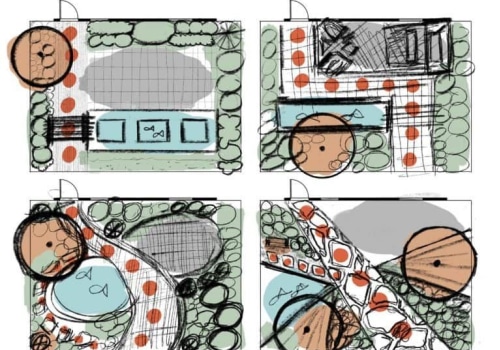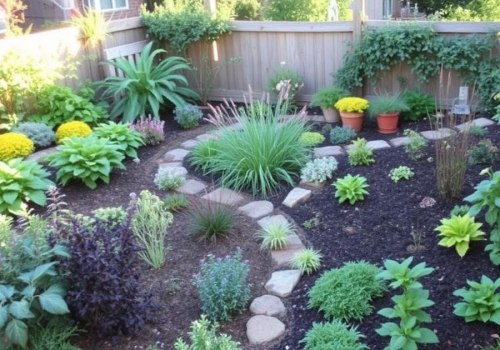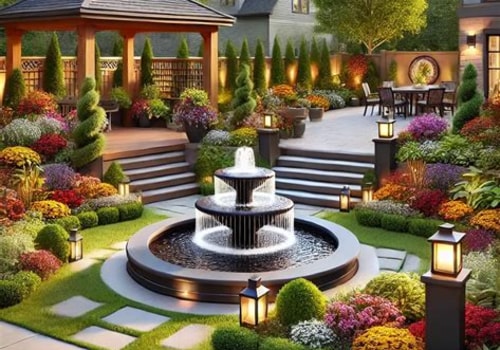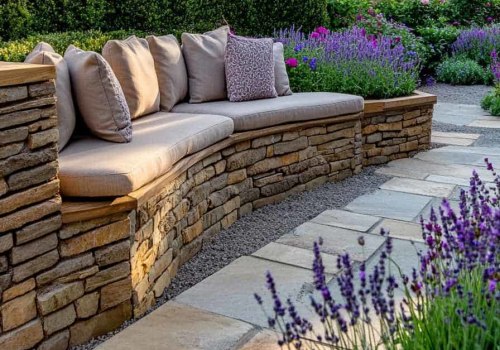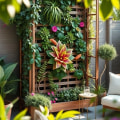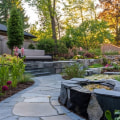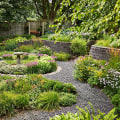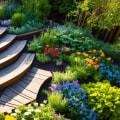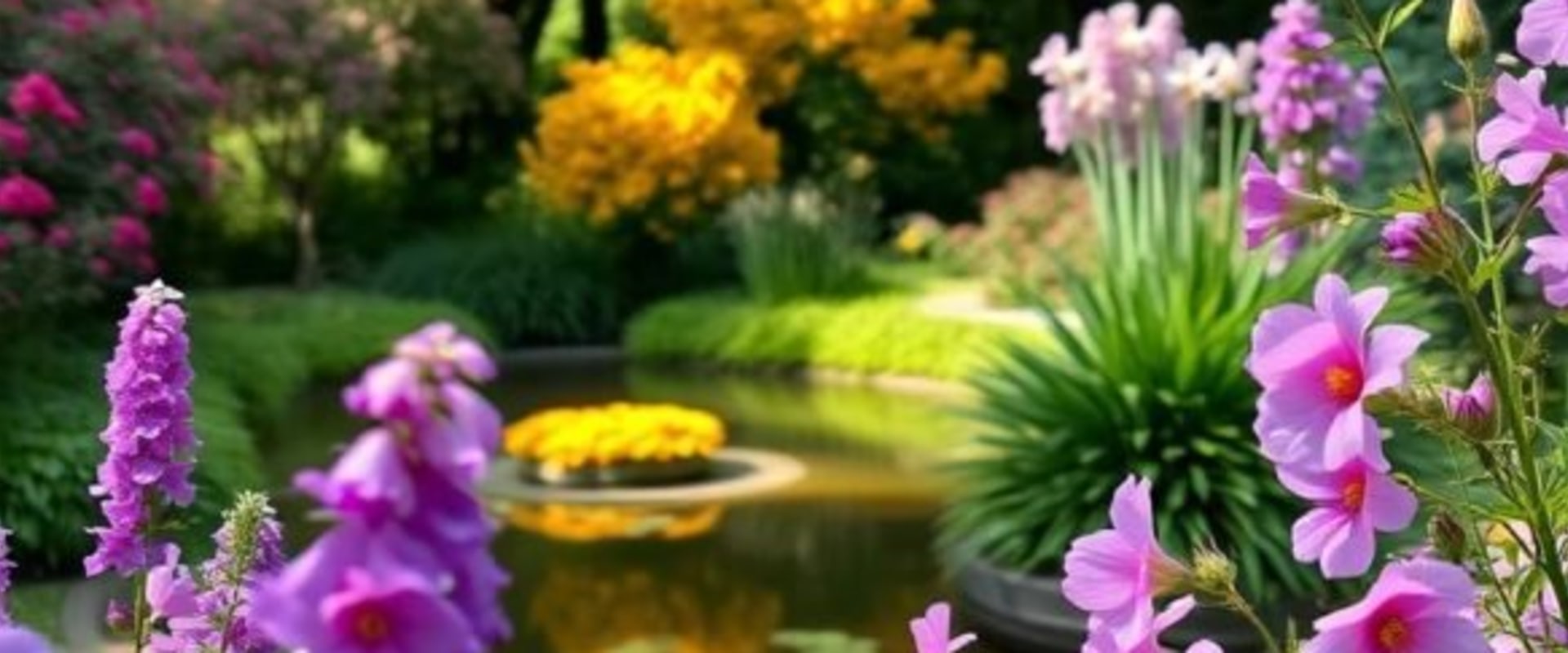
Color theory is a fundamental aspect of garden design that can significantly influence the aesthetic appeal and emotional impact of your outdoor space. By understanding how colors interact, you can create a harmonious environment that not only pleases the eye but also evokes specific feelings and moods. The color wheel serves as a vital tool in this process, illustrating the relationships between different colors and helping you make informed decisions about your plant selections. At its core, the color wheel is divided into primary, secondary, and tertiary colors, each playing a unique role in garden design and planning. Primary colors—red, blue, and yellow—are the building blocks of all other colors.
When combined, they create secondary colors like green, orange, and purple. Understanding these relationships allows you to experiment with color harmony, which can be achieved through complementary, analogous, or triadic color schemes. For instance, pairing complementary colors—those opposite each other on the wheel—can create vibrant contrasts that draw attention to specific areas of your garden. Moreover, the emotional responses elicited by different colors can guide your design choices. Warm colors such as reds and yellows tend to energize and stimulate, making them ideal for lively spaces like patios or play areas.
In contrast, cool colors like blues and greens promote tranquility and relaxation, perfect for serene garden corners or meditation spots. By thoughtfully applying these principles of color theory in your garden design, you can craft a visually stunning landscape that resonates with your personal style and enhances your outdoor experience.
The Psychology of Color in Gardening
Understanding the psychology of color is essential for creating a garden that not only looks beautiful but also evokes the desired emotions and atmosphere. Each color has its own unique psychological impact, influencing how we feel and interact with our surroundings.Warm Colors: Colors like red, orange, and yellow are often associated with energy, warmth, and excitement. Incorporating these hues into your garden can create a vibrant and inviting atmosphere.For instance, planting bright red flowers such as geraniums or poppies can stimulate feelings of passion and enthusiasm, making your garden a lively gathering space.Cool Colors: In contrast, cool colors like blue, green, and purple tend to evoke calmness and tranquility. These shades can help create a serene environment, perfect for relaxation. Consider adding lavender or blue hydrangeas to your garden to promote a peaceful atmosphere where you can unwind after a long day.Neutral Colors: Whites, grays, and browns serve as excellent backdrops that can enhance the vibrancy of other colors in your garden. They provide balance and can make colorful plants stand out even more.
Using neutral tones in hardscaping elements like pathways or fences can help create a cohesive look while allowing the plants to shine. The emotional impact of colors extends beyond just aesthetics; it can influence how we experience our gardens. For example, a garden filled with warm colors may encourage social interaction and activity, while one dominated by cool colors may invite solitude and reflection. When planning your garden design, consider how you want to feel in the space. Do you want it to be a lively area for entertaining guests or a peaceful retreat for personal reflection? By thoughtfully selecting colors based on their psychological effects, you can craft an outdoor space that resonates with your emotional needs and enhances your overall gardening experience.
Choosing a Color Palette for Your Garden
When it comes to garden design and planning, selecting a cohesive color palette is essential for creating a harmonious and visually appealing space. A well-thought-out color scheme can enhance the overall aesthetic of your garden, making it a more inviting and enjoyable environment.Understanding Color Schemes
There are several types of garden color schemes you can consider:- Monochromatic: This scheme uses variations of a single color, creating a serene and cohesive look.
For example, different shades of blue can evoke a calming atmosphere.
- Analogous: This approach involves using colors that are next to each other on the color wheel, such as blue, blue-green, and green. This creates a rich and vibrant effect while maintaining harmony.
- Complementary: By pairing colors that are opposite each other on the color wheel, like orange and blue, you can create striking contrasts that draw attention to specific areas of your garden.
Selecting Colors for Your Garden
When selecting colors for your garden, consider the following practical tips:- Assess Your Space: Take note of the existing elements in your garden, such as walls, fences, or pathways. These can influence your color choices.
- Consider Seasonal Changes: Think about how colors will look throughout different seasons. Some plants may bloom in vibrant colors during spring but fade in fall.
- Test Before Committing: Use paint swatches or fabric samples to visualize how different colors will work together in your garden setting before planting.
Incorporating Seasonal Colors into Your Garden Design
Incorporating seasonal colors into your garden design is essential for creating a vibrant and dynamic landscape that evolves throughout the year.By selecting plants that bloom in different seasons, you can ensure that your garden remains visually appealing, regardless of the time of year.
Spring
is a time of renewal, and it offers a plethora of colorful options. Consider planting tulips, daffodils, and hyacinths to create a cheerful display. These bulbs not only provide bright colors but also signal the end of winter, inviting new life into your garden.As spring transitions into summer , you can introduce plants like daylilies, coneflowers, and zinnias. These flowers thrive in the warm weather and add rich hues of yellow, orange, and pink to your landscape.
Additionally, consider incorporating annuals such as petunias and marigolds, which can be easily replaced each year for fresh color.The arrival of autumn brings a stunning palette of reds, oranges, and yellows. Plants like chrysanthemums, sedum, and ornamental grasses can create a warm and inviting atmosphere as the leaves begin to change. This is also an excellent time to plant evergreens, which will provide structure and color during the winter months.
Winter
, while often overlooked, can still offer beauty through carefully selected plants. Consider incorporating winterberry, holly, or even snowdrops.
These plants not only add color but also provide interest when most other plants are dormant.
Planning for seasonal transitions
is crucial in maintaining a cohesive look in your garden. Create a planting schedule that allows for staggered blooms, ensuring that as one plant fades, another takes its place. This approach not only enhances the aesthetic appeal but also supports local wildlife by providing food sources throughout the year.By thoughtfully incorporating seasonal colors into your garden design, you can create a stunning landscape that captivates the eye and enriches your outdoor space all year long.
Using Color to Create Focal Points in Your Garden
Creating focal points in your garden is essential for drawing the eye and enhancing the overall design. By strategically using color, you can highlight specific areas or features, making them stand out and adding depth to your garden layout.Choosing the Right Colors
- Warm colors like reds, oranges, and yellows tend to attract attention and can create a sense of energy.
Consider planting vibrant red tulips or sunny yellow marigolds to draw visitors' eyes to a particular spot.
- Cool colors, such as blues and purples, can provide a calming effect and are excellent for creating a serene atmosphere. Incorporating lavender or blue hydrangeas can help soften the look of your garden while still serving as focal points.
Design Techniques for Emphasis
- Contrast: Use contrasting colors to make certain plants or features pop. For example, pairing bright orange flowers with deep purple foliage can create a striking visual impact.
- Repetition: Repeating a color throughout your garden can unify the design. If you have a cluster of red flowers, consider adding red accents in garden decor or furniture to tie everything together.
- Placement: Position focal points at eye level or at the end of a pathway to naturally guide visitors through your garden.
A vibrant sculpture or a colorful bench can serve as an inviting destination.
Combining Textures and Colors for Depth in Garden Design
Incorporating textures into your garden design is essential for creating a visually appealing and dynamic space. Different plant textures can significantly influence the overall aesthetic, adding depth and interest to your garden. By thoughtfully combining various textures with colors, you can create a harmonious environment that captivates the eye.Understanding Plant Textures
- Smooth Leaves: Plants like hostas and ferns have smooth, glossy leaves that reflect light beautifully, adding a touch of elegance.
- Rough or Fuzzy Leaves: Consider incorporating plants such as lamb's ear or certain succulents, which provide a tactile contrast to smoother foliage.
- Fine Textures: Grasses and delicate flowers can introduce a soft, airy feel to your garden, making it feel more open and inviting.
- Bold Textures: Large-leaved plants like elephant ears or bold architectural plants like agaves can serve as focal points, drawing attention and creating visual weight.
Combining Colors and Textures
The interplay between color and texture is crucial in achieving depth in garden design.
Here are some tips for effectively combining them:
- Create Contrast: Pair smooth, vibrant flowers with rough-textured foliage to create striking contrasts that highlight both elements.
- Layering: Use taller plants with bold textures at the back of your garden beds, while placing finer-textured plants in the foreground. This layering effect adds dimension and draws the eye through the space.
- Color Harmony: Choose a color palette that complements the textures you are using. For instance, soft pastels can enhance the delicate nature of fine-textured plants, while rich jewel tones can amplify the drama of bold textures.
Common Mistakes to Avoid When Using Color in Garden Design
When it comes to garden design and planning, understanding color theory can significantly enhance the aesthetic appeal of your outdoor space.However, many gardeners fall into common traps that can undermine their efforts. Here are some frequent mistakes to avoid:
- Ignoring the Color Wheel: One of the biggest mistakes is not utilizing the color wheel effectively. Complementary colors can create vibrant contrasts, while analogous colors provide harmony. Failing to consider these relationships can lead to a disjointed look.
- Overusing Bright Colors: While bright colors can energize a garden, overdoing it can create visual chaos.
Instead, balance bold hues with neutral tones or softer shades to maintain a cohesive design.
- Neglecting Seasonal Changes: Colors in your garden will change with the seasons. Choosing plants that only bloom in one season can lead to a lack of interest throughout the year. Incorporate a variety of plants that offer different colors across seasons for continuous appeal.
- Forgetting About Scale: The size of your plants and flowers matters. Large, bold colors can overwhelm smaller spaces, while tiny blooms may get lost in larger gardens.
Always consider the scale of your garden when selecting color schemes.
- Not Considering Lighting: Natural light affects how colors appear in your garden. A color that looks stunning in bright sunlight may appear dull in shade. Test your color choices at different times of day to see how they interact with light.
FAQs About Color Theory in Garden Design
Understanding color theory can significantly enhance your garden design and planning.Here are some frequently asked questions that can help clarify how to effectively use color in your garden:
- What is color theory? Color theory is a set of principles used to understand how colors interact with one another. It includes concepts like the color wheel, complementary colors, and color harmony, which can all be applied to create visually appealing garden designs.
- How can I choose a color scheme for my garden? Start by considering the mood you want to create. For a tranquil space, opt for cool colors like blues and greens. If you want a vibrant and energetic atmosphere, warm colors such as reds and yellows are ideal.
You can also use a combination of both to create balance.
- What are complementary colors in garden design? Complementary colors are those that are opposite each other on the color wheel. In garden design, using complementary colors can create striking contrasts that draw the eye. For example, pairing purple flowers with yellow foliage can make both colors pop.
- How do seasonal changes affect color in my garden? Different plants bloom at various times of the year, which means your garden's color palette will change with the seasons. Plan for year-round interest by selecting plants that offer different colors throughout spring, summer, fall, and winter.
- Can I use color to influence the perception of space? Yes! Lighter colors can make a small garden appear larger and more open, while darker shades can create a cozy, intimate feel.
Use this knowledge to manipulate how your garden space is perceived.
Conclusion: The Impact of Color Theory on Your Garden Design Journey
In conclusion, understanding and applying color theory in your garden design can significantly enhance the aesthetic appeal and emotional impact of your outdoor space. Throughout this article, we explored how different colors evoke various feelings and can influence the perception of space. For instance, warm colors like reds and yellows can create a sense of energy and warmth, while cool colors such as blues and greens promote tranquility and relaxation.By utilizing the principles of color theory, you can create a harmonious balance in your garden that not only pleases the eye but also resonates with your personal style.Here are some key takeaways:
- Color Schemes: Consider using complementary, analogous, or monochromatic color schemes to create visual interest and cohesion.
- Seasonal Changes: Plan for seasonal variations in color by selecting plants that bloom at different times of the year, ensuring your garden remains vibrant year-round.
- Focal Points: Use bold colors to draw attention to specific areas or features in your garden, such as a seating area or a water feature.
- Emotional Impact: Think about the emotions you want to evoke in your garden space. For example, soft pastels can create a calming atmosphere, while bright hues can energize the environment.