Incorporating seasonal interest into your garden design is essential for creating a dynamic and engaging outdoor space. Seasonal interest refers to the visual appeal that plants and garden features provide throughout the year, changing with the seasons. This concept not only enhances the aesthetic value of your garden but also contributes to its overall functionality, making it a vibrant place to enjoy regardless of the time of year. Understanding the importance of seasonal plants in your garden planning can transform a static landscape into a lively tapestry of colors, textures, and forms. For instance, spring bulbs like tulips and daffodils herald the arrival of warmer weather, while summer perennials such as coneflowers and daylilies offer a riot of color during the peak growing season.
As autumn approaches, ornamental grasses and fall-blooming asters can provide stunning visual interest, while evergreens ensure that your garden remains appealing even in winter. By thoughtfully selecting plants that bloom or exhibit unique characteristics at different times of the year, you can create a garden that tells a story through its seasonal changes. This not only captivates the eye but also supports local wildlife by providing food and habitat throughout the seasons. In this article, we will explore various strategies for incorporating seasonal interest into your garden design, ensuring that your outdoor space remains a source of joy and inspiration all year round.
Choosing the Right Plants for Year-Round Appeal
Incorporating seasonal interest into your garden design requires careful selection of plants that can thrive throughout the year. By choosing a mix of perennials, annuals, and evergreens, you can create a vibrant landscape that evolves with the seasons.Perennials for Long-Term Beauty
Perennials are a cornerstone of any garden design, as they return year after year, providing a reliable source of color and texture.Consider varieties like:
- Daylilies : These hardy plants bloom in various colors and require minimal maintenance.
- Hostas : Known for their lush foliage, hostas add depth to shaded areas.
- Echinacea (Coneflower) : This drought-resistant perennial attracts pollinators and blooms from summer to fall.
Annuals for Seasonal Splashes
Annuals are perfect for adding seasonal flair to your garden. They complete the look with vibrant colors and can be easily replaced each year. Some popular choices include:- Pansies : Ideal for early spring, they offer a wide range of colors.
- Zinnias : Blooming from summer to frost, zinnias are low-maintenance and attract butterflies.
- Chrysanthemums : These fall favorites provide rich hues as the weather cools down.
Evergreens for Year-Round Structure
Evergreens play a crucial role in maintaining structure and visual interest during the winter months. They provide a backdrop for seasonal flowers and can be used to create privacy screens or focal points.Consider:
- Pine Trees : Their tall stature adds height and year-round greenery.
- Boxwood Shrubs : Perfect for formal hedges, they can be shaped to fit any design.
- Cypress Trees : These add a unique texture and are great for creating vertical interest.
Designing with Seasonal Color Schemes
Incorporating seasonal color schemes into your garden design and planning can transform your outdoor space, making it visually appealing throughout the year. By understanding color theory in gardening, you can create harmonious palettes that reflect the changing seasons.Spring: Awakening Colors
- Utilize soft pastels like pinks, yellows, and light blues to evoke a sense of renewal.
- Consider planting tulips, daffodils, and hyacinths for vibrant bursts of color.
Summer: Bold and Bright
- Incorporate rich hues such as deep reds, oranges, and purples to create a lively atmosphere.
- Choose sunflowers, zinnias, and marigolds for their striking colors and long blooming periods.
Autumn: Warm Tones
- Embrace warm earth tones like golds, browns, and burnt oranges to reflect the season's transition.
- Plant asters, chrysanthemums, and ornamental grasses to add texture and depth.
Winter: Subtle Elegance
- Focus on evergreen plants and winter-blooming flowers to maintain interest during the colder months.
- Add splashes of color with berries from holly or the vibrant foliage of certain shrubs.
Additionally, using varying shades of a single color can add depth without overwhelming the senses.By thoughtfully selecting plants that bloom in succession throughout the seasons, you can ensure that your garden remains a source of beauty year-round. This approach not only enhances the aesthetic appeal but also fosters a deeper connection with nature as you witness its cyclical changes.
Incorporating Seasonal Textures and Forms
Incorporating seasonal textures and forms into your garden design and planning can transform your outdoor space into a dynamic and engaging environment. By selecting plants with varying textures and shapes, you can create visual interest that evolves throughout the year.Understanding Textures
- Foliage Texture: Consider the leaf shapes and sizes of your plants. For instance, large, broad leaves can create a lush, tropical feel, while fine, delicate foliage adds a lightness to the garden.
Mixing these textures can enhance depth.
- Bark and Stem Characteristics: The bark of trees and shrubs can provide year-round interest. Smooth, peeling bark contrasts beautifully with rough, textured surfaces. Additionally, colorful stems, such as those of red-twig dogwood, can brighten up winter landscapes.
Exploring Plant Forms
- Structural Plants: Incorporate plants with strong architectural forms, such as ornamental grasses or topiary. These elements serve as focal points and provide structure to your garden design.
- Seasonal Changes: Choose plants that change with the seasons.
For example, deciduous trees offer vibrant fall colors, while evergreens maintain their form and color during winter months.
Seasonal Design Elements
To further enhance your garden's seasonal appeal, consider adding elements that highlight the changing seasons:
- Flowering Plants: Select a variety of flowering plants that bloom at different times throughout the year. This ensures that there is always something in bloom, providing color and fragrance.
- Seasonal Decor: Incorporate decorative elements such as seasonal planters or garden ornaments that reflect the time of year. This adds an extra layer of interest and invites visitors to explore your garden.
Planning for Seasonal Changes: Timing and Maintenance
Incorporating seasonal interest into your garden design and planning requires a thoughtful approach to timing and maintenance.Understanding the seasonal changes in your region is crucial for creating a garden that remains vibrant throughout the year. Here are some key considerations:
- Planting Schedules: Different plants have specific growing seasons. For instance, spring bulbs like tulips and daffodils should be planted in the fall, while summer annuals can be sown in late spring. Create a planting calendar that outlines when to sow seeds or transplant seedlings to ensure a continuous bloom.
- Seasonal Maintenance: Regular maintenance is essential for keeping your garden healthy and attractive.
This includes tasks such as pruning, deadheading, and fertilizing. Schedule these activities according to the seasons; for example, late winter is ideal for pruning many shrubs, while summer may require more frequent watering and weeding.
- Seasonal Color Schemes: Choose plants that offer different colors and textures throughout the seasons. Incorporate early bloomers like crocuses for spring, vibrant summer perennials like coneflowers, and fall favorites such as asters. This diversity will ensure that your garden remains visually appealing year-round.
- Winter Interest: Don’t overlook the winter months.
Select evergreens, ornamental grasses, and plants with interesting bark or berries to provide structure and color during the colder months. This planning will enhance your garden's aesthetic even when most plants are dormant.
Creating Focal Points for Seasonal Interest
Incorporating seasonal interest into your garden design is essential for creating a dynamic and engaging landscape. One effective way to achieve this is by establishing focal points that draw the eye and highlight the beauty of each season.1.Choose Seasonal Plants
- Spring: Consider planting vibrant tulips, daffodils, and hyacinths that bloom early in the season, providing a burst of color after winter.
- Summer: Incorporate perennials like coneflowers and daylilies, which not only thrive in the heat but also attract pollinators.
- Fall: Opt for ornamental grasses and fall-blooming asters to create a warm palette as the leaves change color.
- Winter: Use evergreens and plants with interesting bark or berries, such as holly or winterberry, to maintain visual interest during the colder months.
2.Utilize Hardscape Elements
In addition to plants, consider incorporating hardscape features that serve as focal points throughout the year.
Items such as:
- Garden sculptures: Choose pieces that resonate with your garden's theme and can withstand seasonal changes.
- Pergolas or arbors: These structures can be adorned with climbing plants that bloom at different times, providing vertical interest.
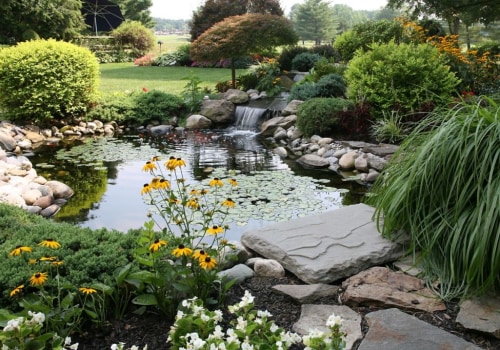
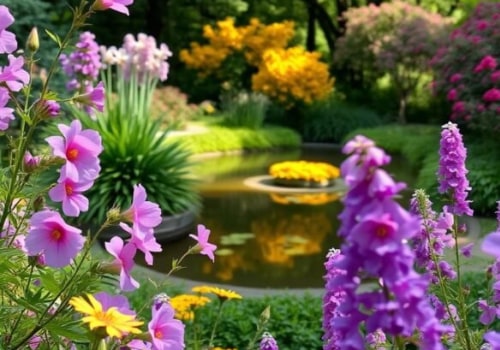
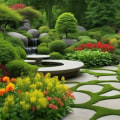
- Water features: A pond or fountain can serve as a stunning centerpiece, reflecting seasonal changes in the surrounding landscape.
3.Layering for Depth
Create depth in your garden design by layering plants of varying heights. This technique not only enhances visual appeal but also allows for seasonal transitions to be more pronounced. For example, taller plants can provide a backdrop for shorter blooms, ensuring that each season's highlights are visible from different angles.By thoughtfully selecting design elements that emphasize seasonal changes, you can create a garden that remains captivating throughout the year. Whether through plant selection or structural features, these focal points will ensure your garden is always a source of joy and inspiration.
Utilizing Hardscaping for Seasonal Appeal
Incorporating hardscaping into your garden design is an effective way to create seasonal interest and enhance the overall aesthetic of your outdoor space.Hardscaping elements such as paths, patios, and outdoor structures not only provide functionality but also serve as a backdrop for your plantings, allowing them to shine throughout the year.
Paths
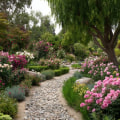
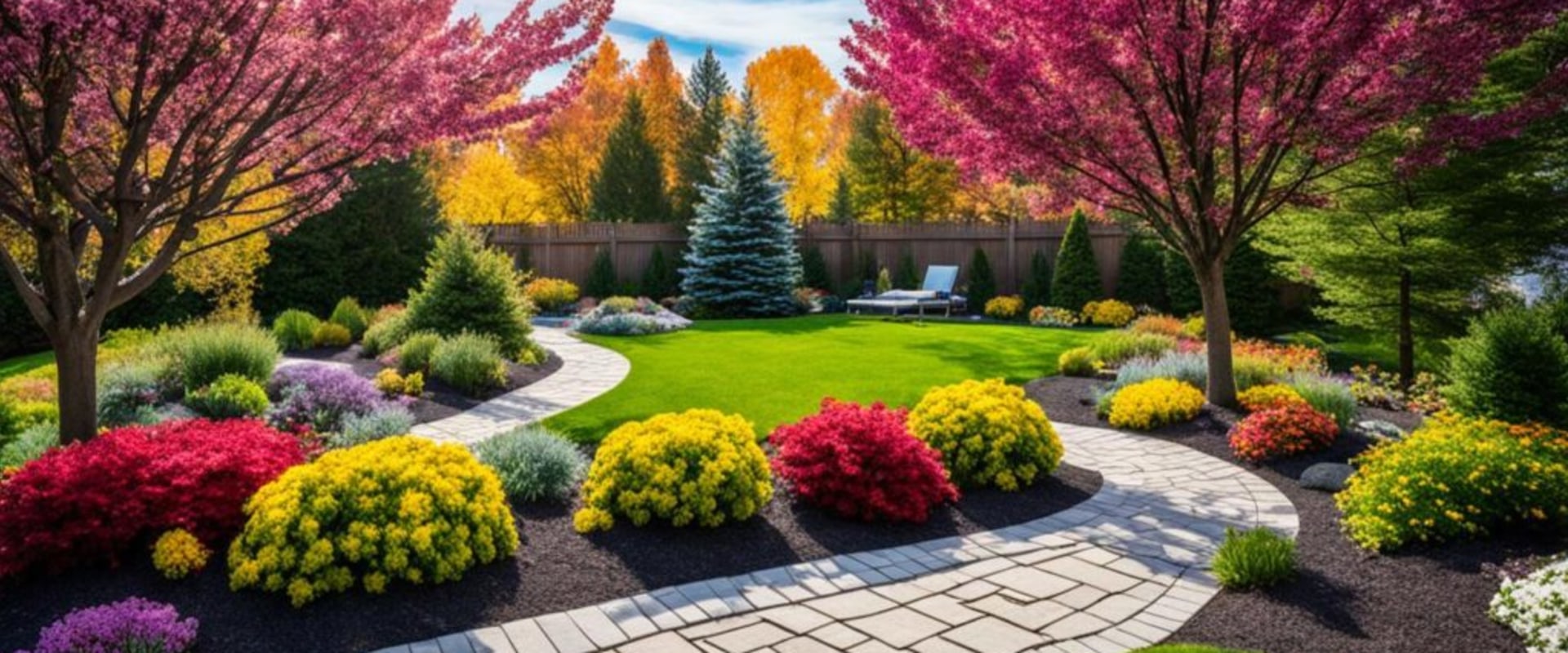
are essential in guiding visitors through your garden while adding structure. Consider using materials like natural stone, brick, or gravel that can complement the seasonal colors of your plants. For instance, a winding stone path can lead to a vibrant flower bed in spring and summer, while the same path can be framed by colorful foliage in the fall.Patios
offer a perfect space for relaxation and entertainment, and they can be designed to reflect seasonal themes. Using seasonal hardscape features like fire pits or outdoor kitchens can extend the usability of your patio into cooler months.Incorporating materials that change with the seasons, such as warm-toned pavers in autumn or cool-toned tiles in summer, can enhance the visual appeal.
Outdoor structures
, such as pergolas or trellises, can also play a significant role in seasonal interest. These structures can support climbing plants that bloom at different times of the year, providing vertical interest and shade during hot months. In winter, consider adding string lights or decorative elements to these structures to create a cozy atmosphere.Additionally, integrating seasonal hardscape features like decorative boulders or sculptures can add focal points that draw attention regardless of the season. By thoughtfully planning your hardscaping elements, you can create a garden that remains visually engaging throughout the year.Seasonal Gardening Tips: What to Plant When?
Incorporating seasonal interest into your garden design requires a thoughtful approach to planting throughout the year.Here’s a breakdown of what to plant in each season to ensure your garden remains vibrant and engaging.
Spring Planting
- Annuals: Consider planting petunias, marigolds, and zinnias for a burst of color.
- Perennials: Spring is ideal for planting daylilies, hostas, and peonies, which will bloom beautifully in the summer.
- Vegetables: Start your vegetable garden with lettuce, spinach, and radishes, which thrive in cooler temperatures.
Summer Planting
- Heat-Loving Plants: Add sunflowers, dahlias, and cosmos to bring vibrant colors to your garden.
- Herbs: Summer is perfect for planting herbs like basil, oregano, and thyme, which can be harvested throughout the season.
- Fall Crops: Consider sowing seeds for fall crops such as Kale, which can withstand cooler temperatures.
Fall Planting
- Trees and Shrubs: Fall is an excellent time to plant trees like maples and shrubs such as hydrangeas.
- Bulbs: Plant spring-flowering bulbs like daffodils, tulips, and crocuses in the fall for a stunning display come spring.
- Cover Crops: Consider sowing cover crops like clover, which can improve soil health over winter.
winter gardening tips
- Pansies: These hardy flowers can be planted in late fall for early winter blooms.
- Trees: Winter is a great time to plan for new trees, as they are dormant and can be planted without stress.
- Shelter Plants: Use evergreens like spruce or pine, which provide structure and interest during the winter months.
Conclusion: Embracing Seasonal Change in Your Garden Design
Incorporating seasonal interest into your garden design and planning is not just about aesthetics; it’s about creating a dynamic environment that evolves throughout the year. By thoughtfully selecting plants and materials that offer visual appeal in every season, you can ensure that your garden remains vibrant and engaging, regardless of the time of year.As we’ve explored, the key to achieving this lies in understanding the unique characteristics of each season. For instance, spring brings a burst of color with blooming flowers like tulips and daffodils, while summer showcases lush greenery and vibrant annuals. In contrast, autumn offers a stunning display of foliage with rich reds and golds, and winter can be transformed with evergreens and ornamental grasses that provide structure and interest.To effectively embrace seasonal change in your garden:- Plan for Diversity: Choose a mix of perennials, annuals, and shrubs that bloom at different times.
This ensures that there is always something in flower or of interest.
- Incorporate Hardscaping: Use paths, patios, and decorative elements that remain visually appealing year-round. Materials like stone or wood can add texture even in the colder months.
- Utilize Seasonal Decor: Consider adding seasonal decorations or features such as bird feeders or sculptures that can enhance the garden's appeal throughout the year.
- Focus on Foliage: Select plants with interesting leaf shapes and colors that provide visual interest even when flowers are not present.