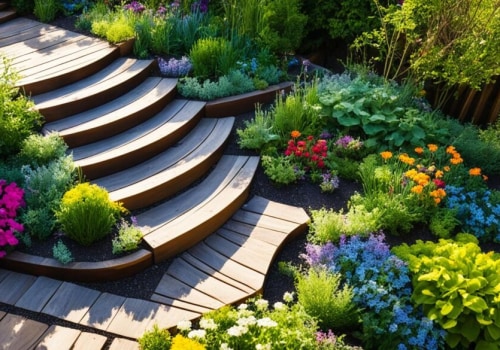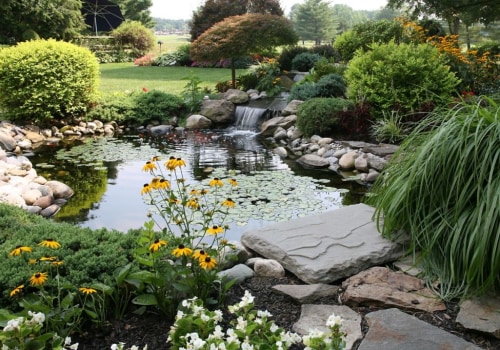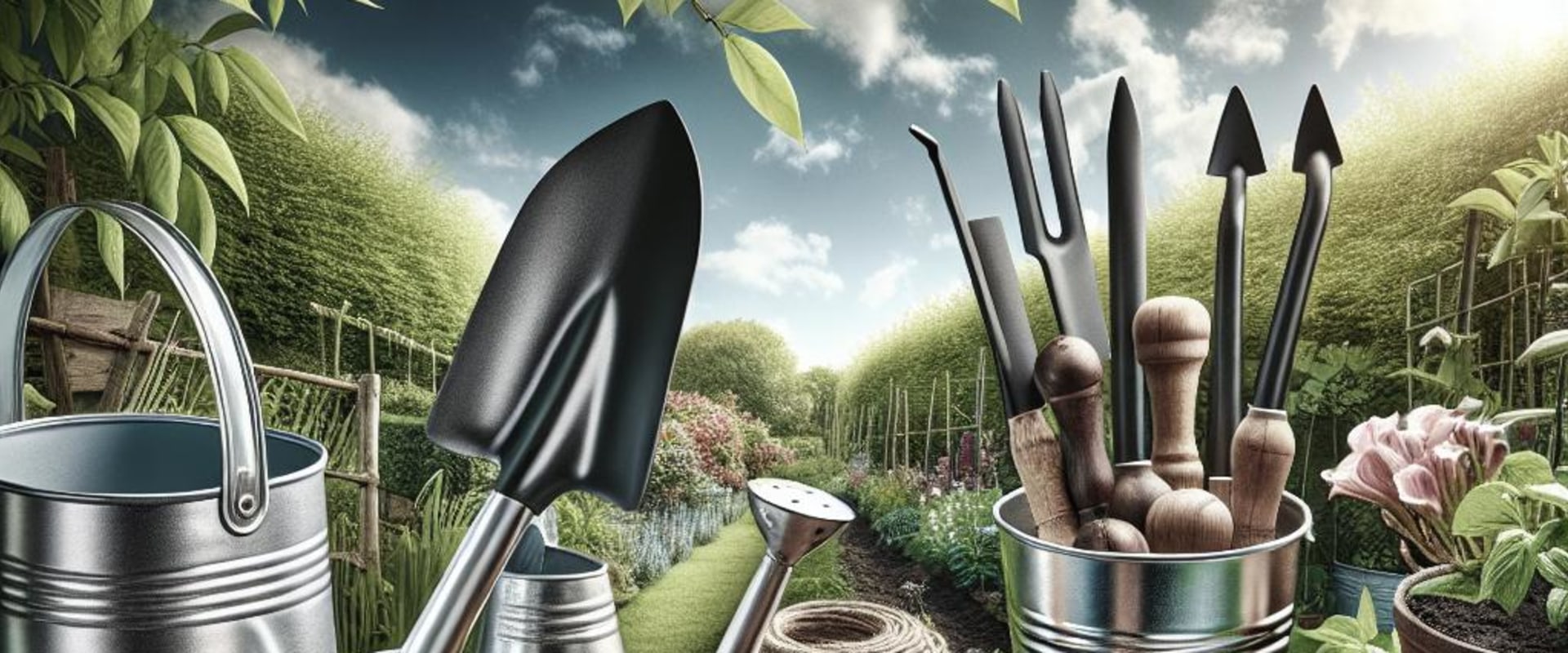
When embarking on the journey of creating a garden, understanding garden design and planning is crucial. This process goes beyond merely selecting plants; it involves a thoughtful approach to how the space will function and look. A well-designed garden not only enhances the aesthetic appeal of your property but also serves practical purposes, such as providing a habitat for wildlife, improving air quality, and even offering a space for relaxation and recreation. The importance of garden design cannot be overstated. It allows gardeners to visualize their ideas and translate them into a cohesive plan that considers factors like sunlight, soil type, and climate.
Effective garden planning ensures that each element of the garden complements the others, creating a harmonious environment that can thrive over time. By taking the time to plan, you can avoid common pitfalls such as overcrowding or poor plant placement, which can lead to maintenance challenges down the road. In this article, we will explore essential tools that can aid in the design and planning of your garden. From digital software to traditional sketching methods, these resources will empower you to create a garden that reflects your vision while being functional and sustainable. Whether you are a novice gardener or an experienced landscape designer, understanding these tools will enhance your ability to bring your garden dreams to life.
Essential Tools for Garden Planning
When it comes to garden design and planning, having the right tools can make all the difference.From software that helps visualize your garden layout to apps that assist in plant selection, these tools can streamline the planning process and enhance your gardening experience.
Garden Layout Software
One of the most effective ways to plan your garden is by using garden layout software. These programs allow you to create a digital representation of your garden space, making it easier to experiment with different designs. Popular options include:- SketchUp: A versatile 3D modeling tool that can be used for various design projects, including gardens.
- Garden Planner: This user-friendly software offers drag-and-drop functionality, allowing you to easily place plants, paths, and structures.
- SmartDraw: A comprehensive diagramming tool that includes templates specifically for garden layouts.
Planning Apps
In addition to desktop software, there are numerous mobile apps designed for garden planning. These apps provide on-the-go access to your garden plans and often include features like plant databases and care reminders.Some noteworthy apps are:
- Gardenize: This app helps you keep track of your plants, their care schedules, and even allows you to document your garden's progress with photos.
- PlantSnap: Ideal for identifying plants, this app can help you choose the right species for your garden based on your local climate.
- Garden Plan Pro: A comprehensive app that assists in creating detailed garden layouts and offers planting guides tailored to your region.
Design Tools for Garden Layout
When it comes to garden design and planning, having the right tools can make all the difference in creating a beautiful and functional outdoor space. Whether you prefer traditional methods or modern technology, there are various tools available to help you visualize and plan your garden layout effectively.Digital Landscape Design Software
One of the most popular options for garden design tools is digital landscape design software. These programs allow you to create detailed 2D and 3D representations of your garden.Some notable features include:
- User-Friendly Interfaces: Many software options are designed for ease of use, making them accessible even for beginners.
- Plant Libraries: Most programs come with extensive libraries of plants, allowing you to select species that suit your climate and aesthetic preferences.
- Realistic Visualizations: 3D modeling capabilities enable you to see how your garden will look at different times of the year.
Traditional Drawing Tools
If you prefer a hands-on approach, traditional drawing tools can also be effective for garden design and planning. Here are some essential items:- Pencils and Graph Paper: Start with a simple sketch on graph paper to scale your garden layout accurately.
- Rulers and Compasses: These tools help ensure precise measurements and angles in your design.
- Colored Pencils: Use colored pencils to represent different plants and features, helping you visualize the overall look.
Plant Selection Tools
Choosing the right plants is a critical aspect of garden design and planning. The success of your garden largely depends on selecting plants that thrive in your specific climate, soil type, and personal aesthetic preferences.Fortunately, there are several plant selection tools available to assist gardeners in making informed decisions.
- Online Plant Databases: Websites like Plant Database offer extensive resources where you can search for plants based on various criteria such as hardiness zone, sunlight requirements, and water needs. These databases often include images, care instructions, and user reviews, making it easier to visualize how a plant will fit into your garden.
- Mobile Apps: Applications like Garden Answers or PlantSnap allow you to identify plants and access detailed information about them right from your smartphone. These tools can be particularly useful when you're out shopping for plants or exploring local gardens.
- Soil Testing Kits: Understanding your soil type is essential for successful plant selection. Soil testing kits can help you determine pH levels and nutrient content, guiding you in choosing plants that will thrive in your garden's unique conditions.
- Local Extension Services: Many regions have agricultural extension services that provide resources and advice tailored to local conditions.
They can recommend plants that are well-suited to your area and offer insights into common pests and diseases.
Soil and Site Analysis Tools
Understanding the soil and site conditions is a fundamental step in garden design and planning. Utilizing the right tools for soil and site analysis can significantly influence your plant choices and overall garden layout.Soil Testing Kits
One of the most essential tools for any gardener is a soil testing kit.These kits allow you to assess the pH level, nutrient content, and organic matter in your soil. By understanding these factors, you can:
- Select appropriate plants that thrive in your soil conditions.
- Amend your soil with necessary fertilizers or organic matter to improve its quality.
- Prevent plant diseases by ensuring that the soil is balanced and healthy.
Site Analysis Tools
In addition to soil testing, employing site analysis tools is crucial for effective garden planning. These tools help you evaluate various aspects of your garden's location, including:- Sunlight exposure: Understanding how much sunlight different areas of your garden receive can guide you in placing sun-loving plants versus shade-tolerant varieties.
- Drainage patterns: Analyzing how water flows through your site can help prevent waterlogging and ensure that plants receive adequate moisture without drowning.
- Wind direction: Knowing prevailing winds can assist in positioning windbreaks or selecting plants that can withstand gusty conditions.
Budgeting and Cost Estimation Tools
When embarking on a garden design and planning project, understanding the financial implications is crucial.Budgeting and cost estimation tools can significantly streamline this process, ensuring that your garden vision aligns with your financial reality.One of the most effective ways to manage your garden budget is by utilizing garden budgeting tools. These tools often come in the form of software applications or online calculators that allow you to input various elements of your garden project. For instance, you can estimate costs for plants, soil, mulch, and hardscaping materials. Some popular options include:
- Garden Planner: This tool helps you visualize your garden layout while providing cost estimates based on your selections.
- Home Depot's Garden Calculator: A user-friendly tool that helps you calculate the amount of materials needed and their associated costs.
- Smart Gardener: This platform not only assists in planning but also tracks expenses as you purchase items.
These programs allow for customized budgeting spreadsheets where you can track expenses, set limits, and adjust as necessary. You can create categories for different aspects of your garden project, such as:
- Plants and Seeds: Estimate costs based on your desired plant selections.
- Soil and Amendments: Calculate how much soil you'll need and its cost.
- Tools and Equipment: Factor in any new tools required for maintenance or installation.
- Labor Costs: If hiring help, include these expenses in your budget.
Maintenance Planning Tools
Maintaining a garden is just as crucial as its initial design and planning.To ensure your garden thrives throughout the seasons, utilizing effective maintenance planning tools can make a significant difference. These tools help you schedule care tasks, track plant health, and manage resources efficiently.
Garden Maintenance Tools
There are various tools available that can assist in the ongoing maintenance of your garden:- Garden Journals: Keeping a detailed journal allows you to record plant growth, weather conditions, and any issues that arise. This historical data can guide future decisions.
- Soil Test Kits: Regularly testing your soil helps you understand its nutrient levels and pH balance, ensuring your plants receive the right care.
- Watering Timers: Automated watering systems or timers can help maintain consistent moisture levels, which is vital for plant health.
Scheduling Garden Care
Creating a maintenance schedule is essential for keeping your garden in top shape. Here are some tips to consider:- Seasonal Checklists: Develop checklists for each season that outline necessary tasks such as pruning, fertilizing, and pest control.
- Calendar Reminders: Use digital calendars to set reminders for watering, weeding, and harvesting.
This ensures you stay on top of your garden's needs.
- Planting Schedules: Research the best planting times for each species in your garden to optimize growth and yield.
Maintenance Apps for Gardens
In today’s digital age, several apps can streamline your garden maintenance efforts:- Gardenize: This app allows you to document your plants, track their growth, and set reminders for care tasks.
- My Garden: A user-friendly app that helps you plan your garden layout and provides care tips based on your specific plants.
- Pocket Garden: This app offers personalized gardening advice and helps you keep track of seasonal tasks.
FAQs About Garden Design and Planning Tools
When it comes to garden design and planning, many enthusiasts have questions about the tools available to them. Here are some frequently asked questions that can help clarify your understanding of these essential resources.What are the best tools for garden design?
There are several tools that can significantly enhance your garden design process:- Garden Planning Software: Programs like SketchUp, Garden Planner, and SmartDraw allow you to create detailed layouts and visualize your garden in 3D.
- Mobile Apps: Apps such as PlantSnap and Gardenize help you identify plants and keep track of your garden's progress.
- Physical Tools: Traditional tools like graph paper, rulers, and colored pencils can also be effective for sketching out designs.
How do I choose the right garden planning software?
Selecting the right software depends on your specific needs:- User-Friendliness: Look for software that is intuitive and easy to navigate, especially if you're a beginner.
- Features: Consider what features are most important to you, such as plant databases, climate considerations, or 3D visualization.
- Budget: Some tools are free while others require a subscription. Determine what fits within your budget.
What should I do if I encounter issues with my garden design?
If you face challenges during the design process, consider these troubleshooting tips:- Reassess Your Layout: Sometimes a simple change in layout can resolve space or sunlight issues.
- Consult Online Resources: Websites and forums dedicated to gardening can provide valuable insights from experienced gardeners.
- Seek Professional Help: If you're still struggling, hiring a landscape designer may be a worthwhile investment.
Conclusion: Bringing Your Garden Vision to Life
In conclusion, successfully designing and planning your garden requires a thoughtful approach and the right set of tools.As we have explored, these tools not only enhance your creativity but also streamline the process, making it more enjoyable and efficient. To recap, here are some essential tools that can help you bring your garden vision to life:
- Garden Planning Software: These digital platforms allow you to visualize your garden layout, experiment with different plant combinations, and even simulate growth over time.
- Soil Test Kits: Understanding your soil's pH and nutrient levels is crucial for selecting the right plants and ensuring their health.
- Measuring Tools: Accurate measurements are vital for spacing plants correctly and ensuring that your design is both functional and aesthetically pleasing.
- Sketching Supplies: Whether it's traditional pen and paper or digital drawing tools, sketching your ideas helps clarify your vision.
- Plant Catalogs: These resources provide valuable information on plant characteristics, helping you choose species that thrive in your specific environment.