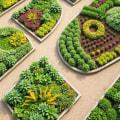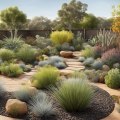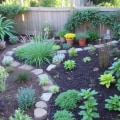
In the realm of garden design and planning, the concept of privacy is often overlooked, yet it plays a crucial role in transforming an outdoor space into a personal sanctuary. A well-designed garden not only enhances the aesthetic appeal of a property but also provides a retreat from the hustle and bustle of daily life. The importance of privacy in garden design cannot be overstated; it allows individuals to enjoy their outdoor spaces without the intrusion of neighbors or passersby, fostering a sense of tranquility and comfort. When considering garden planning for privacy, it is essential to think about how various elements can work together to create secluded areas. This might include the strategic placement of trees, shrubs, and hedges that act as natural barriers, or the incorporation of structures such as trellises and pergolas adorned with climbing plants.
These features not only serve practical purposes but also add layers of visual interest to the garden, enhancing its overall design. The benefits of private gardens extend beyond mere aesthetics; they contribute significantly to mental well-being. A private garden can serve as a peaceful retreat where one can unwind, meditate, or engage in hobbies without distractions. Moreover, having a secluded outdoor space encourages social interactions with family and friends in a more intimate setting, making it an ideal venue for gatherings and celebrations. Ultimately, prioritizing privacy in your garden design is about creating a harmonious environment that nurtures both personal reflection and social connection.
Incorporating Natural Barriers
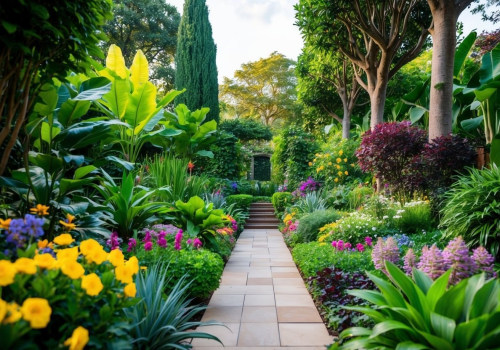
When it comes to garden design and planning, incorporating natural barriers is an effective way to enhance privacy while adding beauty to your outdoor space.Utilizing trees, shrubs, and hedges not only creates a secluded atmosphere but also contributes to the overall aesthetic of your garden.
Using Plants for Privacy
- Trees: Tall trees such as evergreens or deciduous varieties can serve as excellent natural screens. They provide year-round coverage and can be strategically placed to block unwanted views from neighbors or passersby.
- Shrubs: Dense shrubs can be used to create layered privacy. Varieties like boxwood or privet can be trimmed to maintain a specific height and shape, allowing for both privacy and design flexibility.
- Hedges: A well-maintained hedge can act as a living fence. Consider planting a mix of flowering and evergreen species to add seasonal interest while ensuring that your garden remains private throughout the year.
By selecting native plants, you can attract local wildlife, such as birds and beneficial insects, which contribute to a healthy ecosystem.
Design Considerations
- When planning your natural barriers, consider the mature height and spread of the plants you choose. This will ensure that they provide adequate privacy without overwhelming the space.
- Think about layering different types of plants. For example, taller trees can be placed at the back with shorter shrubs in front, creating depth and visual interest.
- Incorporate pathways or seating areas within these natural barriers to create inviting spaces that encourage relaxation and enjoyment of your garden.
Utilizing Fencing and Walls
When it comes to enhancing privacy in your garden design and planning, fencing and walls are among the most effective solutions.They not only provide a physical barrier but also contribute to the overall aesthetic of your outdoor space.
Fencing Options for Garden Privacy
There are various types of fences that can be utilized to create a secluded atmosphere:- Wooden Fences: These are classic choices that offer a natural look. Options like cedar or redwood are durable and can be stained or painted to match your garden's theme.
- Vinyl Fences: Low-maintenance and available in various styles, vinyl fences can mimic the appearance of wood without the upkeep.
- Metal Fences: Options like wrought iron or aluminum provide a modern touch. While they may not offer complete privacy, they can be combined with climbing plants for added coverage.
- Bamboo Fences: For a more exotic feel, bamboo is an eco-friendly option that can create a serene environment while ensuring privacy.
Walls in Garden Design
Incorporating walls into your garden design can significantly enhance privacy:- Stone Walls: These provide a rustic charm and are incredibly durable. They can also serve as a backdrop for climbing plants, adding both beauty and seclusion.
- Brick Walls: Offering a traditional look, brick walls can be designed with various patterns and colors to complement your garden's style.
- Retaining Walls: If your garden is on a slope, retaining walls not only help with erosion but can also create private terraces for planting or seating areas.
Additionally, think about incorporating plants alongside these structures; climbing vines or tall shrubs can enhance privacy while adding greenery to your space. Ultimately, the right fencing or wall will not only provide seclusion but also elevate the beauty of your garden design.
Creating Vertical Spaces
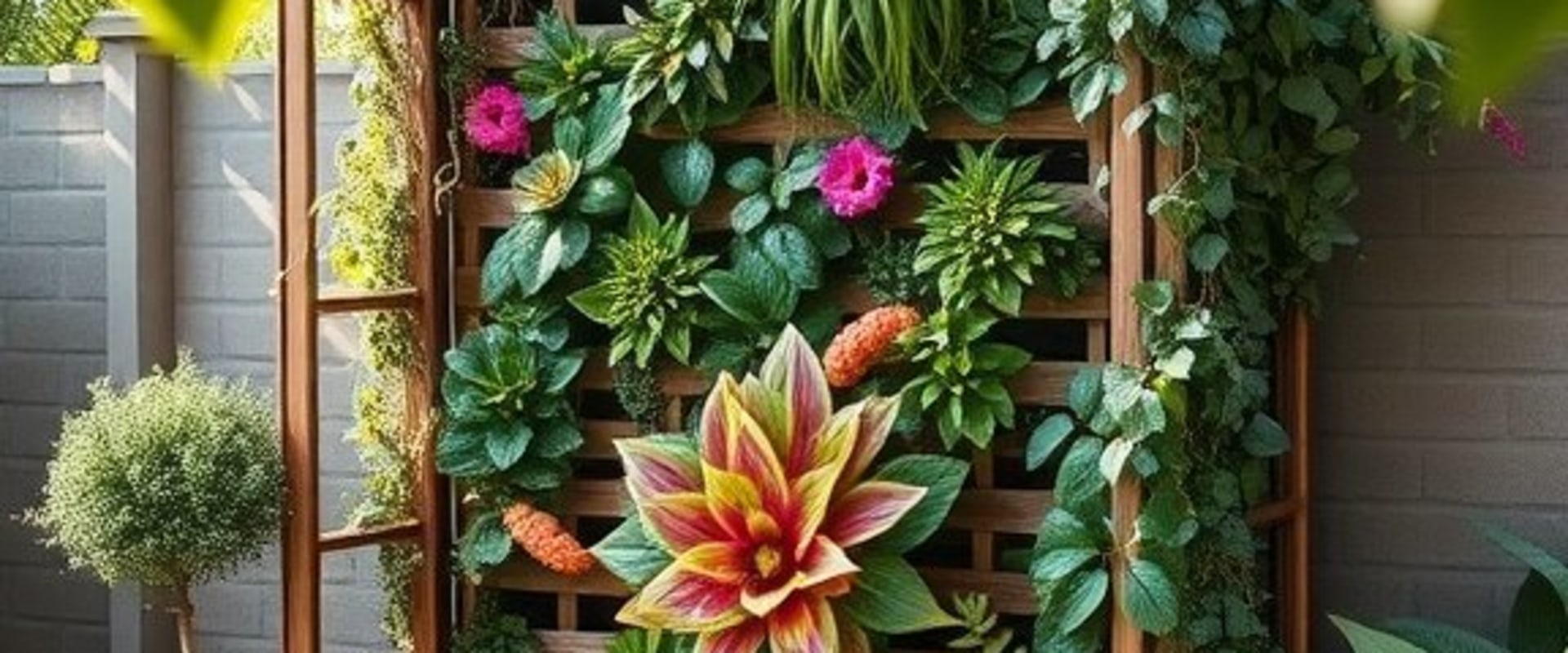
Incorporating vertical gardening techniques into your garden design can significantly enhance privacy while adding visual interest. By utilizing vertical spaces, you can create secluded areas that feel intimate and inviting.Trellises and Screens
- Trellises are an excellent way to support climbing plants, which can act as natural privacy screens. Consider using fast-growing vines like clematis or honeysuckle that not only provide coverage but also add fragrance and color to your garden.
- Privacy screens, made from materials such as wood, metal, or even bamboo, can be strategically placed to block views from neighbors or passersby.
These screens can be adorned with climbing plants to soften their appearance.
Using Height in Garden Design
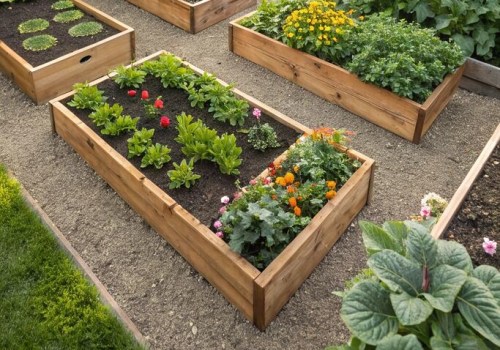
When planning your garden layout, think about how you can use height to your advantage. Incorporating raised beds or tall planters can create layers in your garden, drawing the eye upward and providing a sense of enclosure. Here are some ideas:
- Install vertical planters that allow you to grow herbs or flowers upwards, maximizing space while creating a lush backdrop.
- Use tall ornamental grasses or shrubs at the back of borders to create a natural barrier that enhances privacy without feeling imposing.
- Consider adding a green wall, which not only serves as a stunning focal point but also acts as an effective sound barrier and privacy screen.
Incorporating Water Features for Sound Privacy
Incorporating water features into your garden design can significantly enhance both the aesthetic appeal and the privacy of your outdoor space.The soothing sound of flowing water acts as a natural sound barrier, effectively masking unwanted noise from nearby streets or neighbors, creating a tranquil environment.One popular option is to install a fountain. Fountains come in various styles, from modern to classical, and can be placed strategically to direct sound away from your seating areas. The gentle trickle of water not only drowns out disruptive sounds but also adds a calming element to your garden.Ponds are another excellent choice for enhancing privacy. A well-designed pond can serve as a focal point in your garden while providing a habitat for wildlife.
The natural sounds of water lapping against the shore can create a serene atmosphere, making it easier to relax and enjoy your outdoor space.
- Considerations for Water Features:
- Location: Position your water feature near areas where you spend the most time, such as patios or seating areas, to maximize its sound-masking benefits.
- Size: Choose a size that complements your garden design; larger features may create more sound but require more maintenance.
- Maintenance: Regular upkeep is essential to keep the water clean and flowing, ensuring that it remains an attractive and functional part of your garden.
Strategic Layout and Zoning
When it comes to garden design and planning, creating a sense of privacy is essential for enhancing the enjoyment of your outdoor space. One effective way to achieve this is through strategic layout and zoning.By carefully considering the arrangement of plants, structures, and pathways, you can create secluded areas that feel intimate and inviting.
1.Utilize Natural Barriers
- Trees and Shrubs: Planting tall trees or dense shrubs along the perimeter of your garden can act as a natural screen, blocking out unwanted views and noise. Consider using evergreen varieties for year-round privacy.
- Hedges: A well-maintained hedge can serve as an effective boundary while also providing a lush backdrop for your garden. Choose species that grow thickly and can be easily shaped to maintain height.
2.Create Defined Zones
- Seating Areas: Position seating areas away from sightlines by placing them behind taller plants or structures like trellises. This not only enhances privacy but also creates cozy nooks for relaxation.
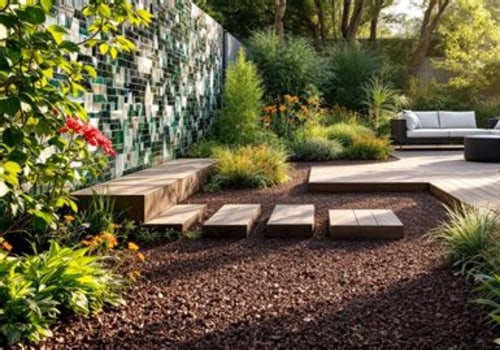
- Pathways: Design winding pathways that lead to different sections of your garden.
This not only adds visual interest but also allows for the creation of secluded spots that feel separate from the rest of the space.
3.Incorporate Vertical Elements
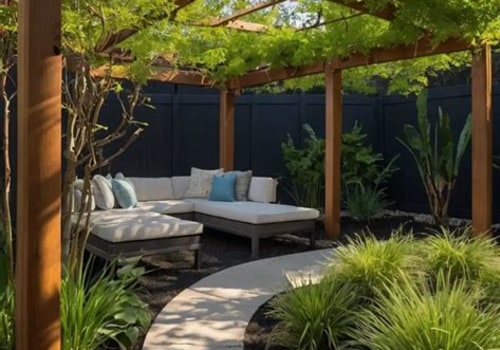
- Trellises and Arbors: These structures can be adorned with climbing plants to create vertical privacy screens. They add height to your garden design while providing a sense of enclosure.
- Fences: If local regulations allow, consider installing a fence that complements your garden's aesthetic. A solid fence can provide complete privacy, while a lattice fence allows for some visibility while still offering seclusion.
Using Outdoor Furniture and Decor Wisely
Incorporating outdoor furniture and decor into your garden design can significantly enhance the sense of privacy and create inviting, intimate spaces.Thoughtful selection and arrangement of these elements can transform your garden into a secluded retreat.
Choosing the Right Outdoor Furniture
When selecting outdoor furniture, consider pieces that not only complement your garden's aesthetic but also provide comfort and intimacy.Sectional sofas
or loveseats can be arranged to form cozy nooks, while benches placed against walls or hedges can create secluded spots for relaxation. Opt for furniture with soft, natural materials that blend seamlessly with the surrounding landscape.Strategic Arrangement for Privacy
The arrangement of your outdoor furniture plays a crucial role in establishing privacy. Here are some tips:- Create Zones: Divide your garden into distinct areas using furniture placement.
For example, position a dining table away from the main path to encourage a more private dining experience.
- Use Screens: Incorporate decorative screens or trellises behind seating areas. These not only provide visual barriers but can also support climbing plants for added greenery.
- Layering: Layer furniture with plants and decor items. For instance, placing tall potted plants around seating areas can enhance privacy while adding beauty.
Decor Ideas for Secluded Gardens
Enhancing your garden's privacy can also be achieved through thoughtful decor choices. Consider the following:- Cushions and Throws: Use soft cushions and throws in rich colors or patterns to create a warm, inviting atmosphere that encourages relaxation.
- Outdoor Rugs: An outdoor rug can define a space and make it feel more like an extension of your home, adding comfort and style.
- Lighting: Soft lighting, such as string lights or lanterns, can create a magical ambiance while also providing a sense of enclosure during evening gatherings.
FAQs About Adding Privacy to Garden Design
When it comes to garden design and planning, privacy is a key consideration for many homeowners.Here are some frequently asked questions about adding privacy to your garden:
What are effective ways to create privacy in a garden?
There are several strategies you can employ to enhance privacy in your garden:- Fencing: Installing a solid fence can provide immediate seclusion. Choose materials that complement your garden style, such as wood, vinyl, or metal.
- Hedges: Planting dense hedges or shrubs can create a natural barrier. Consider species like boxwood, privet, or leylandii for quick growth.
- Trellises and Screens: Use trellises adorned with climbing plants like jasmine or clematis to add vertical privacy without blocking light.
- Water Features: Incorporating a water feature can create a soothing atmosphere while also acting as a sound barrier from outside noise.
What are some tips for designing a private garden?
To maximize privacy in your garden design, consider the following tips:- Layering Plants: Use a mix of tall trees, medium shrubs, and low plants to create depth and conceal sightlines.
- Strategic Plant Placement: Position taller plants near the edges of your property and shorter ones closer to seating areas for optimal coverage.
- Create Zones: Designate specific areas for relaxation or entertainment that are shielded from view by using natural barriers.
What are the best plants for garden seclusion?
If you're looking for plants that provide both beauty and privacy, consider these options:- Bamboo: Fast-growing and tall, bamboo can create an effective screen but requires maintenance to control its spread.
- Evergreen Trees: Varieties like arborvitae or spruce maintain their foliage year-round, ensuring consistent privacy.
- Flowering Shrubs: Plants such as hydrangeas or lilacs not only offer seclusion but also add color and fragrance to your garden.
Conclusion: Crafting Your Private Oasis
In conclusion, creating a private oasis within your garden is not just about aesthetics; it’s about enhancing your overall well-being and enjoyment of outdoor spaces. By implementing the strategies discussed, you can transform your garden into a serene retreat that offers both beauty and seclusion. To recap, consider the following key elements in your garden design and planning:- Natural Barriers: Utilize trees, shrubs, and hedges to create natural screens that block unwanted views while adding texture and color to your landscape.
- Vertical Structures: Incorporate trellises, pergolas, or fences that not only define boundaries but also support climbing plants for added privacy.
- Water Features: The sound of water can act as a natural sound barrier, providing a soothing ambiance while masking noise from nearby streets or neighbors.
- Strategic Planting: Position taller plants or dense foliage in key areas to shield your space from prying eyes without sacrificing sunlight.
- Outdoor Furniture Placement: Arrange seating areas thoughtfully to create intimate spaces that feel secluded, encouraging relaxation and conversation.
Remember, the goal is to create an environment where you can unwind and connect with nature without feeling exposed. Embrace these strategies and start crafting your own private oasis today!.