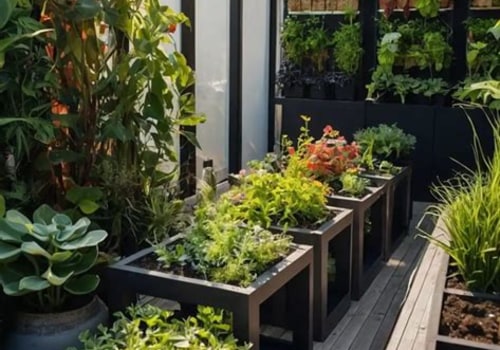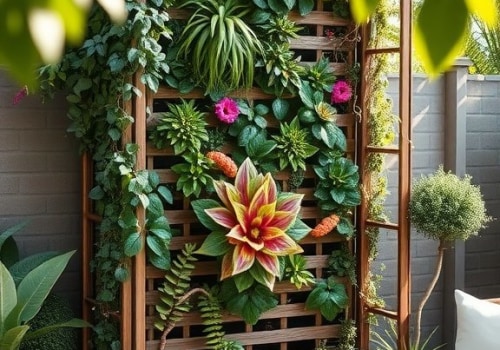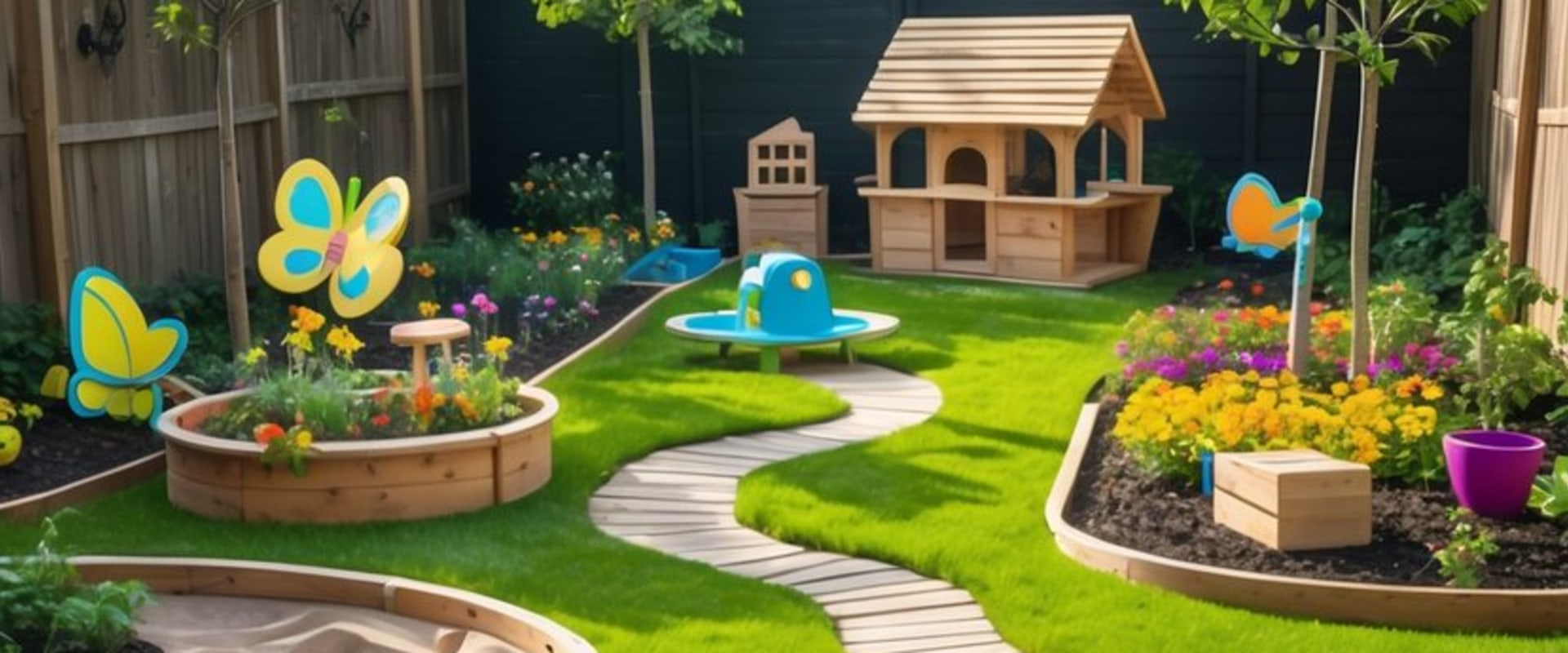
When embarking on garden design and planning, it is essential to consider the unique needs of both children and pets. These two groups often interact with outdoor spaces in ways that require careful thought and consideration. A garden designed with their safety and enjoyment in mind can become a vibrant sanctuary where they can explore, play, and learn about nature. Understanding how children and pets engage with their environment is the first step in creating a space that is not only beautiful but also functional and safe. For children, a garden should be a place of adventure and discovery.
Incorporating elements such as sensory plants, safe play areas, and interactive features can stimulate their curiosity and encourage outdoor play. Meanwhile, pets require a different approach; their safety is paramount, which means avoiding toxic plants and ensuring that the garden is secure from potential hazards. By integrating features that cater to both children’s playful spirits and pets’ natural instincts, you can create a harmonious environment that fosters joy and exploration. Moreover, safe garden design goes beyond just selecting the right plants. It involves thoughtful planning of pathways, seating areas, and even water features to ensure that they are accessible yet secure.
This section will delve deeper into the specific factors to consider when designing a garden that meets the needs of children and pets alike, ensuring that your outdoor space is both inviting and safe for all its users.
Safety First: Creating a Secure Environment
When it comes to garden design and planning for children and pets, safety should be the top priority. A well-designed garden can provide a fun and engaging space while ensuring that it remains a secure environment. One of the first steps in creating a safe garden is to choose non-toxic plants. Many common garden plants can be harmful if ingested by children or pets. For instance, plants like oleander, azalea, and lilies are known to be toxic.Instead, opt for child-friendly and pet-safe options such as:
- Sunflowers - Bright and cheerful, these are safe for both kids and pets.
- Marigolds - Not only do they add color, but they also deter pests.
- Basil - A fragrant herb that is safe and can be used in cooking.
Ensure that any gates are child-proof and that the fence is tall enough to deter pets from jumping over. Additionally, consider using natural barriers like hedges or shrubs to create defined areas within the garden. Finally, always supervise children and pets while they are in the garden. Regularly check the area for any potential hazards that may arise over time, such as fallen branches or new plants that may have been introduced. By taking these precautions, you can create a vibrant and safe outdoor space where children and pets can explore and play freely.
Choosing the Right Plants for a Family-Friendly Garden
When designing a garden that is safe and enjoyable for both children and pets, choosing the right plants is crucial.Not only should these plants be visually appealing, but they must also be non-toxic and resilient enough to withstand the playful antics of little ones and furry friends.
Best Plants for Children
- Sunflowers : These tall, cheerful flowers are not only easy to grow but also provide a fun climbing challenge for kids.
- Snapdragons : With their unique shape and vibrant colors, snapdragons can be a delightful addition to any garden. They are safe for children and can withstand some rough handling.
- Marigolds : Known for their bright colors and pest-repelling properties, marigolds are non-toxic and can add a splash of color to your garden.
Best Plants for Pets
- Catnip : A favorite among felines, catnip is safe for pets and can provide hours of entertainment.
- Spider Plant : This hardy houseplant is non-toxic to dogs and cats, making it a great choice for indoor gardens.
- Bamboo : Fast-growing and sturdy, bamboo can create a fun play area for pets while being safe for them to chew on.
Non-Toxic Plants to Consider
When selecting plants, always prioritize non-toxic options. Here are some additional plants that are safe for both children and pets:- Pansies : These colorful flowers are not only beautiful but also completely safe for kids and pets.
- Herbs like Basil and Mint : These aromatic plants can be used in cooking while being safe for curious hands and paws.
- Petunias : Another vibrant flower that adds color without the worry of toxicity.
Designing Play Areas: Fun and Functional Spaces
When it comes to garden design and planning for children and pets, creating designated play areas is essential.These spaces should be both fun and functional, ensuring safety while encouraging exploration and play.
1.Safety First
- Choose soft ground cover materials such as grass, mulch, or rubber mats to cushion falls.
- Avoid sharp edges and toxic plants; opt for rounded furniture and non-toxic greenery.
- Install secure fencing to keep pets contained and children safe from wandering off.
2.Engaging Features
- Incorporate climbing structures, slides, or swings that are age-appropriate for children.
- Create sensory gardens with different textures, colors, and scents to stimulate curiosity.
- Designate a space for pets with agility equipment or a digging area to keep them entertained.
3.Multi-Functional Spaces
- Consider a sandbox that can double as a pet-friendly digging area when supervised.
- Use raised garden beds that are accessible for children while keeping plants safe from pets.
- Create shaded areas with benches where parents can relax while watching their kids play.
4.Maintenance Considerations
- Select durable materials that can withstand wear and tear from both children and pets.
- Plan for easy access to clean up after pets, ensuring hygiene in play areas.
- Incorporate native plants that require less maintenance and are safe for both kids and animals.
Incorporating Natural Elements: Water Features and Climbing Structures
When designing a garden that caters to both children and pets, incorporating natural elements such as water features and climbing structures can significantly enhance the play experience while ensuring safety. These elements not only provide entertainment but also promote physical activity and interaction with nature.Water Features in Gardens
Water features can be a delightful addition to any garden, offering sensory experiences for children and pets alike. Consider the following options:- Shallow Ponds: A shallow pond can be a safe place for children to explore and for pets to cool off. Ensure that the edges are gently sloped to prevent accidents.
- Fountains: Small, pet-friendly fountains can provide a source of fresh water for pets while creating a soothing ambiance.
Look for designs that minimize splashing to keep the area tidy.
- Water Play Areas: Incorporating splash pads or small water play areas can offer endless fun for kids. Use non-slip surfaces around these areas to enhance safety.
Climbing Structures for Kids
Climbing structures are essential for encouraging physical activity and imaginative play. When selecting climbing structures, consider:- Material Safety: Choose structures made from durable, non-toxic materials that can withstand rough play. Wooden structures should be treated with child-safe finishes.
- Height and Stability: Ensure that climbing structures are low enough to prevent serious falls but high enough to provide excitement.
Secure them firmly to the ground to avoid tipping.
- Integrated Features: Look for climbing structures that include slides, tunnels, or swings, which can enhance play opportunities and keep children engaged.
Maintaining a Healthy Garden Environment
Creating a garden that is safe and enjoyable for children and pets requires careful garden design and planning, but it doesn't stop there. Maintaining a healthy garden environment is crucial to ensure that it remains a safe haven for your loved ones. Here are some essential tips to consider:Organic Gardening Practices
Utilizing organic gardening methods is one of the best ways to maintain a safe environment.This means avoiding synthetic pesticides and fertilizers that can be harmful to children and pets. Instead, opt for natural alternatives such as:
- Compost: Enrich your soil with homemade compost to provide nutrients without chemicals.
- Natural Pest Deterrents: Use neem oil or insecticidal soap to manage pests without toxic substances.
- Beneficial Insects: Encourage ladybugs and lacewings, which naturally control pest populations.
Pest Control Strategies
Effective pest control is essential in maintaining a healthy garden. Here are some strategies that are safe for children and pets:- Physical Barriers: Use row covers or nets to protect plants from pests while keeping your garden chemical-free.
- Companion Planting: Planting certain species together can deter pests naturally. For example, marigolds can repel nematodes.
- Regular Monitoring: Keep an eye on your plants for early signs of pest infestations, allowing for quick intervention.
Garden Maintenance Tips
A well-maintained garden not only looks beautiful but also promotes a healthy environment.Here are some maintenance tips:
- Regular Watering: Ensure your plants receive adequate water, especially during dry spells, but avoid overwatering to prevent mold and mildew.
- Weed Control: Regularly remove weeds by hand or use mulch to suppress their growth without chemicals.
- Soil Health: Test your soil periodically to ensure it has the right pH and nutrient levels for optimal plant growth.
Creating Sensory Experiences: Engaging All Senses in the Garden
Designing a garden that engages the senses can create a magical space for both children and pets. A sensory garden is not just visually appealing; it also stimulates sound, touch, taste, and smell, making it an enriching environment for exploration and play.Visual Appeal
- Incorporate a variety of colorful plants, such as bright flowers and foliage, to capture attention.
- Use different heights and textures in your plant selection to create visual interest.
- Add decorative elements like colorful garden art or whimsical sculptures that can intrigue young minds.
Sound Elements
- Introduce plants that rustle in the wind, such as bamboo, to create soothing sounds.
- Add water features like a small fountain or birdbath to attract birds and provide gentle background noise.
- Consider wind chimes or musical instruments made for outdoor use to engage children’s auditory senses.
Tactile Experiences
- Select plants with varying textures, such as the soft leaves of lamb's ear or the prickly surface of cacti.
- Create pathways using different materials like gravel, wood chips, or stepping stones for varied tactile experiences underfoot.
- Add sensory play areas with sand or soil where children can dig and explore.
Taste and Smell
- Incorporate edible plants like herbs (e.g., basil, mint) and fruits (e.g., strawberries) that children can taste and learn about.
- Choose fragrant flowers such as lavender or jasmine to enhance the olfactory experience.
- Create a small herb garden where kids can engage in cooking activities, fostering a connection between gardening and food.
FAQs About Designing Gardens for Children and Pets
Designing a garden that is safe and enjoyable for both children and pets involves careful consideration of various factors.Here are some frequently asked questions that can guide you in your garden design and planning process.
What plants are safe for children and pets?
When selecting plants, it’s crucial to choose varieties that are non-toxic. Some safe options include:- Sunflowers - Bright and cheerful, these are safe for kids and pets.
- Marigolds - These vibrant flowers can deter pests while being safe.
- Herbs like basil and mint - Not only safe but also useful in the kitchen!
How can I create a safe play area?
To ensure a secure environment for children and pets, consider the following:- Fencing: Install a sturdy fence to keep pets contained and children safe from wandering off.
- Soft surfaces: Use mulch or grass in play areas to cushion falls.
- Shade: Incorporate shaded spots with trees or umbrellas to protect from sun exposure.
What features should I include for engagement?
A garden can be a wonderful place for exploration. Here are some engaging features:- Interactive elements: Consider adding a sandbox or water feature for sensory play.
- Paths: Create winding paths with stepping stones to encourage exploration.
- Gardening space: Designate an area where children can plant their own flowers or vegetables, fostering responsibility and learning.
Conclusion: Key Takeaways for Family-Friendly Garden Design
In conclusion, designing a garden that is both safe and engaging for children and pets requires careful consideration of several key factors. By prioritizing garden design and planning that caters to the needs of your family, you can create a vibrant outdoor space that fosters creativity, exploration, and play.- Safety First: Always choose non-toxic plants and materials.
Avoid thorny bushes or poisonous flowers to ensure a safe environment for curious little hands and paws.
- Defined Spaces: Create distinct areas within the garden for different activities. Designate zones for play, relaxation, and gardening to help children and pets understand where they can safely roam.
- Durable Materials: Use sturdy, weather-resistant materials for pathways and furniture. This not only enhances the longevity of your garden but also ensures it can withstand the wear and tear from playful pets and children.
- Interactive Elements: Incorporate features like sandboxes, water play areas, or climbing structures. These elements encourage active engagement and provide endless opportunities for fun.
- Visibility: Ensure that sightlines are clear throughout the garden.
This allows parents to easily supervise their children and pets while they explore.