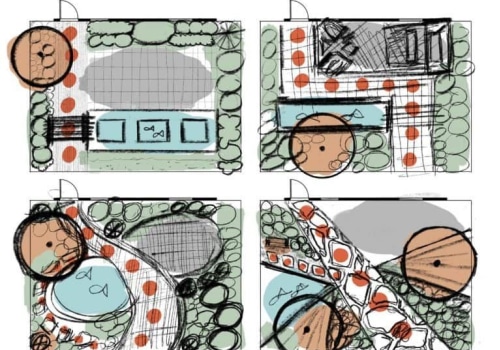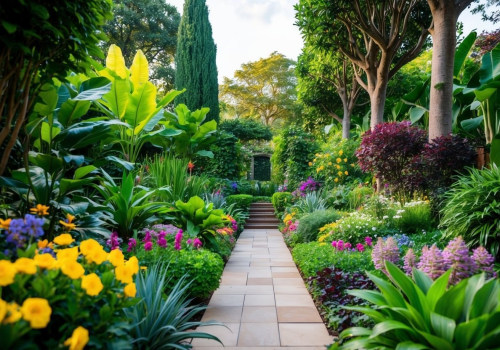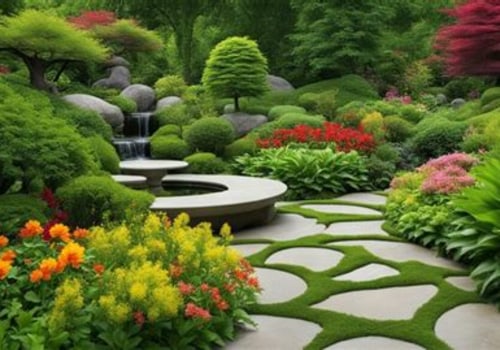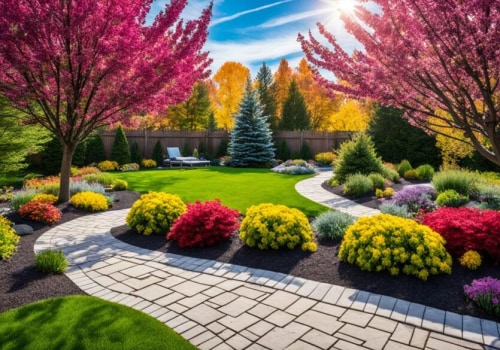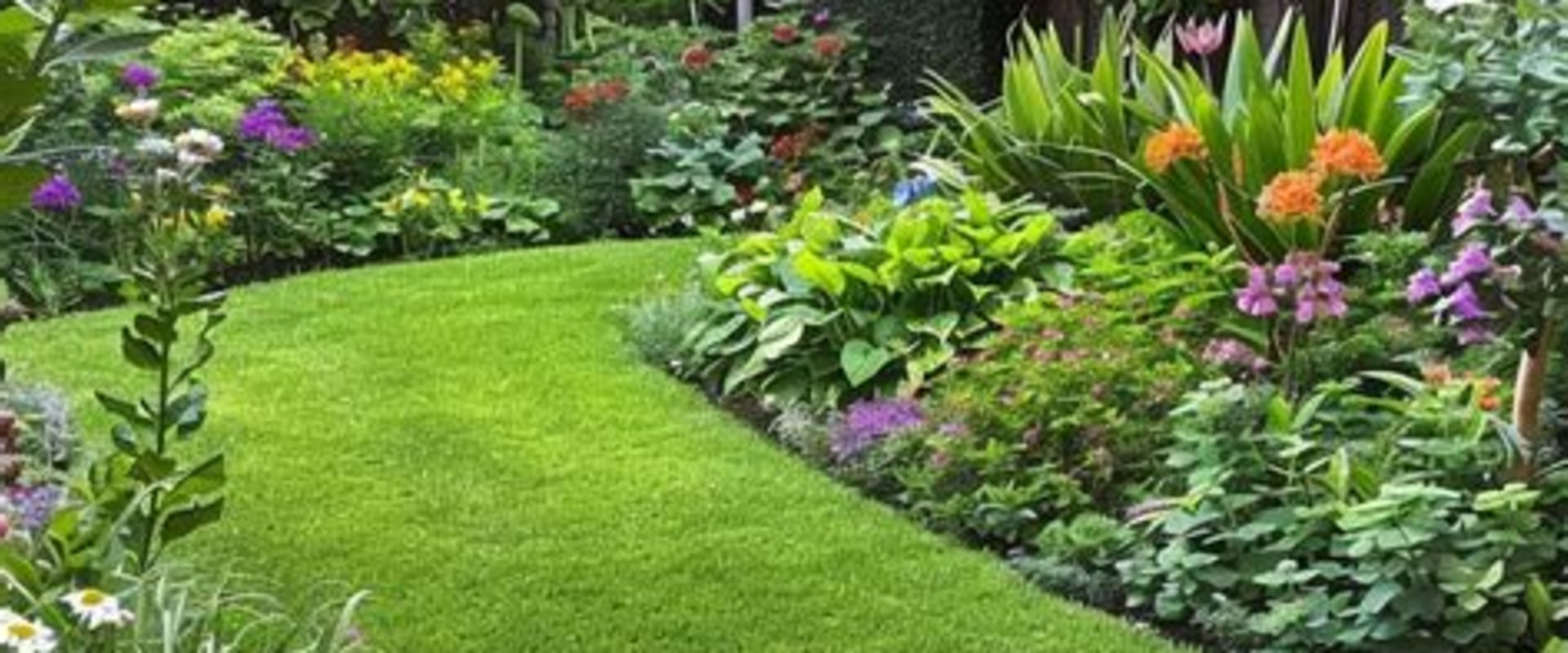
Creating a low-maintenance lawn is an essential aspect of effective garden design and planning. As homeowners increasingly seek to balance aesthetics with practicality, the demand for lawns that require minimal upkeep has surged. A low-maintenance lawn not only conserves time and resources but also contributes to a more sustainable gardening approach. By understanding the principles behind these lawns, you can design a garden that thrives with less effort. At its core, a low-maintenance lawn is characterized by its resilience and adaptability.
This means selecting the right types of grass that are well-suited to your local climate and soil conditions. For instance, native grasses often require less water and fertilizer, making them an excellent choice for eco-conscious gardeners. Additionally, incorporating drought-resistant plants and ground covers can further reduce the need for frequent mowing and watering, allowing your garden to flourish with minimal intervention. Moreover, effective lawn care tips play a crucial role in maintaining a low-maintenance lawn. Techniques such as proper mowing height, strategic watering schedules, and organic fertilization can significantly enhance the health of your lawn while reducing labor.
By embracing these concepts in your garden design, you not only create a visually appealing landscape but also foster an environment that supports biodiversity and reduces environmental impact.
Choosing the Right Grass Type
When it comes to garden design and planning, selecting the right grass type is crucial for achieving a low-maintenance lawn. The ideal grass not only enhances the aesthetic appeal of your garden but also minimizes upkeep. Here are some grass types that are particularly well-suited for low-maintenance lawns:- Buffalo Grass: This native grass is known for its drought resistance and ability to thrive in various soil types. It requires minimal watering and mowing, making it an excellent choice for a low-maintenance lawn.
- Zoysia Grass: Zoysia is another hardy option that grows well in warm climates.
It has a dense growth habit that helps suppress weeds, reducing the need for herbicides.
- Fescue Grass: Tall fescue is particularly popular for its adaptability to different environments. It has deep roots that allow it to withstand drought conditions, making it a practical choice for homeowners looking to minimize water usage.
- Bermudagrass: Ideal for sunny areas, Bermudagrass establishes quickly and requires less maintenance once established. It’s perfect for lawns that see heavy foot traffic.
When planning your garden, think about how these grasses will fit into the larger picture:
- Layering: Use different grass types in layers or zones based on sunlight and moisture levels in your garden.
- Color and Texture: Combine grasses with varying colors and textures to create visual interest while maintaining low maintenance.
- Native Plants: Pair your chosen grasses with native plants that require less water and care, enhancing biodiversity in your garden.
Soil Preparation and Health
Creating a low-maintenance lawn begins with understanding the importance of soil preparation and health. Healthy soil is the foundation of a thriving garden, and it significantly reduces the need for ongoing maintenance. Here are some essential tips to ensure your soil is ready for a low-maintenance lawn.Test Your Soil
The first step in soil preparation is to conduct a soil test. This will help you understand the pH level and nutrient content of your soil.Many local extension services offer testing kits, or you can purchase one from a garden center. Knowing your soil's composition allows you to make informed decisions about amendments.
Amend Your Soil
Based on the results of your soil test, you may need to amend your soil to improve its quality. Common amendments include:- Compost: Adding organic matter improves soil structure, enhances nutrient availability, and promotes beneficial microbial activity.
- Lime: If your soil is too acidic, applying lime can help raise the pH to a more neutral level, which is ideal for most grass types.
- Fertilizers: Use slow-release fertilizers that provide nutrients over time, reducing the frequency of application.
Improve Drainage
Poor drainage can lead to waterlogged soil, which is detrimental to grass health. To improve drainage:- Add organic matter such as compost or well-rotted manure to enhance soil structure.
- Create raised beds or slopes if necessary to facilitate water runoff.
Maintain Soil Health
Once your lawn is established, maintaining soil health is crucial for minimizing maintenance.Consider these practices:
- Mulching: Apply a layer of mulch around garden beds to retain moisture and suppress weeds.
- Aeration: Aerate your lawn annually to relieve compaction and improve air and water penetration.
- Crop Rotation: If you have garden beds, practice crop rotation to prevent nutrient depletion and pest buildup.
Efficient Watering Techniques
Creating a low-maintenance lawn requires careful consideration of efficient watering techniques and irrigation systems. By implementing the right strategies, you can conserve water while ensuring your lawn remains healthy and vibrant.1.Drip Irrigation Systems
- Drip irrigation delivers water directly to the roots of plants, minimizing evaporation and runoff.
- This system is particularly effective for garden beds and can be adapted for lawns by using soaker hoses.
- By using a timer, you can automate watering schedules, ensuring consistent moisture without daily oversight.
2.Smart Irrigation Controllers
- Smart controllers adjust watering schedules based on weather conditions, soil moisture levels, and plant needs.
- These systems can significantly reduce water usage by preventing overwatering during rainy periods.
- Many smart controllers can be managed via smartphone apps, providing convenience and control from anywhere.
3.Watering Techniques
- Deep and Infrequent Watering: Watering deeply encourages roots to grow deeper into the soil, making the lawn more drought-resistant.
- Water Early or Late: Watering in the early morning or late evening reduces evaporation losses compared to midday watering.
- Use a Rain Gauge: Monitoring rainfall helps you adjust your watering schedule, ensuring you only water when necessary.
4.Mulching and Ground Covers
- Applying mulch around plants helps retain soil moisture and reduces the need for frequent watering.
- Consider using drought-resistant ground covers that require less water than traditional grass lawns.
Incorporating Native Plants and Xeriscaping
Creating a low-maintenance lawn in your garden design can be significantly enhanced by incorporating native plants and applying xeriscaping principles.Native plants are those that naturally occur in your region and have adapted to the local climate, soil, and pests. This adaptation means they typically require less water, fertilizer, and maintenance compared to non-native species.
Benefits of Native Plants:
- Water Efficiency: Native plants are well-suited to local rainfall patterns, reducing the need for supplemental irrigation.
- Soil Adaptation: They thrive in local soil conditions, minimizing the need for soil amendments.
- Pest Resistance: Native plants attract beneficial insects and pollinators, which can help control pest populations naturally.
Xeriscaping Principles:
Xeriscaping is a landscaping method designed to reduce or eliminate the need for irrigation. Here are some key principles to follow:
- Planning and Design: Create a landscape plan that groups plants with similar water needs together.
- Soil Improvement: Enhance soil quality with organic matter to improve water retention.
- Efficient Irrigation: Use drip irrigation systems or soaker hoses to deliver water directly to the roots of plants.
- Mulching: Apply mulch around plants to retain moisture, suppress weeds, and regulate soil temperature.
- Plant Selection: Choose drought-tolerant plants that can thrive in your climate without excessive watering.
This approach not only conserves water but also promotes biodiversity and supports local ecosystems.
Mulching and Ground Covers
Creating a low-maintenance lawn in your garden design can be significantly enhanced through the use of mulching and ground covers. These techniques not only reduce the need for frequent lawn care but also contribute to the overall aesthetic appeal of your outdoor space.Benefits of Mulching
- Weed Suppression: A thick layer of mulch can effectively block sunlight, preventing weed seeds from germinating and reducing the time spent on weeding.
- Moisture Retention: Mulch helps retain soil moisture, which means less frequent watering is required, especially during hot summer months.
- Soil Temperature Regulation: By insulating the soil, mulch keeps it cooler in summer and warmer in winter, promoting healthier plant growth.
- Nutrient Enrichment: Organic mulches break down over time, adding valuable nutrients back into the soil and improving its structure.
Choosing Ground Cover Plants
Incorporating ground cover plants into your garden design is another effective strategy for minimizing maintenance. These plants spread across the ground, filling in spaces where grass might typically grow. Here are some popular options:
- Creeping Thyme: This aromatic herb is drought-resistant and produces lovely purple flowers, attracting pollinators.
- Ajuga (Bugleweed): Known for its vibrant foliage and blue flower spikes, Ajuga thrives in both sun and shade.
- Pachysandra: Ideal for shady areas, this evergreen ground cover provides year-round greenery with minimal upkeep.
- Sedum: These succulent plants are perfect for rock gardens or dry areas, requiring very little water once established.
This approach not only saves you time but also enhances the ecological health of your garden by promoting biodiversity and reducing water usage.
Regular Maintenance Tips for Longevity
To ensure the longevity and health of your low-maintenance lawn, establishing a lawn maintenance schedule is crucial. This schedule should be tailored to your specific climate and grass type, but here are some general tips to keep in mind:- Mowing: Regular mowing is essential, but it doesn’t have to be frequent. Aim to mow your lawn every 2-4 weeks, depending on growth. Keep the mower blades sharp and set at a height that allows the grass to thrive without becoming overgrown.
- Watering: Deep, infrequent watering encourages deep root growth.
Water your lawn once a week, providing about 1 inch of water each time. Early morning is the best time to water, reducing evaporation and fungal diseases.
- Fertilizing: Use a slow-release fertilizer in the spring and fall. This will provide nutrients over time without overwhelming the grass. Look for organic options that promote soil health.
- Weed Control: A healthy lawn naturally suppresses weeds.
However, if they do appear, consider using mulch or hand-pulling as a low-maintenance method of control. Avoid chemical herbicides whenever possible.
- Pest Management: Monitor for pests regularly. If you notice any signs of infestation, use natural remedies or consult with a local garden center for advice on low-impact solutions.
- Choose the Right Grass Type: Select drought-resistant and disease-resistant grass varieties suitable for your region.
- Use Ground Covers: Incorporate ground covers in areas where grass struggles to grow. They require less maintenance and add visual interest.
- Aerate Your Lawn: Aerating once a year helps improve soil compaction and promotes better water absorption.
Common Mistakes to Avoid in Low-Maintenance Lawn Design
When it comes to low-maintenance lawn design, avoiding common pitfalls can significantly enhance the overall success of your garden.Here are some frequent mistakes to watch out for:
- Choosing the Wrong Grass Type: Selecting a grass variety that requires high maintenance can lead to frustration. Opt for drought-resistant and native grasses that thrive in your local climate.
- Ignoring Soil Quality: Many gardeners overlook the importance of soil health. Conduct a soil test to determine pH and nutrient levels, and amend accordingly to create a robust foundation for your lawn.
- Overwatering: Excessive watering not only wastes resources but can also promote weed growth and disease. Implement a smart irrigation system or use rain sensors to ensure your lawn receives just the right amount of moisture.
- Neglecting Weed Control: Weeds can quickly take over a low-maintenance lawn if not managed properly.
Use mulch and ground covers to suppress weeds, and consider natural herbicides as part of your garden design.
- Forgetting About Sunlight: Different grass types have varying sunlight requirements. Ensure that the area you plan for your lawn receives adequate sunlight, or choose shade-tolerant varieties if necessary.
Conclusion: Embracing Low-Maintenance Lawn Solutions in Garden Design
In conclusion, adopting low-maintenance lawn solutions in your garden design and planning can significantly enhance both the aesthetic appeal and functionality of your outdoor space. By implementing the strategies discussed, you can create a beautiful landscape that requires minimal upkeep, allowing you to enjoy your garden without the constant burden of maintenance.One of the most effective approaches is to select drought-resistant plants and native grasses that thrive in your local climate. These plants not only reduce water consumption but also promote biodiversity, attracting beneficial wildlife to your garden.Additionally, incorporating mulching techniques can help retain soil moisture and suppress weeds, further decreasing the need for regular care.Utilizing hardscaping elements, such as pathways and patios, can also minimize lawn areas while adding structure and visual interest to your garden. This not only reduces the amount of grass that needs mowing but also creates inviting spaces for relaxation and entertainment.Moreover, consider implementing an efficient irrigation system, such as drip irrigation or smart controllers, to ensure that your plants receive the right amount of water without waste. This technology not only conserves water but also simplifies the watering process, making it easier to maintain a healthy garden.Ultimately, embracing these low-maintenance solutions in your garden design will lead to a more sustainable and enjoyable outdoor environment. By prioritizing ease of care alongside beauty, you can create a space that reflects your personal style while allowing you to spend more time enjoying it rather than maintaining it.