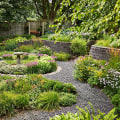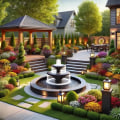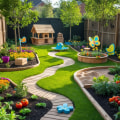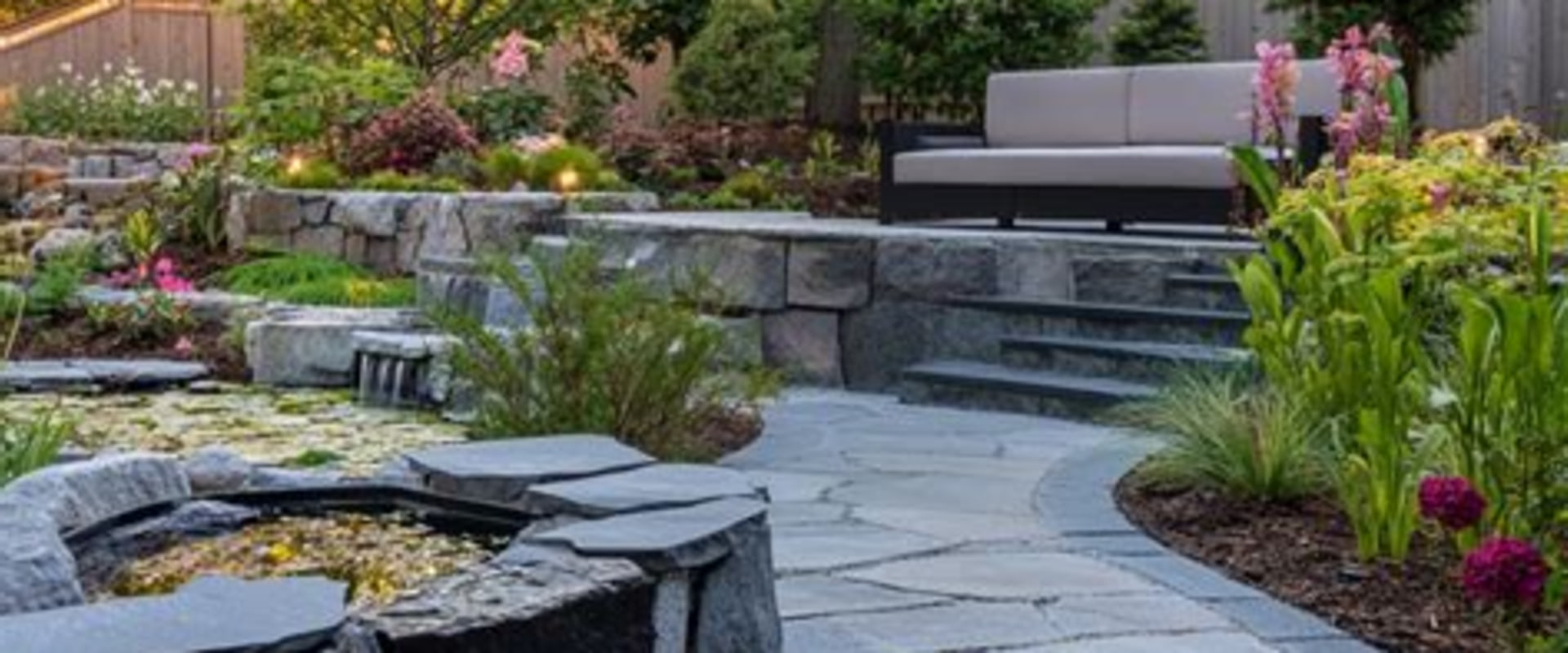
When it comes to garden design and planning, understanding the role of hardscaping is essential for creating a balanced and functional outdoor space. Hardscaping refers to the non-plant elements of landscape design, including features such as patios, walkways, retaining walls, and decorative stones. These elements not only provide structure and organization to your garden but also serve practical purposes, enhancing the overall aesthetic appeal. The benefits of incorporating hardscaping into your garden design are numerous. For one, hardscaping materials are typically durable and require minimal maintenance compared to their soft counterparts.
This means that once installed, features like stone pathways or wooden decks can withstand the test of time without the need for constant upkeep. Additionally, hardscaping can help manage water drainage and soil erosion, making it a practical choice for gardens in areas prone to heavy rainfall. It's important to differentiate between hardscaping and softscaping, which involves the living elements of your garden, such as plants, trees, and flowers. While softscaping adds color and life to your outdoor space, hardscaping provides the necessary framework that supports these living elements. By thoughtfully integrating both hardscaping and softscaping into your garden design, you can create a harmonious environment that is not only visually appealing but also functional and sustainable.
Key Hardscaping Elements to Consider
When it comes to garden design and planning, incorporating hardscaping elements can significantly enhance both the functionality and aesthetic appeal of your outdoor space.Here are some key hardscaping elements to consider:
- Patios: A well-designed patio serves as a perfect gathering spot for family and friends. Materials like natural stone, concrete, and brick offer durability and a variety of styles to match your garden's theme.
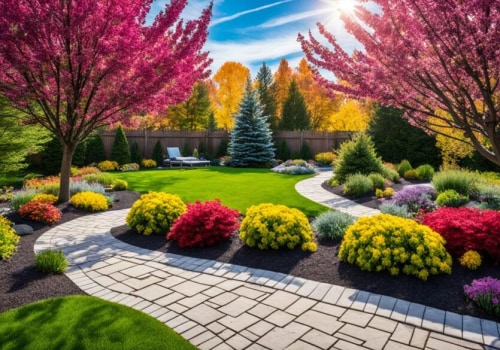
- Walkways: Pathways guide visitors through your garden while adding structure. Options such as gravel, pavers, and flagstone can create inviting routes that complement your plantings.
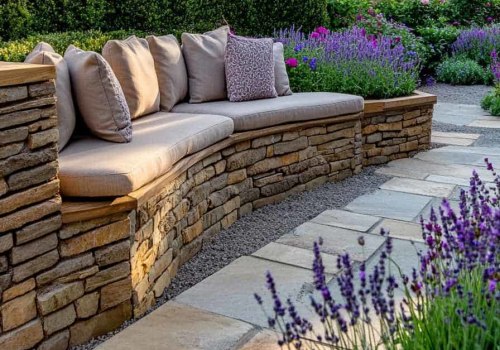
- Retaining Walls: These structures not only prevent soil erosion but also create tiered garden beds, adding depth to your landscape. Materials like timber, concrete blocks, and stone can be used to achieve different looks.
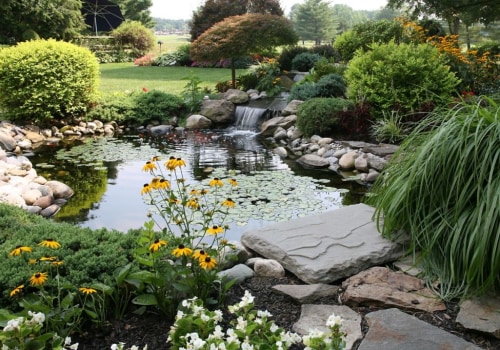
- Water Features: Incorporating elements like ponds, fountains, or waterfalls can introduce a soothing ambiance.
Natural stones or pre-formed liners are popular choices for creating these features.
Popular hardscape features
, such as outdoor kitchens or fire pits, can extend the usability of your garden space. These elements encourage outdoor living and can be designed to harmonize with the natural surroundings, making them an integral part of your overall garden design.In summary, integrating hardscaping elements into your garden design not only enhances its beauty but also improves its functionality.
By carefully selecting materials and features that align with your vision, you can create a cohesive outdoor environment that reflects your personal style.
Designing with Hardscaping: Tips and Techniques
Integrating hardscaping elements into your garden design and planning can significantly enhance the aesthetic appeal and functionality of your outdoor space. Here are some practical tips to help you effectively incorporate hardscape into your garden layout.1.Define Your Space
Start by clearly defining the areas within your garden. Use hardscaping materials like stone pathways, patios, or retaining walls to create distinct zones for different activities, such as dining, relaxing, or gardening. This not only organizes your space but also adds visual interest.2.Choose Complementary Materials
Select hardscaping materials that complement the natural elements of your garden.For instance, if you have a lot of greenery, consider using natural stone or wood for a harmonious look. Conversely, sleek materials like concrete or metal can provide a modern contrast to softer plants.
3.Create Visual Flow
Ensure that there is a smooth transition between hardscape and softscape elements. Use curves in pathways or borders to guide the eye through the garden. Incorporate plants that spill over hard surfaces, such as creeping thyme on stone paths, to soften the edges and create a cohesive look.4.Consider Color Schemes
Your choice of colors in hardscaping can greatly influence the overall mood of your garden.Neutral tones like beige or gray can provide a calming backdrop, while vibrant tiles or painted fences can add pops of color. Always consider how these colors will interact with your plant selections.
5.Balance Hardscape and Softscape
A successful garden design balances hardscape and softscape elements. Avoid overwhelming your garden with too much hardscaping; instead, allow for ample planting areas that can thrive alongside your hardscape features. This balance creates a more inviting and livable space.6.Plan for Maintenance
When designing with hardscaping, think about maintenance requirements.Choose durable materials that withstand weather conditions and require minimal upkeep. Additionally, ensure that your layout allows for easy access to plants for watering and care.By thoughtfully integrating hardscaping into your garden design and planning, you can create a beautiful and functional outdoor environment that enhances both aesthetics and usability.
Creating Functional Spaces with Hardscaping
Incorporating hardscaping elements into your garden design can significantly enhance the functionality of your outdoor spaces. By strategically planning these elements, you can create areas that cater to various activities, making your garden not just visually appealing but also practical for everyday use.Outdoor Living Areas
- Dining Areas: Designate a space for outdoor dining by using materials like stone or pavers to create a patio. This area can be furnished with a table and chairs, allowing for alfresco meals and gatherings.
- Fire Pits: A fire pit serves as a focal point for socializing.
Surround it with comfortable seating, such as benches or lounge chairs, to encourage relaxation and conversation during cooler evenings.
- Relaxation Zones: Incorporate hardscaping features like pathways or terraces that lead to secluded spots in your garden. Add benches or hammocks to these areas for quiet retreats where you can unwind amidst nature.
Use solar lights along pathways or install overhead lighting in dining areas to create an inviting atmosphere.Ultimately, the key to successful garden design and planning lies in creating spaces that are not only beautiful but also serve specific purposes. By thoughtfully incorporating hardscaping elements, you can transform your garden into a versatile outdoor living area that meets your lifestyle needs.
Maintenance Considerations for Hardscaped Areas
When incorporating hardscaping elements into your garden design and planning, it’s essential to consider the maintenance needs of these materials to ensure their longevity and aesthetic appeal. Different hardscape materials require varying levels of care, and understanding these requirements can help you make informed decisions.Cleaning and Upkeep
Regular cleaning is crucial for maintaining the appearance of hardscaped areas. Here are some tips:- Stone and Pavers: Use a pressure washer or a stiff broom to remove dirt and debris.
For stubborn stains, a mixture of water and mild detergent can be effective.
- Concrete: Seal concrete surfaces every few years to prevent staining and cracking. Regularly sweep and wash with a hose to keep it looking fresh.
- Wood: If your hardscape includes wooden elements, such as decks or fences, apply a wood preservative annually to protect against rot and insect damage.
Seasonal Maintenance
Different seasons bring unique challenges for hardscape maintenance:- Spring: Inspect for winter damage, clean surfaces, and apply sealants where necessary.
- Summer: Keep an eye on weeds that may sprout in cracks; use a weed killer or pull them out manually.
- Fall: Clear leaves and debris to prevent mold growth and staining.
- Winter: Use sand or salt sparingly on walkways to avoid damage from ice; consider using a snow blower instead of shovels to protect surfaces.
Longevity of Hardscape Materials
The longevity of your hardscaping elements largely depends on the materials chosen and the care they receive. For instance:- Natural Stone: With proper sealing and maintenance, natural stone can last for decades.
- Pavers: High-quality pavers are durable but should be regularly maintained to prevent shifting and cracking.
- Concrete: While concrete is robust, it can crack over time if not properly sealed and maintained.
Common Mistakes to Avoid in Hardscape Design
When incorporating hardscaping elements into your garden design, avoiding common mistakes can significantly enhance the overall aesthetic and functionality of your outdoor space. Here are some pitfalls to watch out for:- Neglecting Scale and Proportion: One of the most frequent errors in hardscape design is failing to consider the scale of hardscaping elements in relation to the garden.
Oversized patios or walkways can overwhelm a small garden, while tiny features may get lost in a larger landscape. Always measure your space and choose elements that complement the existing plants and structures.
- Ignoring Drainage: Proper drainage is crucial in any garden planning. Poorly designed hardscaping can lead to water pooling, which can damage both hardscape and plant life. Ensure that surfaces slope away from structures and incorporate drainage solutions like gravel beds or French drains.
- Overlooking Maintenance: Some materials may look appealing but require extensive upkeep.
For instance, natural stone may need sealing, while certain pavers can become slippery when wet. Choose materials that fit your lifestyle and maintenance preferences.
- Inadequate Planning for Plant Integration: Hardscaping should not exist in isolation. Failing to plan for plant integration can result in a stark contrast between hardscape and softscape. Consider how plants will interact with hardscaping elements, using them to soften edges and create visual interest.
- Forgetting About Functionality: A beautiful hardscape is useless if it doesn’t serve a purpose.
Think about how you will use the space—whether for entertaining, relaxing, or gardening—and design accordingly. Include features like seating areas, pathways, or fire pits that enhance usability.
FAQs About Hardscaping in Garden Design
When it comes to garden design and planning, many homeowners have questions about how to effectively incorporate hardscaping elements. Here are some frequently asked questions that can help clarify your understanding:- What is hardscaping? Hardscaping refers to the non-plant elements of landscape design, such as patios, walkways, retaining walls, and other structures. These features provide structure and functionality to your garden.
- How does hardscaping enhance my garden? By integrating hardscaping, you can create defined spaces for relaxation, entertainment, and navigation.
It also helps manage water drainage and soil erosion, making your garden more sustainable.
- What materials are commonly used in hardscaping? Popular materials include stone, brick, concrete, and wood. Each material offers a different aesthetic and functional benefit, so consider your overall garden theme when selecting.
- Can hardscaping be used in small gardens? Absolutely! In fact, well-planned hardscaping can make a small garden feel larger by creating visual interest and functional areas without overcrowding.
- How do I choose the right hardscaping elements for my garden? Start by assessing your garden's purpose. Consider factors like traffic flow, seating areas, and visual appeal. Consulting with a landscape designer can also provide valuable insights tailored to your space.
Remember that balance is key; too much hardscape can overwhelm plants, while too little may not provide the structure you need.If you have more specific questions or need expert advice on hardscaping for your garden design, don't hesitate to reach out to professionals who can guide you through the process.