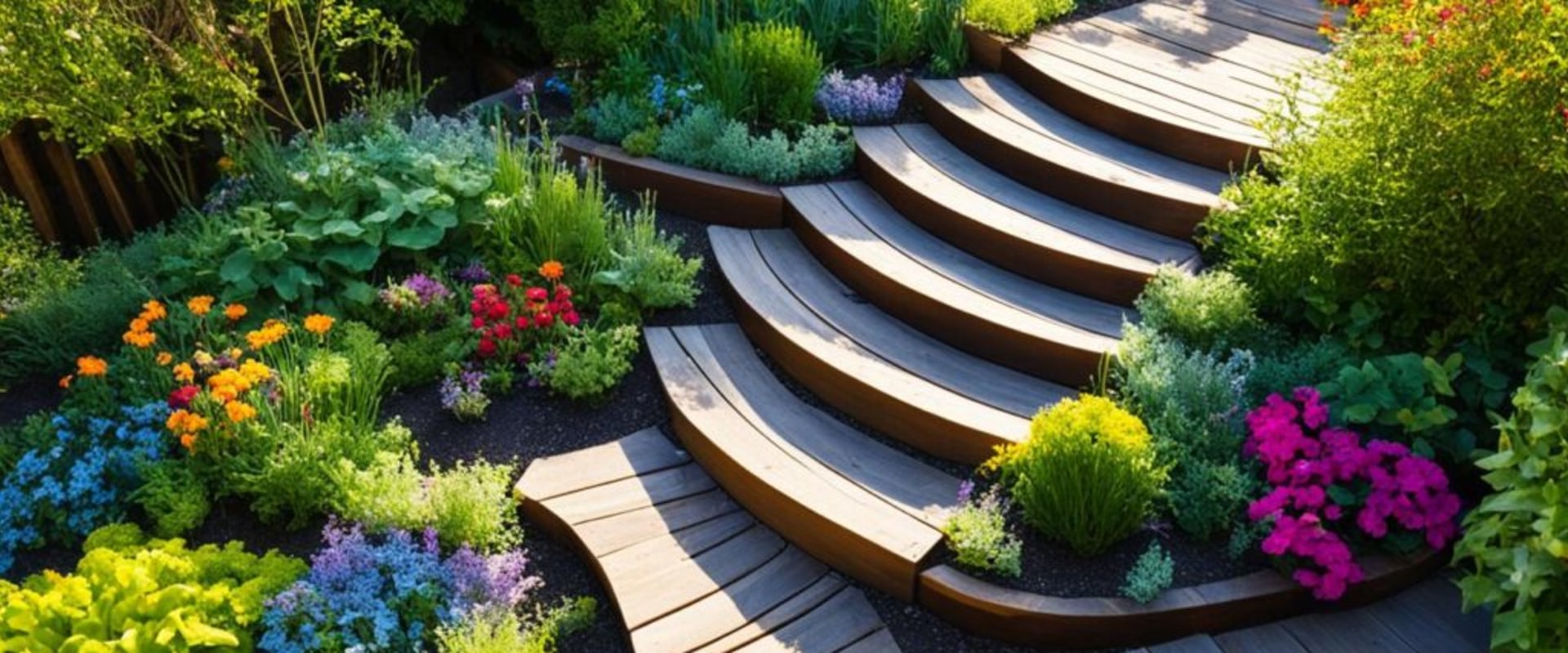
Creating a garden that is both functional and aesthetically pleasing requires a solid understanding of garden design principles. These principles serve as the foundation for any successful garden layout, guiding you in making choices that enhance both the beauty and usability of your outdoor space. Key concepts such as balance, proportion, and unity play a crucial role in achieving a harmonious design. Balance refers to the visual weight of elements within the garden; it can be symmetrical or asymmetrical, depending on the desired effect.
A well-balanced garden feels stable and inviting, drawing the eye naturally across the landscape. Proportion is another essential principle that dictates how different elements relate to one another in size and scale. For instance, large trees should be complemented by smaller shrubs and flowers to create a sense of harmony. When planning your garden, consider how each component interacts with others to maintain a cohesive look. Lastly, unity ties all elements together, ensuring that your garden tells a story or conveys a specific theme.
This can be achieved through consistent color palettes, materials, or plant types. By mastering these functional garden design principles, you can create spaces that not only serve practical purposes—like growing vegetables or providing shade—but also offer visual delight. Whether you’re designing a small urban garden or a sprawling backyard oasis, understanding these foundational concepts will empower you to make informed decisions that elevate your garden's overall appeal.
Assessing Your Space and Needs
Before diving into the exciting world of garden design and planning, it’s essential to conduct a thorough assessment of your available space and specific gardening needs. This foundational step will guide your decisions and ensure that your garden is both functional and visually appealing.Evaluating Your Garden Space
Start by measuring the dimensions of your garden area. Consider the following:- Size: How much space do you have? A small balcony will require different planning than a large backyard.
- Shape: Is your space rectangular, square, or irregular? The shape can influence layout options.
- Accessibility: Ensure that pathways are wide enough for easy movement and maintenance.
Understanding Sunlight Exposure
Sunlight is a critical factor in garden design.Observe how sunlight moves across your space throughout the day:
- Full Sun: Areas that receive at least 6-8 hours of direct sunlight are ideal for sun-loving plants.
- Partial Shade: Spaces that get 4-6 hours of sunlight can support a mix of sun and shade plants.
- Full Shade: Areas with less than 4 hours of sunlight will require shade-tolerant plants.
Assessing Soil Type
The quality of your soil plays a significant role in plant health. Conduct a simple soil test to determine:- Soil Texture: Is it sandy, clayey, or loamy? Each type has different drainage and nutrient-holding capabilities.
- pH Level: Most plants thrive in slightly acidic to neutral soil (pH 6-7). Adjustments can be made based on test results.
Identifying Personal Gardening Needs
Your gardening goals should also influence your design. Consider the following questions:- What do you want to grow? Vegetables, flowers, herbs, or a combination?
- How much time can you dedicate? Some gardens require more maintenance than others.
- Do you have any specific aesthetic preferences? Think about colors, styles, and themes that resonate with you.
Choosing the Right Plants
When it comes to garden design and planning, selecting the right plants is crucial for achieving a space that is both functional and visually appealing.Here are some essential tips to guide you in your plant selection process.
Consider Your Climate
Before choosing plants, assess your local climate. Understanding your USDA hardiness zone will help you select plants that thrive in your area. Native plants are often a great choice as they are adapted to local conditions and require less maintenance.Define Your Garden's Purpose
Think about how you want to use your garden. Are you looking for a space to entertain, grow vegetables, or create a tranquil retreat? For functional gardens, consider:- Edible plants: Incorporate herbs, vegetables, and fruit-bearing plants for a productive garden.
- Pollinator-friendly plants: Choose flowers that attract bees and butterflies to enhance biodiversity.
- Low-maintenance options: Select drought-resistant or disease-resistant varieties if you prefer a garden that requires minimal upkeep.
Aesthetic Considerations
Your garden should also reflect your personal style.Here are some tips for achieving an attractive layout:
- Color scheme: Choose a color palette that complements your home and surrounding landscape. Consider seasonal changes in color for year-round interest.
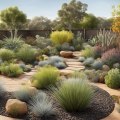
- Texture and height: Mix plants with different textures and heights to create depth and visual interest. Taller plants can serve as backdrops, while shorter ones can fill in the foreground.
- Seasonal blooms: Incorporate a variety of plants that bloom at different times of the year to ensure continuous color and interest.
Incorporating Hardscaping Elements
When planning a garden that is both functional and aesthetically pleasing, hardscaping elements play a crucial role.These features not only enhance the visual appeal of your outdoor space but also provide practical benefits that can improve the overall usability of your garden.
Garden Pathways
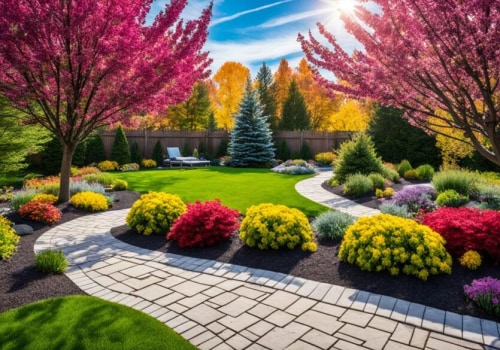
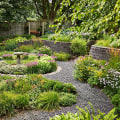
Garden pathways serve as the backbone of your landscape design, guiding visitors through your garden while protecting delicate plants from foot traffic. When designing pathways, consider materials such as stone, brick, or gravel, which can complement the natural surroundings. Curved pathways can create a sense of mystery and exploration, while straight paths offer a more formal look. Additionally, incorporating lighting along these paths can enhance safety and add ambiance during evening gatherings.Patios for Outdoor Living
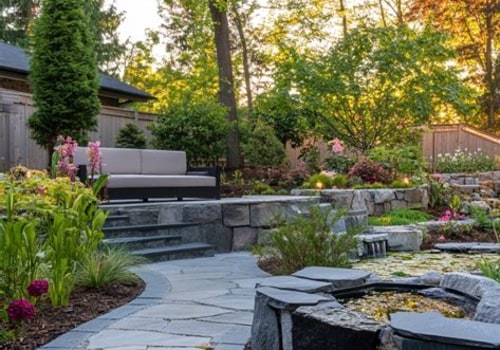
A well-designed patio can transform your garden into an outdoor living space.This area can be used for dining, entertaining, or simply relaxing. When planning your patio, think about its size and location in relation to your home and garden layout. Materials like pavers or stamped concrete can provide a durable surface that blends seamlessly with the surrounding landscape. Adding furniture and decorative elements such as fire pits or water features can further enhance the functionality and aesthetic appeal of this space.
Retaining Walls
Retaining walls are not only practical for managing soil erosion but also serve as an attractive design element in your garden.They can create tiered levels that add depth and dimension to your landscape. When selecting materials for retaining walls, consider options like natural stone or timber that harmonize with your garden's style. Additionally, incorporating plants into these walls can soften their appearance and integrate them more fully into the natural environment.Incorporating these hardscaping elements into your garden design will not only enhance its beauty but also improve its functionality, making it a space you can enjoy for years to come.
Creating Zones for Different Functions
Creating distinct zones within your garden is essential for maximizing both functionality and aesthetic appeal. By thoughtfully planning these areas, you can cater to various activities while ensuring a cohesive design.Functional garden areas
can include spaces for relaxation, cooking, and play.Here are some ideas to consider:
- Relaxation Zone: Designate a quiet corner with comfortable seating, such as a bench or hammock, surrounded by fragrant plants and soft lighting. This area should be easily accessible yet secluded enough to provide a sense of tranquility.
- Culinary Zone: If you enjoy cooking outdoors, create a cooking area equipped with a grill or outdoor kitchen. Incorporate raised beds for herbs and vegetables nearby, allowing for easy access while preparing meals.
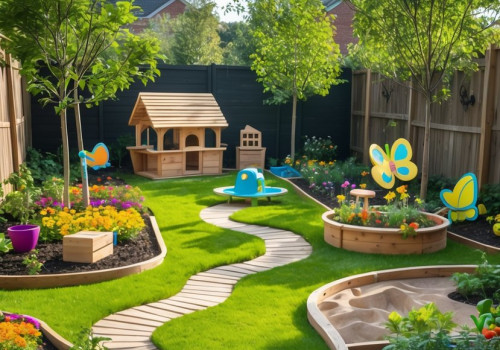
- Play Zone: For families with children, consider a designated play area featuring safe surfaces and engaging elements like swings or a sandbox. Surround this zone with colorful flowers or low-maintenance shrubs to keep it visually appealing.
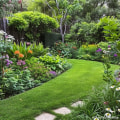
Use pathways or stepping stones to connect different areas seamlessly. Additionally, consider the use of zoning in garden design through varying plant heights and textures to create visual interest while maintaining functionality.Incorporating features like trellises or decorative screens can help define each zone without creating barriers. This approach not only enhances usability but also contributes to the overall aesthetic of your garden.Ultimately, the key to successful garden design lies in balancing functionality with beauty. By creating well-defined zones tailored to specific activities, you can cultivate an inviting space that meets your needs while delighting the senses.
Incorporating Color and Texture
When it comes to garden design and planning, the incorporation of color and texture is essential for creating a visually stunning and harmonious space.Understanding color theory in gardening can significantly enhance the aesthetic appeal of your garden.
Understanding Color Theory
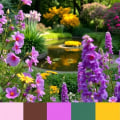
Colors can evoke emotions and set the mood of your garden. Here are some tips to effectively use color:- Choose a Color Palette: Select a cohesive color scheme that reflects your personal style. Consider using a combination of complementary colors, such as blue and orange, or analogous colors, like blue, green, and yellow, to create a balanced look.
- Seasonal Variation: Incorporate plants that bloom at different times of the year to ensure your garden remains vibrant throughout the seasons. For example, spring bulbs like tulips can be paired with summer perennials like coneflowers.
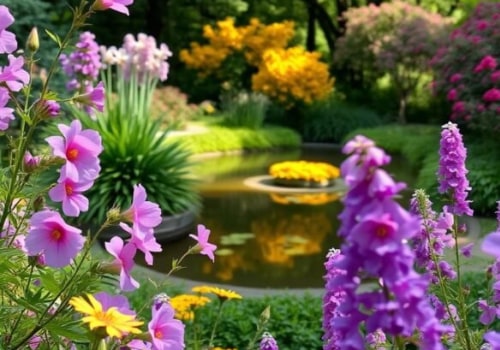
- Focal Points: Use bold colors to draw attention to specific areas or features in your garden, such as a seating area or a water feature.
Brightly colored flowers can serve as eye-catching focal points.
Adding Texture
The texture in garden design adds depth and interest to your landscape. Here are some ways to incorporate texture:- Diverse Plant Selection: Mix plants with varying leaf shapes and sizes. For instance, combine the broad leaves of hostas with the fine foliage of ornamental grasses for contrast.
- Hardscape Elements: Integrate materials like stone, wood, and metal into your design. A rustic wooden bench or a sleek metal trellis can enhance the overall texture of your garden.
- Layering Plants: Create layers by placing taller plants at the back and shorter ones in front.
This not only adds visual interest but also allows for better light exposure for all plants.
Sustainable Practices in Garden Design
Incorporating sustainable practices into your garden design not only enhances its beauty but also contributes positively to the environment. Here are some effective strategies to consider:- Native Plants: Choose plants that are native to your region.
They require less water, are more resistant to local pests, and support local wildlife, making them a cornerstone of eco-friendly garden design.
- Companion Planting: This technique involves planting different species together to enhance growth and deter pests. For example, marigolds can repel harmful insects when planted alongside vegetables.
- Rainwater Harvesting: Install rain barrels to collect runoff from your roof. This water can be used for irrigation, reducing your reliance on municipal water sources and promoting sustainable landscape planning.
- Composting: Create a compost bin to recycle kitchen scraps and yard waste. This not only reduces landfill waste but also enriches your soil, leading to healthier plants.
- Mulching: Use organic mulch around plants to retain moisture, suppress weeds, and improve soil quality as it decomposes.
This practice minimizes the need for chemical fertilizers.
Maintenance Tips for a Thriving Garden
Maintaining a garden that is both functional and aesthetically pleasing requires a thoughtful approach to upkeep.Here are some essential garden maintenance tips to ensure your outdoor space thrives throughout the seasons.
- Regular Watering: Consistent watering is crucial for plant health. Consider installing a drip irrigation system to provide efficient moisture directly to the roots, minimizing water waste.
- Mulching: Apply a layer of organic mulch around your plants. This not only helps retain soil moisture but also suppresses weeds and adds nutrients as it decomposes.
- Pruning and Deadheading: Regularly prune your plants to encourage growth and remove any dead or diseased branches. Deadheading flowers will promote more blooms, enhancing the garden's visual appeal.
- Pest Management: Keep an eye out for pests that can damage your plants.
Use natural pest control methods, such as introducing beneficial insects or using organic sprays, to maintain a healthy ecosystem.
- Soil Health: Test your soil annually to check its pH and nutrient levels. Amend the soil with compost or fertilizers as needed to ensure your plants have the nutrients they require.
- Seasonal Clean-Up: At the end of each season, clear away debris, dead plants, and fallen leaves. This not only keeps your garden looking tidy but also prevents diseases from spreading.
FAQs About Garden Design and Planning
When it comes to garden design and planning, many homeowners have questions that can help them create a space that is both functional and visually appealing.Here are some frequently asked questions:
- What are the first steps in planning a garden?
Begin by assessing your space. Consider factors such as sunlight, soil quality, and existing structures. Sketch a rough layout to visualize where you want to place different elements like plants, pathways, and seating areas. - How do I choose the right plants for my garden?
Select plants that are suitable for your climate zone and the specific conditions of your garden (sunlight, soil type, moisture). Consider incorporating a mix of perennials and annuals for year-round interest. - What should I consider for garden maintenance?
Plan for maintenance by choosing low-maintenance plants if you have a busy schedule.Additionally, consider the layout of your garden to ensure easy access for watering, weeding, and harvesting.
- How can I troubleshoot common garden design issues?
If you notice areas of your garden that are too shady or too dry, consider relocating plants or adding features like trellises or shade structures. Regularly assess plant health and adjust watering schedules as needed.