In the realm of garden design and planning, the concept of a focal point is paramount. A well-placed focal point serves as the heart of your garden, drawing the eye and creating a sense of harmony within the landscape. Whether it’s a striking sculpture, a vibrant flower bed, or a serene water feature, the focal point not only enhances visual interest but also provides a sense of direction and purpose in your garden layout. Understanding the importance of a focal point is essential for any gardener looking to create an inviting and cohesive space. It acts as an anchor that can guide the viewer’s gaze, making it easier to appreciate the surrounding elements.
Without a focal point, gardens can feel disjointed or overwhelming, lacking a clear narrative that invites exploration. By strategically placing a focal point, you can transform an ordinary garden into an extraordinary experience. Incorporating a focal point into your garden design involves considering various garden design principles, such as balance, proportion, and scale. A well-thought-out focal point not only complements the existing plants and structures but also enhances their beauty. As you embark on your garden planning journey, keep in mind that the right focal point can elevate your garden from simple to stunning, making it a true reflection of your personal style and creativity.
Key Elements to Consider When Designing a Focal Point
Creating a captivating focal point in your garden design requires careful consideration of several key elements.These elements not only enhance the visual appeal but also contribute to the overall harmony of your garden space.
- Scale: The size of your focal point should be proportionate to the surrounding landscape. A large sculpture may dominate a small garden, while a tiny feature could be lost in a vast space. Consider the scale of both the focal point and the garden to ensure they complement each other.
- Color: Color plays a crucial role in drawing attention. Bright, bold colors can create an eye-catching focal point, while softer hues can provide a more subtle attraction.
Use contrasting colors to make your focal point stand out against the backdrop of greenery.
- Texture: Incorporating different textures can add depth and interest to your focal point. For instance, a smooth stone statue juxtaposed with rough bark or soft foliage can create a dynamic visual experience. Consider how various materials will interact with one another.
- Placement: The location of your focal point is vital. It should be positioned where it can be easily seen from key vantage points in your garden, such as pathways or seating areas.
Additionally, consider how the sun and shadows will affect its visibility throughout the day.
- Functionality: Sometimes, a focal point can serve a practical purpose. A bench or a water feature not only draws the eye but also invites people to engage with the space. Think about how your focal point can enhance both aesthetics and usability.
Types of Focal Points in Garden Design
Creating a captivating garden design involves incorporating various focal points that draw the eye and enhance the overall aesthetic. Here are some popular types of focal points to consider:- Sculptures: Artistic sculptures can serve as stunning focal points, adding a touch of personality and creativity to your garden.
Whether it's a classic statue or a modern art piece, sculptures can reflect your style and create conversation starters.
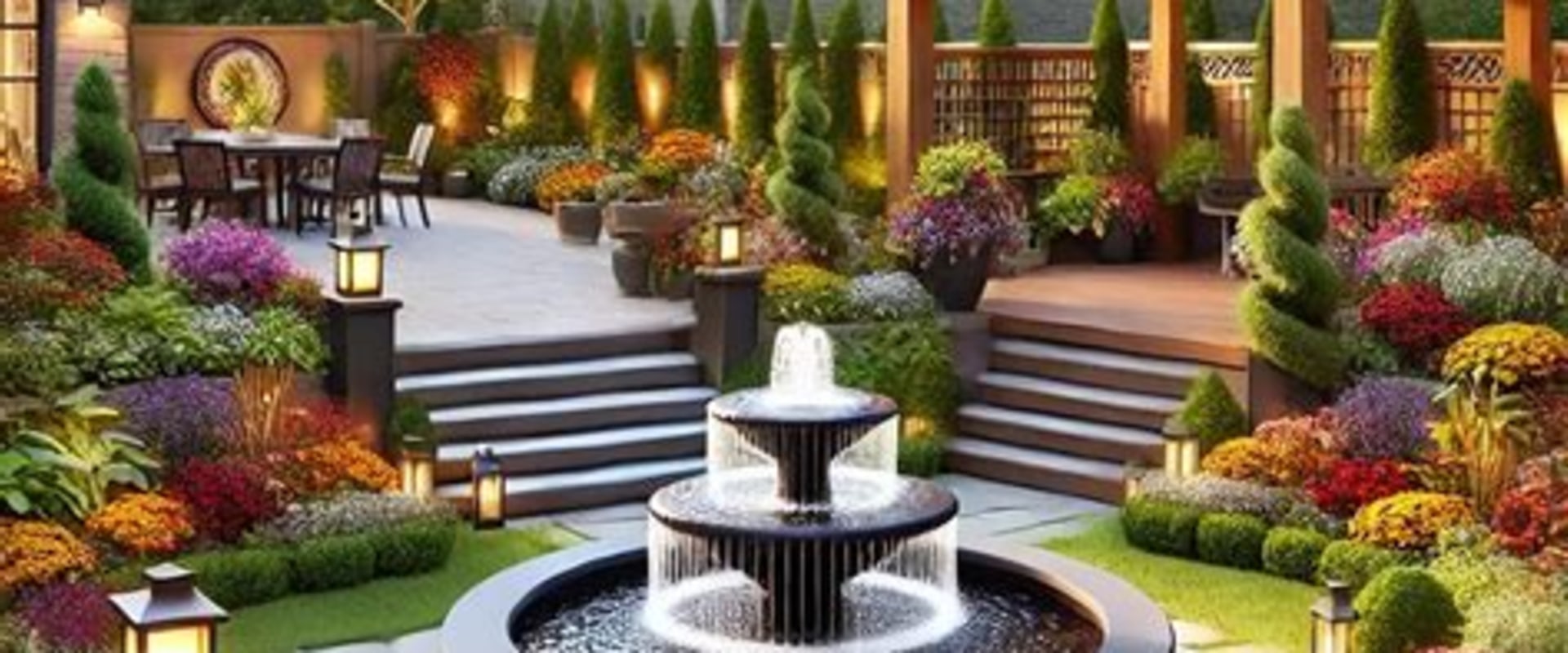
- Water Features: The soothing sound of water can transform your garden into a tranquil oasis. Consider adding a fountain, pond, or waterfall as a focal point. These features not only attract wildlife but also provide a serene atmosphere.
- Unique Plants: A striking plant or tree can serve as a natural focal point. Look for specimens with vibrant colors, interesting shapes, or unique textures.
For example, a flowering dogwood or a Japanese maple can stand out beautifully in any garden design.
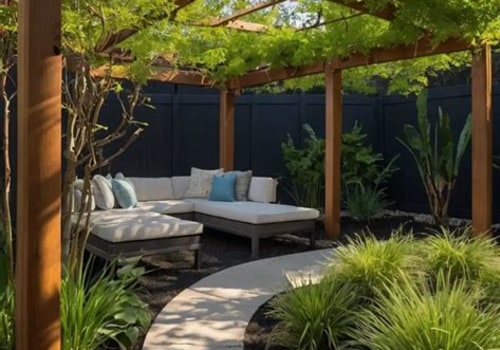
- Architectural Elements: Incorporating structures such as arbors, trellises, or pergolas can create vertical interest and serve as focal points. These elements can also support climbing plants, adding layers to your garden design.
How to Choose the Right Focal Point for Your Garden
Choosing the right focal point for your garden is essential in creating a cohesive and inviting space.A well-selected focal point not only draws the eye but also enhances the overall garden design and planning. Here are some key considerations to help you make the best choice:
- Identify Your Garden's Theme: Before selecting a focal point, consider the overall theme of your garden. Whether it’s a modern, rustic, or tropical design, your focal point should resonate with this theme. For instance, a sleek sculpture may suit a contemporary garden, while a vintage birdbath might be perfect for a cottage-style garden.
- Consider Scale and Proportion: The size of your focal point should be proportional to the surrounding elements.
A large tree can serve as a stunning centerpiece in a spacious garden, while a small ornamental feature may be more appropriate for a compact area. Ensure that your choice complements the scale of your garden.
- Personalize Your Space: Incorporating personal elements into your focal point can make your garden feel unique. This could be anything from a family heirloom statue to a custom-made trellis adorned with climbing plants. Personal touches not only enhance aesthetics but also create emotional connections to the space.
- Match with Other Features: Your focal point should harmonize with other elements in your garden, such as pathways, seating areas, and plant selections.
For example, if you have a vibrant flower bed, consider a neutral-colored bench or sculpture that allows the blooms to stand out.
Incorporating Focal Points into Your Garden Layout
Creating a stunning garden design requires careful planning and consideration of how to integrate focal points into your layout. Focal points serve as visual anchors that draw the eye and create interest, making them essential in any garden design.To effectively incorporate focal points into your garden layout, consider the following tips:- Choose the Right Location: Position your focal point where it can be easily seen from various angles.
This could be at the end of a pathway, in the center of a circular garden bed, or near seating areas.
- Scale and Proportion: Ensure that your focal point is appropriately sized for the surrounding elements. A large sculpture may overwhelm a small garden, while a tiny plant might get lost in a vast landscape.
- Surrounding Elements: Enhance your focal point by carefully selecting plants and features that complement it. Use contrasting colors or textures to make it stand out, but avoid overcrowding the area.
- Layering: Create depth by layering plants around your focal point. Taller plants can be placed at the back, with medium-height plants in front, and low-growing varieties at the forefront.
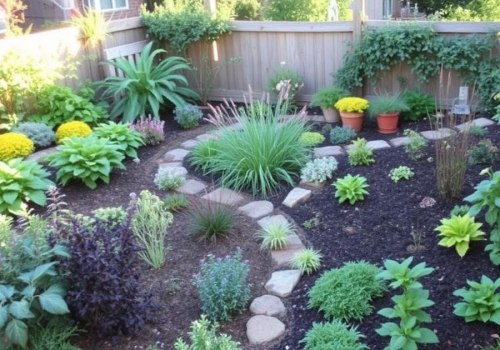
- Pathways and Lines: Use pathways or lines in your garden design to lead visitors' eyes toward the focal point.
Curved paths can create a sense of movement, while straight lines can provide a more formal look.
Common Mistakes to Avoid When Creating a Focal Point
Creating a focal point in your garden design can significantly enhance its overall appeal, but there are several common mistakes that can undermine your efforts. Here are some pitfalls to avoid:- Neglecting Scale and Proportion: One of the most frequent errors is choosing a focal point that is either too large or too small for the surrounding space. A massive sculpture in a tiny garden can overwhelm the area, while a small birdbath may get lost in a vast landscape.
Always consider the scale of your focal point in relation to the rest of your garden.
- Ignoring Sight Lines: Focal points should be strategically placed to draw the eye from various angles. A common mistake is positioning them where they are only visible from one spot. Ensure that your focal point can be appreciated from multiple vantage points throughout your garden.
- Overcrowding: While it’s tempting to fill your garden with numerous features, overcrowding can dilute the impact of your focal point. Keep surrounding plants and decorations minimal to allow your focal point to shine.
Consider using negative space effectively to enhance visibility.
- Lack of Cohesion: Your focal point should harmonize with the overall theme of your garden. A modern sculpture in a traditional cottage garden can create visual dissonance. Choose elements that complement each other and maintain a consistent style throughout.
- Forgetting Seasonal Interest: A focal point that lacks year-round appeal can lead to disappointment. Select plants or features that provide interest across different seasons, ensuring that your garden remains engaging throughout the year.
Take the time to plan carefully, and you’ll avoid common garden planning pitfalls, resulting in a stunning outdoor space that captivates all who visit.
FAQs About Focal Points in Garden Design
Creating a focal point in your garden design can significantly enhance its overall appeal. Here are some frequently asked questions that can help you understand this concept better:- What is a focal point in garden design?
A focal point is a specific element in your garden that draws the eye and serves as a visual anchor. It can be anything from a striking sculpture, a vibrant flower bed, or even a unique tree. - Why is it important to have a focal point?
A well-placed focal point adds interest and depth to your garden, guiding visitors' attention and creating a sense of harmony. It helps to break up the space and can make your garden feel more organized. - How do I choose the right focal point?
Consider the overall theme of your garden.Choose something that complements your existing plants and structures. For example, if you have a modern garden, a sleek metal sculpture might work well, while a rustic wooden bench could suit a cottage-style garden.
- Can I have more than one focal point?
Yes, multiple focal points can be effective, especially in larger gardens. However, ensure they are spaced out and do not compete for attention. Each should serve its purpose without overwhelming the viewer. - How do I enhance my focal point?
Use surrounding plants to frame your focal point.Consider lighting options to highlight it during the evening. Additionally, contrasting colors or textures can make it stand out even more.
Conclusion: Bringing Your Garden Design Vision to Life with Focal Points
In conclusion, creating a successful garden design requires careful planning and a clear vision, with focal points playing a pivotal role in achieving that vision. By strategically incorporating elements that draw the eye, you can transform an ordinary garden into a captivating space that invites exploration and appreciation.Throughout this article, we have explored various ways to establish focal points, from selecting vibrant plants to integrating unique structures. Each of these elements serves not only to enhance the aesthetic appeal but also to create a sense of harmony within your garden.Here are some key takeaways:
- Choose Your Focal Points Wisely: Whether it’s a stunning sculpture, a vibrant flower bed, or a tranquil water feature, ensure that your focal point resonates with the overall theme of your garden.
- Consider Scale and Proportion: The size of your focal point should be in proportion to the surrounding elements. A large statue may overwhelm a small garden, while a tiny plant may get lost in a vast landscape.
- Utilize Color and Texture: Bold colors and varied textures can enhance the visibility of your focal points, making them stand out even more against the backdrop of greenery.
- Create Layers: Use layers of plants and structures to guide the viewer’s eye towards your focal point, creating depth and interest in your garden design.