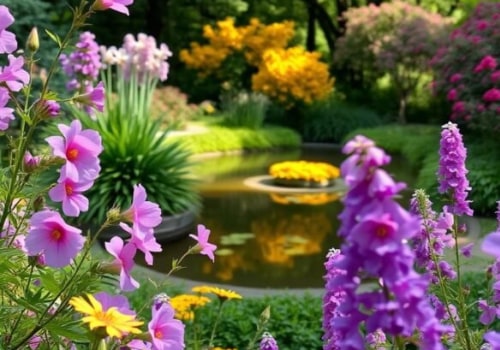
In today’s fast-paced world, many homeowners find themselves juggling multiple responsibilities, leaving little time for garden upkeep. This is where low-maintenance garden design comes into play. By focusing on simplicity and efficiency, a well-planned garden can provide beauty and tranquility without demanding excessive time or resources. Understanding the principles of garden design and planning is essential for creating a space that not only looks good but also aligns with your lifestyle. A low-maintenance garden is characterized by its use of native plants, drought-resistant species, and strategic layout that minimizes the need for constant care.
These gardens often incorporate elements such as mulch, ground covers, and hardscaping to reduce weeding and watering requirements. By selecting the right plants and materials, you can create an outdoor space that thrives with minimal intervention, allowing you to enjoy your garden rather than labor over it. Moreover, easy garden ideas can transform even the smallest spaces into lush retreats. Whether you’re working with a sprawling backyard or a compact patio, thoughtful garden planning tips can help you maximize your area’s potential while keeping maintenance to a minimum. Embracing low-maintenance principles not only saves time but also contributes to a more sustainable environment by reducing water usage and chemical inputs.
As we delve deeper into this topic, you’ll discover practical strategies to cultivate a beautiful garden that complements your busy life.
Choosing the Right Plants for Your Garden
When it comes to garden design and planning, selecting the right plants is crucial for creating a low-maintenance garden. By choosing plants that require minimal care, you can enjoy a beautiful landscape without the constant upkeep. Here are some tips to help you choose the best plants for your low-maintenance garden.Opt for Drought-Resistant Plants
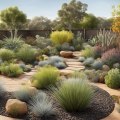
Drought-resistant plants are ideal for low-maintenance gardens, as they thrive in dry conditions and require less watering. Some popular options include:- Lavender: This fragrant herb not only adds beauty but also attracts pollinators.
- Sedum: A succulent that comes in various shapes and colors, perfect for ground cover.
- Agave: Known for its striking appearance, agave is extremely drought-tolerant.
- Russian Sage: This perennial offers stunning purple flowers and thrives in poor soil.
Incorporate Native Plants
Native plants are adapted to your local climate and soil conditions, making them easier to care for.They typically require less water and are more resistant to pests and diseases. Consider including:
- Echinacea (Coneflower): A hardy perennial that attracts butterflies and is drought-tolerant.
- Black-eyed Susan: Bright yellow flowers that bloom all summer long with minimal care.
- Bee Balm: A vibrant addition that draws in pollinators while being low-maintenance.
- Switchgrass: An ornamental grass that provides texture and requires little upkeep.
Soil Preparation and Mulching Techniques
Creating a low-maintenance garden begins with proper soil preparation. Healthy soil is the foundation of any successful garden design and planning.Start by testing your soil to determine its pH and nutrient levels. This will help you understand what amendments are necessary to create an optimal growing environment. Incorporating organic matter, such as compost or well-rotted manure, can significantly improve soil structure, drainage, and fertility.Once your soil is prepared, consider the following low-maintenance soil tips:
- Choose native plants: Native plants are adapted to your local climate and soil conditions, requiring less water and care.
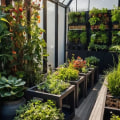
- Use raised beds: Raised garden beds can improve drainage and make it easier to control soil quality.
- Incorporate cover crops: Planting cover crops during the off-season can enhance soil health and prevent erosion.
- Moisture retention: Mulch helps retain soil moisture, reducing the need for frequent watering.
- Weed suppression: A thick layer of mulch can prevent weed growth, minimizing the time spent on weeding.
- Temperature regulation: Mulch insulates the soil, keeping it cooler in summer and warmer in winter.
These materials not only provide the benefits mentioned above but also break down over time, enriching the soil further. Aim for a mulch layer of 2-4 inches to maximize its effectiveness.By focusing on soil preparation and utilizing mulching techniques, you can create a thriving low-maintenance garden that requires minimal upkeep while still providing beauty and enjoyment throughout the seasons.
Efficient Watering Systems
Creating a low-maintenance garden design often hinges on implementing efficient watering systems. By automating the watering process, you can significantly reduce the time and effort required to keep your garden thriving. Here are some effective options to consider:- Automatic Watering Systems: These systems can be programmed to water your garden at specific times, ensuring that your plants receive consistent moisture without the need for manual intervention.
Look for systems that allow you to customize schedules based on seasonal changes.
- Drip Irrigation for Gardens: This method delivers water directly to the roots of plants through a network of tubing and emitters. Drip irrigation is highly efficient, minimizing water waste and reducing the frequency of watering. It’s particularly beneficial for vegetable gardens and flower beds.
- Soaker Hoses: A more affordable alternative to drip irrigation, soaker hoses allow water to seep out slowly along their length. They can be laid out in rows or circles around plants, providing deep watering while conserving moisture in the soil.
- Rain Barrels: Collecting rainwater is an eco-friendly way to water your garden.
By installing rain barrels, you can capture runoff from your roof and use it for irrigation, reducing reliance on municipal water sources.
Designing with Hardscaping Elements
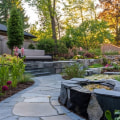
Incorporating hardscaping elements into your garden design can significantly reduce maintenance while enhancing the aesthetic appeal of your outdoor space. By strategically using materials like stone, gravel, and concrete, you can create a beautiful landscape that requires minimal upkeep.- Paths and Walkways: Installing paths made of natural stone or pavers not only guides visitors through your garden but also minimizes soil compaction and weed growth.
Choose materials that complement your home’s architecture and the surrounding landscape.
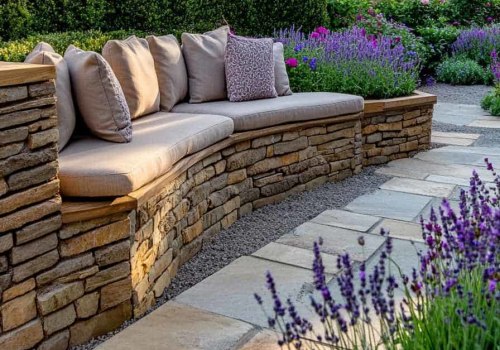
- Patios: A well-designed patio can serve as a focal point for outdoor gatherings. Opt for durable materials such as flagstone or stamped concrete that withstand weather changes and require little maintenance.
- Retaining Walls: These structures can help manage soil erosion while adding visual interest. Use local stone or brick to create a cohesive look with your garden’s natural elements.
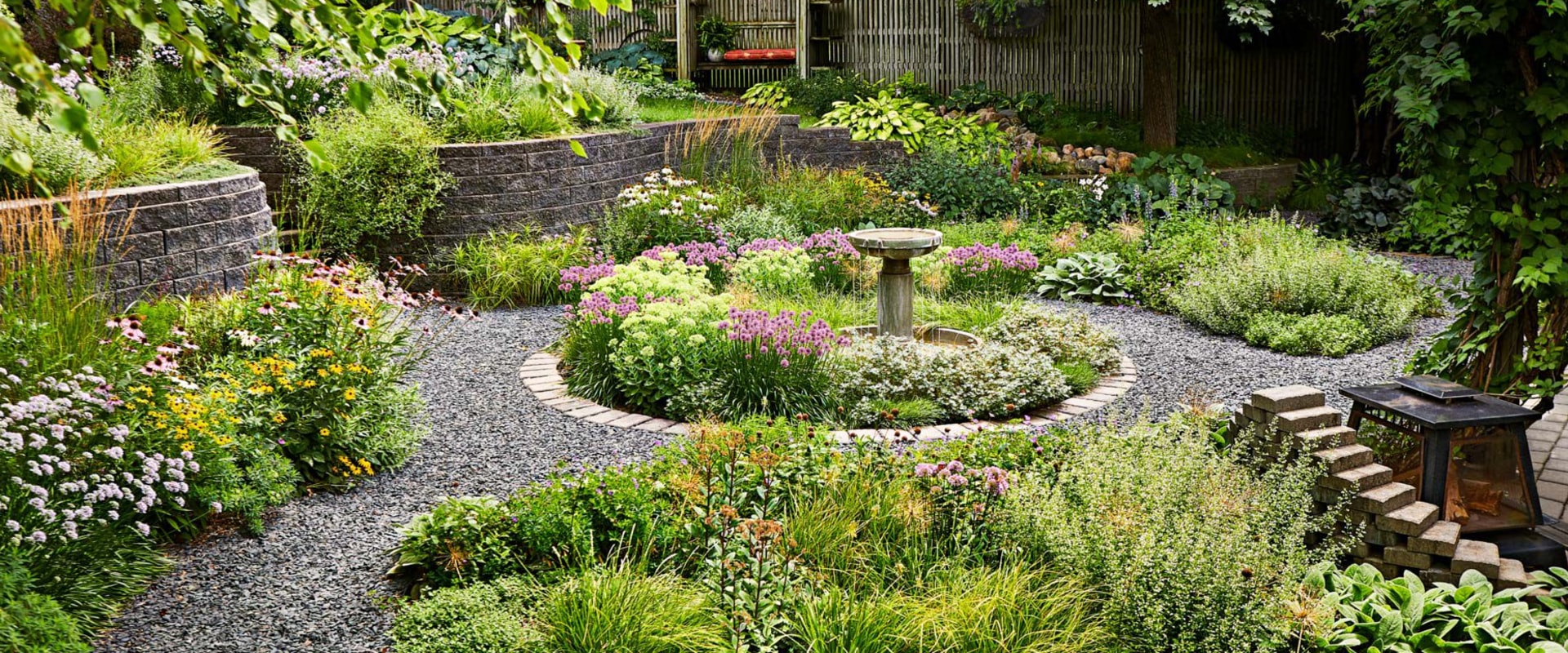
- Gravel Areas: Incorporating gravel beds can reduce the need for mowing and weeding. They provide excellent drainage and can be used creatively to define spaces within your garden.
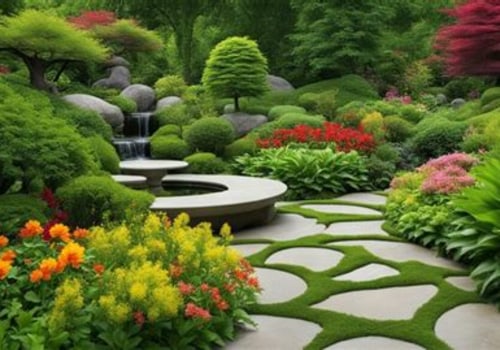
For instance, using stones or decorative boulders can create a stunning contrast with lush greenery, while also reducing the area that needs regular maintenance.Additionally, integrating low-maintenance landscaping features, such as drought-resistant plants around hardscaped areas, can further decrease the need for watering and care. This approach not only conserves resources but also promotes a sustainable garden environment.Ultimately, a thoughtful combination of hardscaping and strategic plant selection will lead to a garden design that is both beautiful and easy to maintain, allowing you to enjoy your outdoor space without the burden of constant upkeep.
Creating a Sustainable Garden Environment
Creating a sustainable garden environment is essential for achieving a low-maintenance garden design that is both beautiful and eco-friendly. By incorporating sustainable gardening practices, you can reduce the amount of time and resources needed to maintain your garden while also benefiting the environment.One effective approach is to implement permaculture principles. This method focuses on designing your garden to work with nature rather than against it.Here are some key principles to consider:
- Diversity: Plant a variety of species to create a balanced ecosystem. This not only enhances biodiversity but also reduces the risk of pests and diseases.
- Soil Health: Invest in building healthy soil through composting and mulching. Healthy soil retains moisture and nutrients, reducing the need for frequent watering and fertilization.
- Water Management: Use rainwater harvesting systems or install drip irrigation to minimize water waste. Grouping plants with similar water needs can also help in efficient water usage.
Here are some tips:
- Native Plants: Choose native plants that are well-adapted to your local climate. They require less water and maintenance compared to non-native species.
- Mulching: Apply organic mulch around plants to suppress weeds, retain moisture, and improve soil quality as it decomposes.
- Companion Planting: Pair plants that benefit each other, such as planting marigolds with vegetables to deter pests naturally.
Maintaining Your Low-Maintenance Garden
Maintaining a low-maintenance garden doesn't have to be a daunting task. With the right strategies, you can enjoy a beautiful outdoor space with minimal effort.Here are some practical tips for low-maintenance garden upkeep throughout the seasons:
1.Choose the Right Plants
Selecting drought-resistant and native plants can significantly reduce the amount of care your garden requires. These plants are adapted to your local climate and soil conditions, making them easier to grow and maintain.2.Implement Mulching
Applying a layer of mulch around your plants helps retain moisture, suppress weeds, and regulate soil temperature. Organic mulches, such as wood chips or straw, also improve soil quality as they decompose.3.Water Wisely
- Drip irrigation systems can deliver water directly to the roots, minimizing waste and reducing the frequency of watering.
- Water early in the morning or late in the evening to prevent evaporation and ensure your plants receive adequate moisture.
4.Seasonal Care Tips
Adapting your maintenance routine to the seasons can help keep your garden thriving:- Spring: Focus on pruning dead branches and cleaning up debris to promote healthy growth.
- Summer: Monitor for pests and diseases; consider using organic solutions to manage any issues.
- Fall: Prepare your garden for winter by cutting back perennials and adding compost to enrich the soil.
- Winter: Protect sensitive plants with mulch or covers to shield them from harsh weather conditions.
5.Simplify Maintenance Tasks
To make gardening even easier, consider these simple tasks:- Create a maintenance schedule that outlines when to water, prune, and fertilize your plants.
- Use tools that are ergonomic and easy to handle, reducing physical strain during upkeep.
- Incorporate hardscaping elements like paths and patios to minimize lawn areas that require mowing.
Common Mistakes to Avoid in Low-Maintenance Garden Design
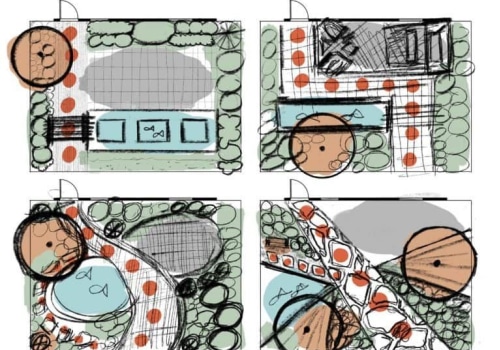
When embarking on a journey to create a low-maintenance garden, it’s essential to be aware of common pitfalls that can lead to more work than necessary. Here are some mistakes to avoid in your garden design and planning:- Overcomplicating the Design: One of the biggest mistakes is creating a garden layout that is too intricate.
Complex designs often require more upkeep. Instead, aim for simplicity with clean lines and fewer plant varieties.
- Choosing High-Maintenance Plants: Selecting plants that require frequent watering, pruning, or special care can defeat the purpose of a low-maintenance garden. Opt for native or drought-resistant plants that thrive in your local climate.
- Ineffective Plant Placement: Placing plants without considering their sunlight and space requirements can lead to overcrowding and increased maintenance. Research each plant’s needs and group them accordingly to minimize care.
- Neglecting Soil Quality: Poor soil can lead to unhealthy plants that require more attention.
Invest time in improving your soil with organic matter before planting to ensure a thriving garden with less effort.
- Ignoring Seasonal Changes: Failing to plan for seasonal variations can result in a garden that looks bare or unkempt at certain times of the year. Incorporate a mix of perennials and evergreens to maintain visual interest throughout the seasons.
- Forgetting About Hardscaping: Many gardeners overlook the importance of hardscaping elements like paths, patios, and retaining walls. These features not only enhance aesthetics but also reduce lawn areas and minimize maintenance tasks.
Conclusion: Embracing Simplicity in Garden Design
In conclusion, adopting a low-maintenance approach to garden design and planning not only simplifies your gardening experience but also enhances the overall aesthetic of your outdoor space. By focusing on key principles such as plant selection, layout, and sustainable practices, you can create a garden that thrives with minimal effort.To recap, here are some essential tips for achieving a low-maintenance garden:- Choose native plants: Native species are adapted to your local climate and soil conditions, requiring less water and care.
- Incorporate hardscaping: Use pathways, patios, and decorative stones to reduce the area that needs regular maintenance.
- Group plants by water needs: This allows for more efficient watering and reduces the risk of over or under-watering.
- Mulch effectively: A good layer of mulch helps retain moisture, suppress weeds, and improve soil health.
- Plan for seasonal interest: Select plants that provide visual appeal throughout the year, minimizing the need for frequent changes.
Embracing simplicity in garden design not only benefits you but also contributes positively to the environment by promoting biodiversity and reducing resource consumption. Ultimately, a low-maintenance garden allows you to spend more time enjoying your outdoor space rather than laboring in it.