Incorporating native plants into your garden design is not just a trend; it’s a sustainable choice that offers numerous ecological benefits. Native plants are species that have evolved in a specific region over thousands of years, adapting to the local climate, soil, and wildlife. This deep-rooted connection to the environment makes them particularly well-suited for garden design and planning, as they require less water, fewer fertilizers, and minimal maintenance compared to non-native species. One of the most significant advantages of using native plants is their ability to support local wildlife. By providing food and habitat for birds, butterflies, and beneficial insects, native gardens contribute to the health of local ecosystems.
For instance, many native flowering plants are essential for pollinators, which play a crucial role in the reproduction of both wild and cultivated plants. This symbiotic relationship not only enhances biodiversity but also creates a vibrant garden that thrives with life. Moreover, native plants can help reduce the need for chemical pesticides and fertilizers, promoting an ecological gardening approach that benefits both your garden and the environment. By choosing plants that are naturally adapted to your area, you can create a resilient landscape that withstands pests and diseases more effectively. This not only saves you time and effort in maintenance but also contributes to a healthier planet. As you embark on your journey of garden design, consider the myriad benefits that native plants offer.
From their low-maintenance nature to their vital role in supporting local ecosystems, these plants are an essential component of any thoughtful garden plan.
Assessing Your Garden Space for Native Plant Integration
Before you dive into garden design and planning with native plants, it’s essential to thoroughly assess your garden space. This evaluation will help you understand the unique conditions of your area and how best to integrate native flora.1.Evaluate Your Soil Type
The first step in assessing your garden space is to determine the soil type. Native plants often thrive in specific soil conditions, so knowing whether you have sandy, clay, or loamy soil can guide your plant selection. To test your soil:- Take a small sample from different areas of your garden.
- Perform a simple squeeze test: if it holds its shape when squeezed, it’s likely clay; if it crumbles, it’s sandy.
- Consider sending a sample to a local extension service for a detailed analysis.
2.Assess Sunlight Exposure
Next, observe the sunlight exposure in your garden.Different native plants have varying sunlight requirements:
- Full sun: 6 or more hours of direct sunlight daily.
- Partial shade: 3-6 hours of sunlight.
- Full shade: less than 3 hours of direct sunlight.
3.Identify Existing Flora
Your garden may already host some native plants or other flora that can impact your design. Take time to:- Identify any existing plants and their growth patterns.
- Consider how these plants interact with potential new additions.
- Remove any invasive species that may compete with native plants for resources.
Choosing the Right Native Plants for Your Region
When it comes to garden design and planning, selecting the right native plants is crucial for creating a sustainable and thriving ecosystem. The first step in this process is to understand your geographical location and the specific climate conditions of your area.Native plants are those that naturally occur in your region, making them well-adapted to local soil types, rainfall patterns, and temperature ranges.
Understanding Plant Hardiness Zones
- Familiarize yourself with the USDA Plant Hardiness Zone Map, which divides the country into zones based on average annual minimum temperatures.
- Choose plants that are recommended for your specific zone to ensure they can survive and thrive in your garden.
Researching Local Flora
- Visit local botanical gardens or extension services to learn about native species that flourish in your area.
- Consult with local gardening clubs or online forums dedicated to native plants for recommendations and tips.
Selecting Appropriate Native Plants
- Consider the microclimates within your garden. Areas with more sunlight or shade may require different plant selections.
- Look for plants that provide year-round interest, such as those that bloom at different times or have attractive foliage.
- Incorporate a mix of grasses, wildflowers, and shrubs to create a diverse habitat that supports local wildlife.
Design Principles for Incorporating Native Plants
Incorporating native plants into your garden design requires a thoughtful approach that aligns with key design principles. By understanding how to effectively arrange these plants, you can create a visually appealing and ecologically beneficial landscape.Color Schemes
One of the first considerations in landscape design is the color scheme.Native plants offer a diverse palette that can enhance the aesthetic appeal of your garden. When selecting plants, consider their bloom times and colors to ensure a harmonious display throughout the seasons. For instance, pairing vibrant wildflowers with lush green foliage can create a striking contrast that draws the eye.
Plant Arrangement
The arrangement of plants is crucial for achieving balance and harmony in your garden. Use the principles of plant arrangement to create layers and depth.Taller native plants can serve as a backdrop, while medium-height species can fill the middle ground, and low-growing varieties can edge pathways or borders. This tiered approach not only adds visual interest but also mimics natural ecosystems.
Creating Focal Points
To guide visitors through your garden, consider creating focal points using native plants. A striking specimen tree or a cluster of colorful perennials can serve as an anchor in your design. These focal points should be strategically placed to draw attention and encourage exploration of the surrounding areas.Texture and Form
In addition to color, pay attention to the texture and form of native plants.Combining plants with different leaf shapes and sizes can add richness to your garden design. For example, pairing the fine texture of grasses with the broad leaves of native shrubs creates a dynamic visual experience.By applying these garden design principles, you can successfully incorporate native plants into your landscape, enhancing both its beauty and ecological value.
Creating a Sustainable Garden with Native Plants
Incorporating native plants into your garden design and planning is a powerful way to create a sustainable garden that benefits both the environment and your local ecosystem. Native plants are adapted to the local climate and soil conditions, which means they require less water and maintenance compared to non-native species. This not only conserves water but also reduces the need for chemical fertilizers and pesticides, making your gardening practices more eco-friendly.Benefits of Native Plants:
- Water Conservation: Native plants are drought-resistant and can thrive on natural rainfall, significantly reducing the need for irrigation.
- Biodiversity: By planting native species, you support local wildlife, including pollinators like bees and butterflies, which are essential for a healthy ecosystem.
- Soil Health: Native plants contribute to soil stability and health by preventing erosion and promoting nutrient cycling.
Local extension services or native plant societies can provide valuable resources. Once you have identified suitable plants, consider grouping them in clusters to mimic their natural habitats. This not only enhances the aesthetic appeal of your garden but also creates a more inviting environment for wildlife.Additionally, consider implementing sustainable gardening practices such as mulching with organic materials, using rain barrels for water collection, and creating habitats like birdhouses or bee hotels. These practices further enhance the ecological value of your garden while ensuring it remains a vibrant space for both you and the local fauna.In conclusion, designing a garden with native plants is not just about aesthetics; it’s about fostering a sustainable environment that promotes biodiversity and conserves resources.
By embracing these principles in your garden design and planning, you contribute to a healthier planet while enjoying the beauty of nature right in your backyard.
Maintenance Tips for Gardens with Native Plants
Maintaining a garden filled with native plants can be both rewarding and low-maintenance compared to traditional gardening practices. Here are some essential maintenance tips to ensure your native plant garden thrives throughout the seasons.Watering
Native plants are typically adapted to local climate conditions, which means they often require less water than non-native species. However, during the first year after planting, it’s crucial to provide adequate moisture to help establish strong root systems. Once established, most native plants can survive on rainfall alone.Consider the following:
- Deep Watering: Water deeply but infrequently to encourage deep root growth.
- Mulching: Apply a layer of organic mulch to retain moisture and suppress weeds.
Weeding
While native plants are generally resilient, they can still be outcompeted by invasive species. Regular weeding is essential, especially in the early stages of your garden's development. Here are some tips:- Regular Monitoring: Check your garden weekly for any signs of invasive plants.
- Hand Pulling: Remove weeds by hand or use a hoe to minimize soil disturbance.
Seasonal Care
Your native plant garden will require different care throughout the seasons:- Spring: Prune any dead or damaged stems and apply a slow-release organic fertilizer if necessary.
- Summer: Monitor for pests and diseases; most native plants are resistant but keep an eye out for any issues.
- Fall: Cut back perennials after they have finished blooming and collect seeds for future planting.
- winter: Leave seed heads intact for winter interest and as food sources for birds.
Common Mistakes to Avoid When Designing with Native Plants
Incorporating native plants into your garden design and planning can be a rewarding experience, but it’s essential to avoid common pitfalls that can hinder your success.Here are some mistakes to watch out for:
- Choosing the Wrong Plants: Not all native plants are suitable for every garden. It’s crucial to select species that thrive in your specific climate, soil type, and sunlight conditions. Research local flora and consult with native plant societies or local nurseries to make informed choices.
- Neglecting Maintenance Needs: While native plants are often more resilient, they still require care. A common error is assuming that once planted, they need no further attention.
Regular maintenance, including weeding, pruning, and monitoring for pests, is vital for a thriving garden.
- Overcrowding Plants: Native plants can grow vigorously, leading to overcrowding if not spaced properly. This can result in competition for resources and poor growth. Follow recommended spacing guidelines to ensure each plant has room to flourish.
- Ignoring Seasonal Changes: Many gardeners overlook how native plants change with the seasons. Some may go dormant or lose their leaves in winter.
Plan your garden design to include a variety of plants that provide visual interest throughout the year.
- Using Invasive Species: Some plants labeled as 'native' may actually be invasive in certain areas. These can outcompete local flora and disrupt ecosystems. Always verify the invasiveness of a species before including it in your design.
FAQs About Incorporating Native Plants into Garden Design
Incorporating native plants into your garden design can be both rewarding and beneficial for the local ecosystem. Here are some frequently asked questions that can help guide your planning:- What are native plants? Native plants are species that naturally occur in a specific region, adapted to the local climate and soil conditions.
They require less water and maintenance compared to non-native species.
- Why should I use native plants in my garden? Using native plants supports local wildlife, including pollinators like bees and butterflies. They also promote biodiversity and can reduce the need for chemical fertilizers and pesticides.
- How do I choose the right native plants for my garden? Consider your local climate, soil type, and sunlight availability. Research which native plants thrive in your area by consulting local gardening resources or extension services.
- Can I mix native plants with non-native species? Yes, you can create a diverse garden by mixing native and non-native plants. However, ensure that the non-native species are not invasive and do not outcompete the natives.
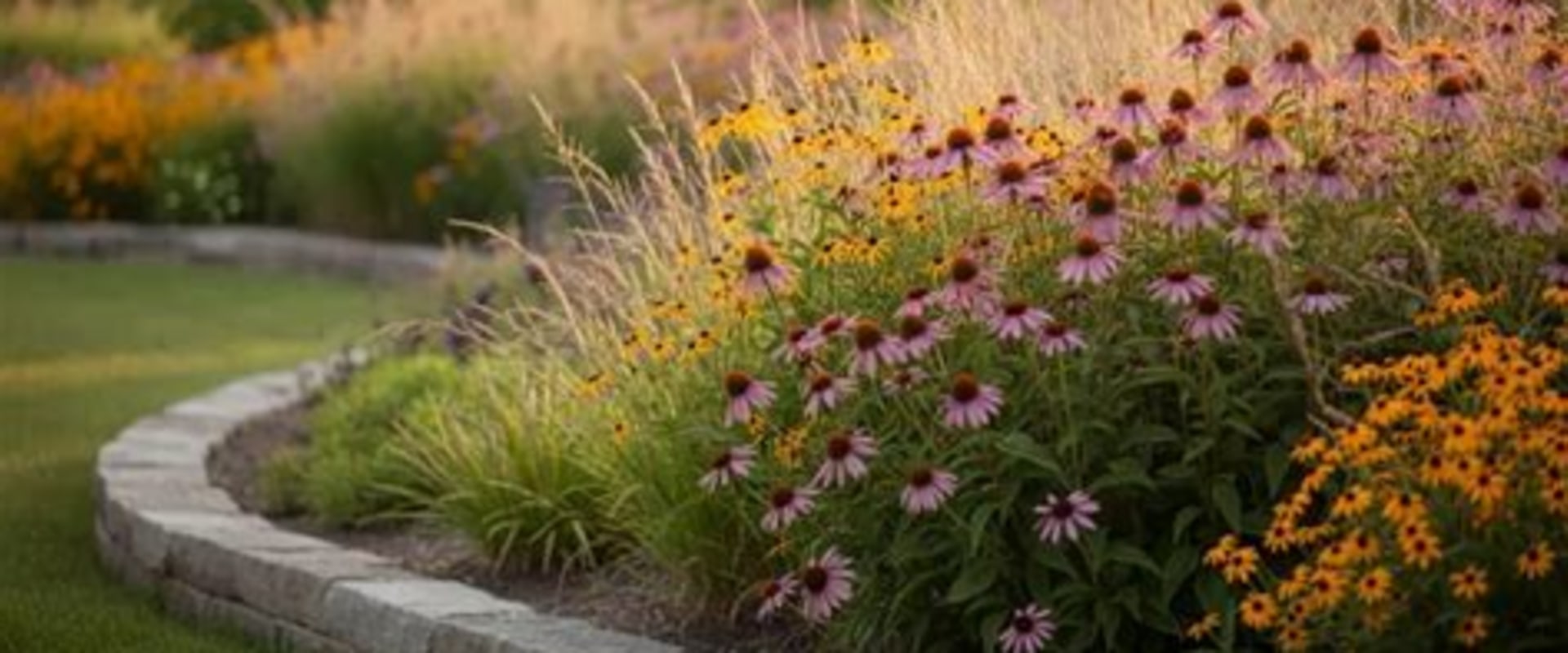
- What are some popular native plants for garden design? Some popular choices include Echinacea purpurea (Purple Coneflower), Rudbeckia hirta (Black-eyed Susan), and Asclepias tuberosa (Butterfly Weed).
These plants are not only beautiful but also attract beneficial insects.
- How can I maintain a garden with native plants? Native plants generally require less maintenance than traditional gardens. Regular watering during dry spells, occasional weeding, and mulching can help keep your garden healthy.