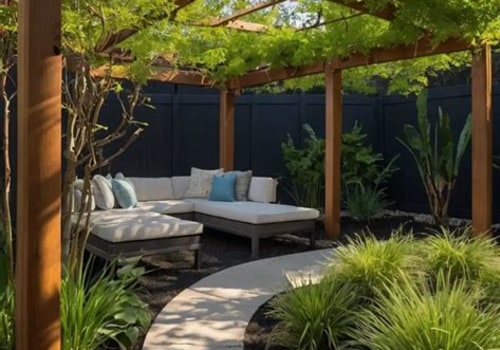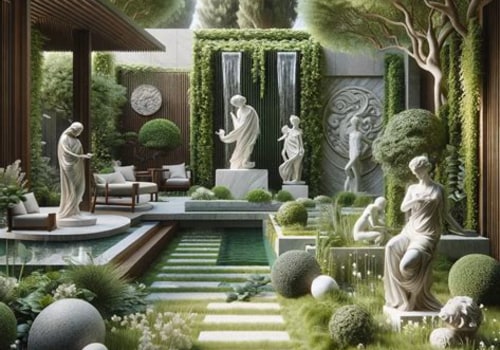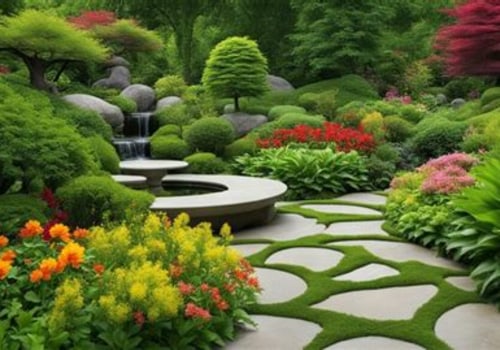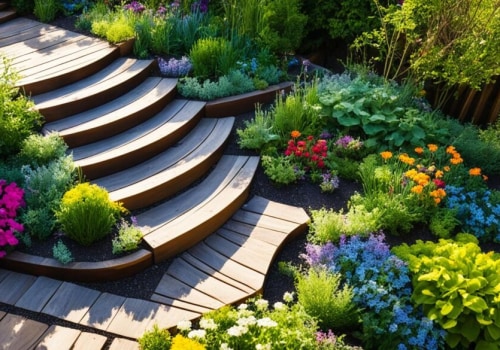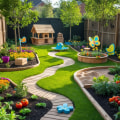
When it comes to garden design and planning, the role of lighting is often underestimated. However, effective lighting can dramatically transform your outdoor space, enhancing its beauty and functionality. By strategically placing lights, you can highlight key features of your garden, create inviting pathways, and establish a warm ambiance that encourages outdoor living even after the sun sets. The importance of lighting in garden design cannot be overstated. It serves not only as a practical element for safety and navigation but also as a powerful tool for aesthetic enhancement.
Well-placed lights can draw attention to your favorite plants, sculptures, or water features, making them focal points that captivate the eye. Moreover, the right lighting can create a sense of depth and dimension, allowing your garden to feel more expansive and inviting. In addition to its visual appeal, garden lighting benefits extend to functionality. Proper illumination can extend the usability of your garden space, allowing you to host evening gatherings or simply enjoy a quiet night under the stars. Furthermore, thoughtful lighting design can improve security by illuminating dark corners and pathways, making your garden a safer place for family and guests.
As we delve deeper into this topic, you'll discover how to harness the power of light to elevate your garden design and planning efforts.
Types of Garden Lighting
When it comes to garden design and planning, understanding the different types of garden lighting is essential for creating a visually appealing and functional outdoor space. Each type of lighting serves a unique purpose, enhancing the overall atmosphere of your garden.- Ambient Lighting: This type of lighting provides a soft, overall illumination that sets the mood for your garden. It can be achieved through fixtures such as wall-mounted lights, lanterns, or string lights. Ambient lighting is perfect for creating a warm and inviting atmosphere, making it ideal for evening gatherings.
- Task Lighting: Task lighting focuses on specific areas where activities take place, such as pathways, seating areas, or workspaces.
This type of lighting is crucial for safety and functionality. Options include spotlights, floodlights, or even solar-powered path lights that illuminate walkways and ensure safe navigation through your garden.
- Accent Lighting: Accent lighting is used to highlight particular features in your garden, such as sculptures, trees, or water features. By using directional lights or uplights, you can draw attention to these focal points and create dramatic effects at night. This not only enhances the beauty of your garden but also adds depth and dimension to your landscape design.
For instance, solar lights are an eco-friendly choice that requires no wiring and can be easily installed throughout your garden. Alternatively, LED lights offer energy efficiency and longevity, making them a popular option for modern garden designs.Ultimately, incorporating a mix of these outdoor lighting types will not only enhance the aesthetic appeal of your garden but also improve its usability during the evening hours. By carefully planning your lighting strategy, you can create a harmonious balance between beauty and functionality in your outdoor space.
Planning Your Garden Lighting Layout
When it comes to garden design and planning, a well-thought-out garden lighting layout can transform your outdoor space into a magical retreat. Properly planned lighting not only enhances the aesthetic appeal of your garden but also ensures safety and functionality.Begin by identifying key areas in your garden that require illumination.Consider the following:
- Pathways: Ensure that all walkways are well-lit to prevent accidents. Use low-level lights or solar path lights to guide visitors safely through your garden.
- Focal Points: Highlight specific features such as sculptures, water features, or unique plants with spotlights or uplighting. This draws attention to the beauty of your garden and creates visual interest.
- Seating Areas: If you have a patio or seating area, incorporate ambient lighting such as string lights or lanterns to create a cozy atmosphere for evening gatherings.
- Safety Features: Illuminate stairs, steps, and any potential hazards to ensure safe navigation during nighttime.
- LED Lights: Energy-efficient and long-lasting, LED lights are perfect for various applications in garden lighting.
- Solar Lights: These are eco-friendly options that charge during the day and provide illumination at night without the need for wiring.
- Low Voltage Lighting: This type of lighting is safe and easy to install, making it ideal for DIY projects.
Create a simple diagram that includes all the light placements and types. This will help you visualize how the lights will interact with your plants and structures. Remember to consider the brightness and color temperature of the lights to achieve the desired ambiance.By carefully planning your garden lighting layout, you can enhance both the beauty and safety of your outdoor space, making it a welcoming environment for both you and your guests.
Choosing the Right Fixtures for Your Garden
When it comes to garden design and planning, selecting the right lighting fixtures is crucial for creating an inviting atmosphere while enhancing the aesthetic appeal of your outdoor space. Here are some key considerations to help you choose the best outdoor lights for your garden.Consider Your Garden's Style
The first step in choosing garden lighting fixtures is to consider the overall style of your garden.Whether you have a modern, rustic, or traditional garden, the lighting should complement the existing design. For instance:
- Modern Gardens: Opt for sleek, minimalist fixtures such as LED path lights or wall sconces that provide a clean look.
- Rustic Gardens: Choose fixtures made from natural materials like wood or wrought iron to enhance the organic feel.
- Traditional Gardens: Classic lanterns or vintage-style sconces can add charm and elegance.
Functionality and Purpose
Next, think about the functionality of your lighting. Different areas of your garden may require different types of lighting:- Pathway Lighting: Use low-level lights to illuminate walkways and prevent accidents.
- Accent Lighting: Highlight specific features like trees, sculptures, or water features with spotlights or uplights.
- Ambient Lighting: Create a warm atmosphere with string lights or lanterns hung in seating areas.
Energy Efficiency
In today's eco-conscious world, energy efficiency is a significant factor in choosing garden lights. LED fixtures are an excellent choice as they consume less energy and have a longer lifespan compared to traditional bulbs.Additionally, consider solar-powered lights for areas that receive ample sunlight during the day; they charge during the day and illuminate your garden at night without increasing your electricity bill.By carefully considering style, functionality, and energy efficiency, you can select the perfect lighting fixtures that not only enhance your garden design but also create a beautiful and safe outdoor environment.
Creating Mood and Atmosphere with Lighting
Lighting plays a crucial role in garden design and planning, as it can dramatically alter the mood and atmosphere of your outdoor space. By strategically placing lights, you can create a variety of ambiances that enhance the beauty of your garden, making it a welcoming retreat at any time of day.Types of Mood Lighting
- Soft Ambient Lighting: This type of lighting provides a gentle glow that creates a relaxing atmosphere. Use low-wattage bulbs or solar-powered lanterns to achieve this effect, perfect for evening gatherings or quiet nights.
- Accent Lighting: Highlight specific features in your garden, such as sculptures, water features, or unique plants. Spotlights or well lights can draw attention to these elements, adding depth and interest to your design.
- Task Lighting: If you have functional areas in your garden, such as a dining space or outdoor kitchen, consider installing brighter task lighting.
This ensures safety and usability while still contributing to the overall ambiance.
Creating Atmosphere with Outdoor Lights
The placement of your outdoor lights is just as important as the type you choose. Consider the following tips:- Pathway Lighting: Illuminate walkways with soft lights to guide guests safely through your garden while adding charm.
- Tree Uplighting: Shine lights upward from the base of trees to create dramatic shadows and highlight their natural beauty.
- String Lights: Drape string lights across patios or between trees for a whimsical touch that enhances the overall atmosphere.
By thoughtfully incorporating various lighting techniques into your garden design and planning, you can create an enchanting ambiance that invites relaxation and enjoyment.
Energy Efficiency and Sustainability in Garden Lighting
Incorporating energy-efficient garden lights into your outdoor space not only enhances the aesthetic appeal but also promotes sustainability. As homeowners become increasingly aware of their environmental impact, choosing sustainable outdoor lighting options is essential in modern garden design and planning.One of the most popular choices for eco-friendly lighting is solar lights. These fixtures harness the sun's energy during the day and illuminate your garden at night without drawing from the grid. They are available in various styles, from pathway lights to decorative lanterns, making them versatile for any garden layout.Additionally, solar lights require minimal maintenance and installation, as they do not need wiring or electrical outlets.Another excellent option is LED fixtures. LED lights are known for their longevity and energy efficiency, consuming up to 80% less energy than traditional incandescent bulbs. This not only reduces your electricity bill but also decreases your carbon footprint. When planning your garden lighting, consider using LED bulbs in fixtures that highlight key features of your landscape, such as trees, water features, or seating areas.To further enhance the sustainability of your garden design, consider integrating smart lighting systems.
These systems allow you to control your outdoor lights remotely, set timers, and adjust brightness levels based on natural light conditions. By optimizing when and how long your lights are on, you can significantly reduce energy consumption.In conclusion, focusing on eco-friendly garden design through energy-efficient lighting options not only beautifies your outdoor space but also aligns with a growing commitment to sustainability. By selecting solar lights and LED fixtures, you can create a stunning garden that is both environmentally responsible and cost-effective.
Common Mistakes to Avoid in Garden Lighting Design
When it comes to garden design and planning, effective lighting can transform your outdoor space, but there are several common mistakes that can undermine your efforts. Avoiding these pitfalls will ensure that your garden lighting enhances rather than detracts from your design.- Over-Illuminating the Space: One of the most frequent errors is using too many lights or overly bright fixtures.
This can create a harsh environment that detracts from the natural beauty of your garden. Instead, aim for a balanced approach by using a mix of ambient, task, and accent lighting to create a warm and inviting atmosphere.
- Neglecting to Plan for Seasonal Changes: Many gardeners forget that their plants will change throughout the seasons. What looks good in summer may not be as appealing in winter. Consider how your lighting will highlight different plants at various times of the year, and adjust your design accordingly.
- Ignoring the Importance of Focal Points: Failing to identify and illuminate key features in your garden can lead to a disjointed look.
Use lighting to draw attention to focal points such as sculptures, water features, or unique plantings. This not only enhances visual interest but also creates depth in your garden design.
- Inadequate Wiring and Safety Measures: Poorly planned electrical setups can lead to safety hazards. Always ensure that your wiring is suitable for outdoor use and consider hiring a professional for installation. This will help you avoid potential issues such as short circuits or water damage.
- Forgetting About Light Direction: The direction from which light is cast can dramatically affect the mood of your garden.
Up-lighting can create dramatic shadows, while down-lighting offers a softer glow. Experiment with different angles to find what best showcases your garden's features.
FAQs About Garden Lighting and Design
When it comes to garden design and planning, lighting plays a crucial role in enhancing the overall aesthetic and functionality of your outdoor space. Here are some frequently asked questions about garden lighting:- What types of outdoor lights are best for gardens?
The best types of outdoor lights for gardens include path lights, spotlights, flood lights, and string lights.Each type serves a different purpose, from illuminating pathways to highlighting specific plants or features.
- How can I create ambiance with garden lighting?
To create ambiance, consider using soft, warm lights that enhance the natural beauty of your garden. Layering different types of lighting, such as combining uplights with downlights, can also add depth and interest. - What is the best way to position garden lights?
Position garden lights at varying heights and angles to avoid harsh shadows. For example, place path lights along walkways and use spotlights to draw attention to focal points like sculptures or trees. - Are solar lights effective for garden design?
Yes, solar lights can be very effective for garden design, especially in areas with ample sunlight. They are energy-efficient and easy to install, making them a popular choice for many homeowners. - How do I ensure my garden lighting is safe?
To ensure safety, use outdoor-rated fixtures and wiring.Additionally, consider installing timers or motion sensors to prevent accidents and conserve energy.