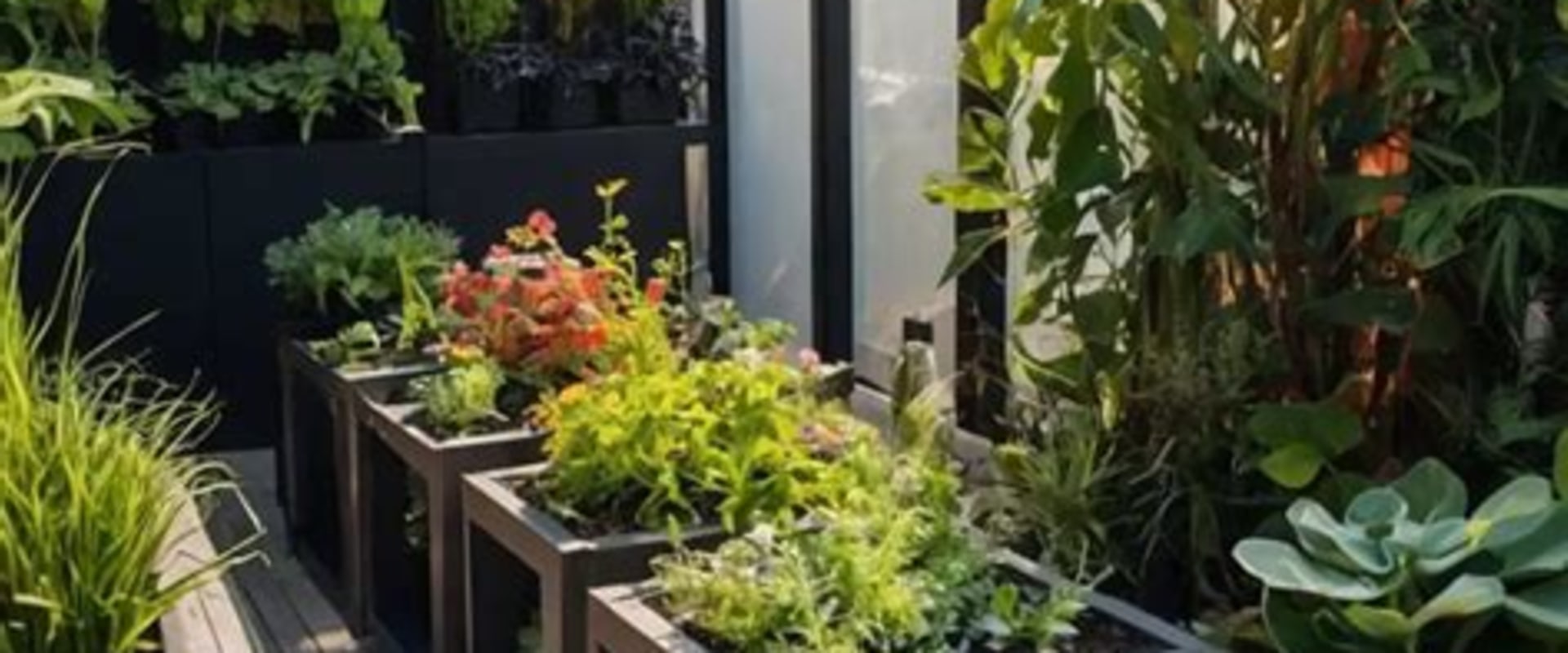
Creating a beautiful and functional garden in a small space can be a daunting task. Many gardeners face unique challenges when it comes to garden design and planning, particularly in limited areas. From restricted sunlight to soil quality issues, these factors can significantly impact the types of plants you can grow and the overall aesthetic of your garden. Understanding these challenges is the first step toward transforming your small garden into a thriving oasis. One of the most common issues in small gardens is the limited space available for planting.
This often leads to overcrowding, which can hinder plant growth and reduce air circulation. Additionally, small gardens may lack verticality, making it difficult to incorporate various layers of plants that add depth and interest. Furthermore, many gardeners struggle with planning small spaces effectively, often resulting in designs that feel cramped or chaotic rather than harmonious. Another challenge is the need for multifunctional elements within the garden. In a small area, every feature must serve a purpose, whether it's providing shade, acting as a focal point, or offering seating.
This necessity can complicate garden design, as it requires careful consideration of how each element interacts with others. By recognizing these challenges early on, you can begin to explore innovative solutions that maximize your garden's potential while creating a space that reflects your personal style.
Vertical Gardening Techniques
When it comes to maximizing space in a small garden, vertical gardening techniques are among the most effective strategies. By utilizing vertical space, you can grow a variety of plants without sacrificing precious ground area. Here are some popular methods to consider:- Trellises: Installing a trellis allows climbing plants such as peas, beans, and cucumbers to grow upwards rather than outwards.
This not only saves space but also enhances air circulation and sunlight exposure.
- Wall Planters: Transforming a bare wall into a living canvas can be achieved with wall planters. These can be made from various materials, including wood, metal, or recycled plastic. They are perfect for herbs, succulents, and even small flowering plants.
- Hanging Pots: Utilizing hanging pots is another excellent way to incorporate vertical gardening into your design. You can hang pots from ceilings, hooks, or even repurpose old ladders to create a unique display.
This method is ideal for trailing plants like strawberries or petunias.
- Vertical Garden Kits: For those new to gardening, vertical garden kits offer an all-in-one solution. These kits often include pre-planted pockets or modular systems that make it easy to start growing vertically.
- Select the Right Plants: Choose plants that naturally grow upwards or have a climbing habit. Varieties like morning glories, clematis, and even certain types of tomatoes can thrive in vertical setups.
- Ensure Proper Support: Make sure that your vertical structures are sturdy enough to support the weight of mature plants. Regularly check for any signs of wear or instability.
- Watering Considerations: Vertical gardens may require more frequent watering due to increased exposure to sunlight and wind.
Be mindful of the moisture needs of your plants.
Container Gardening: A Flexible Solution
Container gardening is an innovative approach that allows you to maximize space in a small garden while adding a touch of creativity to your garden design and planning. This method not only enhances the aesthetic appeal of your outdoor area but also offers practical benefits that can transform how you utilize your limited space.One of the primary advantages of container gardening is its mobility. Unlike traditional garden beds, containers can be easily moved to take advantage of sunlight or to create a more visually appealing layout. This flexibility allows you to experiment with different arrangements, ensuring that your garden remains dynamic and engaging throughout the seasons.Additionally, container gardening provides an opportunity to grow a variety of plants, from vibrant flowers to fresh herbs and vegetables.Here are some small garden ideas that can help you make the most of your container garden:
- Vertical Gardening: Utilize vertical space by stacking containers or using wall-mounted planters. This not only saves ground space but also creates an eye-catching display.
- Mix and Match: Combine different types of plants in a single container. Pairing tall plants with trailing varieties can create depth and interest.
- Portable Plants: Choose lightweight containers that can be easily relocated. This allows you to adapt your garden layout based on seasonal changes or personal preferences.
- Herb Gardens: Create a dedicated herb container garden on your patio or balcony.
Fresh herbs are not only useful for cooking but also add fragrance and beauty to your space.
Layering Plants for Depth and Interest
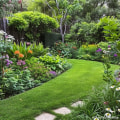
One of the most effective ways to maximize space in a small garden is through layering plants. This technique not only enhances the visual appeal of your garden but also allows you to make the most of your available area. By arranging plants in layers based on their height and type, you can create a sense of depth and interest that draws the eye and makes your garden feel more expansive.Start with the tallest plants
at the back of your garden bed or against a wall.These can include tall perennials, shrubs, or even small trees. By placing these larger plants at the rear, you ensure that they do not overshadow shorter plants while still providing a stunning backdrop.Next, incorporate medium-height plants in the middle layer. This could include flowering perennials or ornamental grasses that add texture and color without blocking the view of the taller plants behind them. Finally, fill in the front with low-growing plants such as ground covers or dwarf varieties that will create a lush, full look.
- Consider plant types: Mix different types of plants, such as evergreens for year-round structure and seasonal flowers for bursts of color.
- Use vertical space: Incorporate trellises or vertical planters to add height without taking up ground space.
- Group plants with similar needs: This not only simplifies care but also creates a cohesive look.
The goal is to create a harmonious arrangement where each plant complements its neighbors. For instance, pairing a tall sunflower with shorter marigolds can create a vibrant display while maximizing sunlight exposure for all plants involved.In conclusion, layering plants effectively is a crucial aspect of garden design and planning. By thoughtfully arranging your plants by height and type, you can create an inviting space that feels larger than it is while showcasing the beauty of each individual plant.
Utilizing Multi-Functional Garden Features
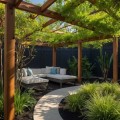
Maximizing space in a small garden can be achieved through the incorporation of multi-functional garden features. These innovative elements not only enhance the aesthetic appeal of your outdoor area but also serve practical purposes, making them ideal for compact spaces.One popular option is the use of benches with storage.These benches provide a comfortable seating area while cleverly concealing tools, cushions, or gardening supplies underneath. This dual functionality allows you to keep your garden tidy and organized without sacrificing seating space.Another effective solution is to install raised beds that double as seating. By designing raised beds with a wide enough top edge, you can create a place to sit while tending to your plants. This not only saves space but also encourages interaction with your garden, making it a more inviting environment.
- Vertical Planters: Utilizing vertical planters can significantly increase your planting area without taking up valuable ground space.
These can be wall-mounted or freestanding structures that allow you to grow herbs, flowers, or even vegetables upwards.
- Convertible Furniture: Look for garden furniture that can be easily transformed. For instance, tables that fold down or extend can adapt to your needs, providing extra space when required and compactness when not in use.
- Storage Ottomans: Incorporating ottomans that serve as both seating and storage can help keep your garden clutter-free. They are perfect for stowing away outdoor games or gardening tools while providing additional seating for guests.
Incorporating Pathways and Zones
Creating pathways and distinct zones in a small garden is essential for maximizing space while enhancing both usability and aesthetics.By carefully planning the layout, you can create a garden that feels larger and more organized.
Garden pathways
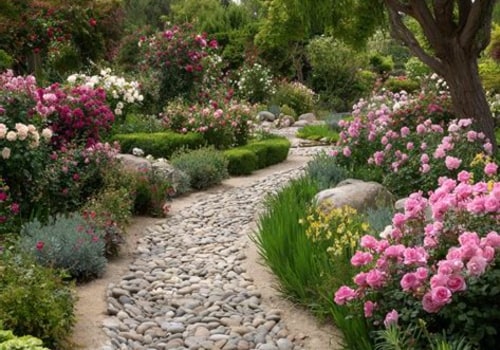
serve as the backbone of your garden design, guiding visitors through different areas while providing access to various plants and features. When designing pathways, consider using materials that complement your garden's style, such as gravel, stepping stones, or permeable pavers. These materials not only define the path but also allow for water drainage, which is crucial in maintaining healthy plants. To make the most of your small garden layout, think about incorporating zoning. This involves dividing your garden into distinct areas for different purposes, such as a seating area, a vegetable patch, or a flower bed.By creating zones, you can effectively utilize every inch of space while ensuring that each area serves a specific function. For example:
- Seating Area: Designate a cozy corner with benches or chairs surrounded by flowering plants to create an inviting retreat.
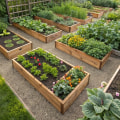
- Vegetable Patch: Use raised beds to maximize growing space and make maintenance easier.
- Flower Beds: Incorporate vertical gardening techniques with trellises or wall planters to add color without taking up ground space.
This strategic approach not only enhances accessibility but also allows for diverse plantings and activities, making your garden a true extension of your home.
Choosing the Right Plants for Small Spaces
When it comes to garden design and planning for small spaces, choosing the right plants is crucial. Opting for compact plants not only maximizes your garden's aesthetic appeal but also ensures that you can enjoy a lush environment without overwhelming your limited area.Best Plants for Small Gardens
- Herbs: Consider growing herbs like basil, thyme, and rosemary. They are not only low-maintenance but also add flavor to your meals.
- Succulents: These drought-resistant plants come in various shapes and sizes, making them perfect for small gardens. They require minimal watering and care.
- Dwarf Varieties: Look for dwarf versions of popular plants, such as dwarf fruit trees or dwarf conifers, which provide the same beauty without taking up too much space.
- Perennials: Choose perennials like daylilies or hostas that return year after year, providing consistent color and texture with little effort.
- Container Plants: Utilize pots to grow plants like geraniums or petunias.
This allows you to rearrange your garden layout easily and maximize sunlight exposure.
Low-Maintenance Gardening Tips
To further enhance your small garden's efficiency, consider these low-maintenance gardening tips:- Mulching: Apply mulch around your plants to retain moisture and suppress weeds, reducing the need for frequent watering and weeding.
- Irrigation Systems: Install a drip irrigation system to ensure your plants receive consistent moisture without the hassle of manual watering.
- Native Plants: Incorporate native plants that are adapted to your local climate. They typically require less water and care, making them ideal for small gardens.
Seasonal Planning and Maintenance Tips
To ensure your small garden remains vibrant and productive throughout the year, seasonal planning and maintenance are crucial. By understanding the unique needs of your plants in different seasons, you can maximize your garden's potential.Spring: Preparation and Planting
As the weather warms, it's time to prepare your garden for new growth. Start by:- Clearing debris: Remove any dead plants or leaves from the previous season to prevent pests and diseases.
- Soil testing: Check the pH and nutrient levels of your soil to determine if amendments are needed.
- Choosing the right plants: Opt for compact varieties that thrive in small spaces, such as dwarf tomatoes or bush beans.
Summer: Maintenance and Harvesting
During the summer months, focus on maintaining your garden's health:- Regular watering: Small gardens can dry out quickly, so ensure consistent moisture without overwatering.
- Pest control: Monitor for pests and use organic methods to keep them at bay, such as introducing beneficial insects.
- Harvesting regularly: Frequent harvesting encourages more growth and prevents overcrowding.
Fall: Cleanup and Preparation for Winter
As temperatures drop, it's essential to prepare your garden for winter:- Cut back perennials: Trim dead foliage to promote healthy growth in the spring.
- Add mulch: A layer of mulch helps insulate the soil and retain moisture during colder months.
- Plan for next year: Take notes on what worked well and what didn’t to improve your garden design and planning for the next season.
Winter: Planning Ahead
Even in winter, you can keep your gardening spirit alive:- Research new plants: Use this time to explore new varieties that could enhance your small garden.
- Create a layout plan: Sketch out ideas for next year’s planting scheme, considering crop rotation and companion planting.
- Indoor gardening: Consider starting seeds indoors or growing herbs on a windowsill to maintain a connection with gardening during the colder months.
FAQs About Small Garden Design and Planning
When it comes to small garden design and planning, many gardeners have similar questions.Here are some frequently asked questions that can help you maximize your small garden space.
What are the best plants for a small garden?
Choosing the right plants is crucial for a successful small garden. Opt for compact varieties or dwarf plants that won’t overwhelm your space. Consider herbs, such as basil and thyme, which can be grown in pots or window boxes. Additionally, vertical gardening options like climbing beans or peas can save ground space while adding greenery.How can I create the illusion of more space?
To make your small garden feel larger, use mirrors strategically placed to reflect light and greenery.Incorporating light colors in your garden decor and furniture can also create a sense of openness. Furthermore, using layered planting, where taller plants are placed at the back and shorter ones at the front, can add depth to your design.
What are some effective layout ideas?
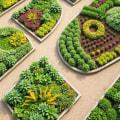
- Grid Layout: This method involves creating a grid pattern with pathways and planting areas, making it easy to navigate.
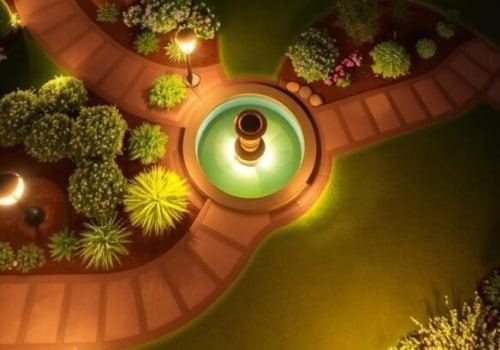
- Circular Design: A circular layout can draw the eye inward, creating a focal point that makes the space feel more expansive.
- Zoning: Divide your garden into zones for different purposes, such as a seating area, vegetable patch, or flower bed.