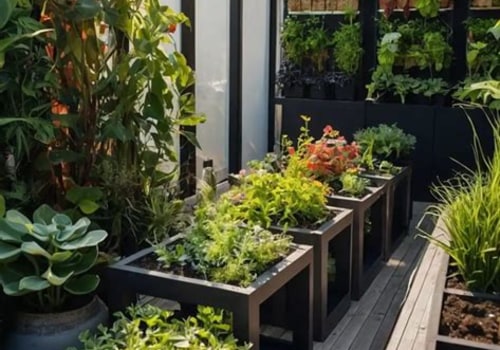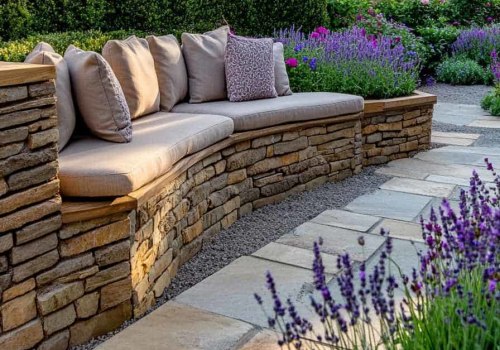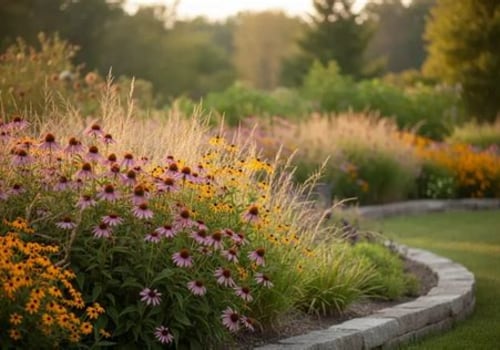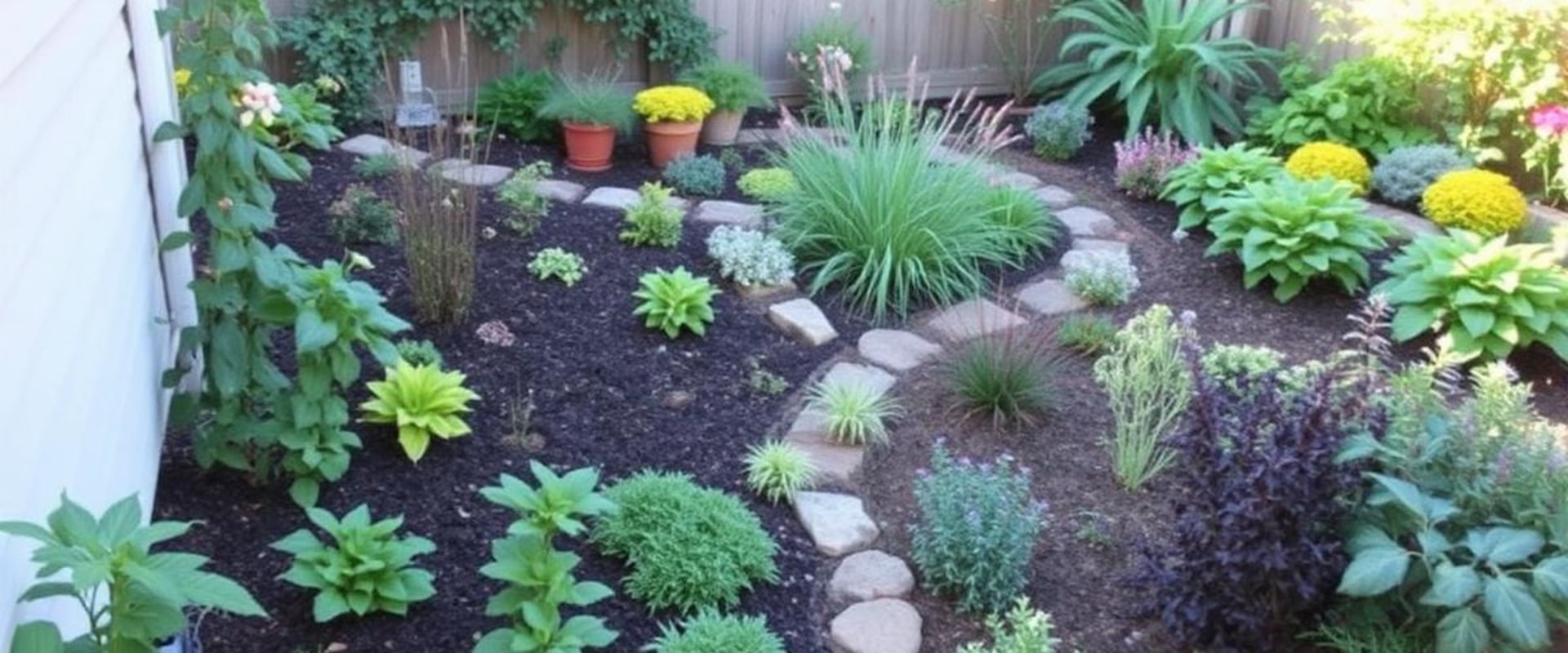
When embarking on the journey of garden design and planning, understanding the fundamentals is crucial for creating a space that is not only visually appealing but also functional and sustainable. A well-thought-out garden layout can transform an ordinary outdoor area into a vibrant sanctuary that reflects your personal style while accommodating the needs of various plants. The first step in this process is to grasp the basic principles of garden design, which include assessing your space, considering environmental factors, and selecting appropriate plants. One of the key aspects of garden planning is understanding the layout. This involves mapping out your garden's dimensions, noting sunlight patterns, and identifying existing features such as trees or structures that may influence your design.
A successful garden layout should promote good circulation, allowing easy access to different areas while ensuring that plants have enough space to thrive. Additionally, incorporating elements like pathways, seating areas, and focal points can enhance the overall aesthetic and functionality of your garden. Another vital consideration in garden design basics is plant selection. Choosing the right plants for your specific climate and soil type is essential for a thriving garden. It's important to consider factors such as growth habits, seasonal changes, and maintenance requirements.
By selecting a diverse range of plants that bloom at different times throughout the year, you can create a dynamic landscape that offers visual interest in every season. Lastly, don't overlook environmental considerations when planning your garden. Understanding local wildlife, water drainage patterns, and soil health can significantly impact your garden's success. By integrating sustainable practices such as composting and native plant selection, you can create an eco-friendly garden that not only looks beautiful but also supports local ecosystems.
Neglecting to Plan for the Space Available
When it comes to garden design and planning, one of the most critical mistakes is neglecting to plan for the space available. Many novice gardeners dive into planting without fully assessing their garden's dimensions, leading to layouts that are either overcrowded or too sparse.This oversight can significantly impact the overall health and aesthetics of the garden.
Garden space planning
begins with a thorough evaluation of the area you have. Consider the following:- Measurements: Accurately measure the length and width of your garden space. This will help you understand how much room you have for various plants and features.
- Sunlight Exposure: Observe how sunlight moves across your garden throughout the day. Different plants have varying light requirements, and knowing where the sun hits can influence your plant choices.
- Soil Quality: Assess the soil type and quality in your garden.
Some areas may be more fertile than others, affecting plant growth.
Additionally, grouping plants with similar water and sunlight needs can enhance both aesthetics and maintenance efficiency.In summary, taking the time to accurately assess your available space is essential in garden design and planning. By avoiding the pitfalls of poor space management, you can create a thriving garden that is both beautiful and functional.
Ignoring Soil Quality and Drainage
When it comes to garden design and planning, one of the most critical aspects that often gets overlooked is soil quality. The health of your plants is directly linked to the condition of the soil they grow in. Poor soil quality can lead to stunted growth, nutrient deficiencies, and even plant death.Therefore, understanding the composition of your soil is essential for a thriving garden.
Soil Testing for Gardens
- Conducting a soil test is the first step in assessing soil quality. This process helps determine pH levels, nutrient content, and organic matter.
- Many local agricultural extensions offer testing services, or you can purchase a DIY kit from a garden center.
- Based on the results, you can amend your soil with fertilizers or organic matter to create a more hospitable environment for your plants.
Drainage Issues in Gardens
Another common mistake in garden design is neglecting proper drainage. Waterlogged soil can suffocate roots and promote diseases such as root rot. Here are some tips to ensure adequate drainage:
- Choose the right location for your garden beds; avoid low-lying areas where water tends to pool.
- If your soil has poor drainage, consider building raised beds to elevate plants above potential water accumulation.
- Add organic matter like compost to improve soil structure and enhance drainage capabilities.
By taking these factors into account, you can create a flourishing garden that thrives year after year.
Choosing the Wrong Plants for Your Climate
One of the most critical mistakes novice gardeners make is choosing the wrong plants for their climate. Understanding your local climate conditions is essential for successful garden design and planning. Plants that are not suited to your area's climate may struggle to survive, leading to wasted time, effort, and resources.To avoid this pitfall, familiarize yourself with your plant hardiness zone. The USDA Plant Hardiness Zone Map is a valuable tool that categorizes regions based on their average annual minimum winter temperature.By knowing your zone, you can select plants that are more likely to thrive in your specific environment.When selecting plants, consider the following factors:
- Temperature: Some plants are sensitive to extreme heat or cold. Choose varieties that can withstand the temperature fluctuations typical of your area.
- Humidity: High humidity can promote fungal diseases, while low humidity may stress certain plants. Select species that are adapted to your local moisture levels.
- Soil Type: Different plants have varying soil requirements. Conduct a soil test to determine pH and nutrient levels, and choose plants that will thrive in your soil conditions.
- Sunlight Exposure: Assess how much sunlight your garden receives throughout the day.
Some plants require full sun, while others prefer partial shade.
Overlooking Sunlight Requirements
When it comes to garden design and planning, one of the most critical aspects to consider is the sunlight requirements of the plants you intend to grow.Different plants have varying needs for sunlight, and overlooking these requirements can lead to poor growth or even plant failure.To effectively assess the sunlight in your garden, start by observing how sunlight moves across your space throughout the day. Take note of areas that receive full sun (6 or more hours of direct sunlight), partial sun (3-6 hours), and full shade (less than 3 hours). This will help you categorize your garden into zones based on light availability.
Understanding Plant Sunlight Needs
- Full Sun Plants: These plants thrive in direct sunlight for most of the day. Examples include tomatoes, sunflowers, and lavender.
- Partial Sun Plants: These plants prefer a mix of sun and shade.
They do well in dappled light or areas that receive morning sun and afternoon shade, such as ferns and astilbes.
- Shade Plants: Ideal for areas with little to no direct sunlight, these plants include hostas and fuchsia, which can flourish in cooler, shaded environments.
Failing to Create a Focal Point
One of the most significant mistakes in garden design and planning is neglecting to create a focal point.A focal point serves as the centerpiece of your garden, drawing the eye and providing a sense of structure and purpose. Without it, a garden can feel chaotic and uninviting, lacking the visual interest that makes it enjoyable.
Why is a Focal Point Important?
- Creates Visual Interest: A well-placed focal point can transform an ordinary garden into an extraordinary one. It adds depth and dimension, making the space more engaging.
- Guides the Eye: Focal points help guide visitors through the garden, leading them from one area to another while maintaining their interest.
- Enhances Aesthetics: A striking focal point can elevate the overall aesthetic of your garden, making it more appealing and harmonious.
Types of Focal Points
When considering what type of focal point to incorporate into your garden design, think about elements that resonate with your personal style and the overall theme of your space. Here are some popular options:
- Sculptures or Statues: Artistic pieces can serve as stunning focal points, adding character and charm.
- Water Features: Ponds, fountains, or waterfalls not only attract attention but also introduce soothing sounds and movement.
- Unique Plants: Specimen plants or trees with interesting shapes or colors can stand out as natural focal points.
- Garden Structures: Arbors, trellises, or pergolas can create vertical interest and serve as a backdrop for climbing plants.
Tips for Creating a Focal Point
To effectively incorporate a focal point into your garden design:
- Select a Location: Choose a spot that is visible from various angles within the garden.
- Consider Scale: Ensure that your focal point is proportionate to the surrounding elements to maintain balance.
- Add Surrounding Interest: Use complementary plants or features around your focal point to enhance its appeal without overshadowing it.
By avoiding the common mistake of overlooking this essential element in garden design and planning, you can create a space that is both inviting and visually captivating.
Neglecting Maintenance Considerations
When embarking on garden design and planning, one of the most critical aspects often overlooked is the long-term maintenance of the garden. Neglecting to consider how much upkeep your garden will require can lead to frustration and disappointment down the line. Here are some key points to keep in mind:- Assess Your Time Commitment: Before you start planting, evaluate how much time you can realistically dedicate to garden upkeep. If you have a busy schedule, opting for a low maintenance garden design is essential.
This might include choosing native plants that thrive in your local climate and require less watering and care.
- Choose the Right Plants: Selecting plants that are suited to your environment can significantly reduce maintenance needs. Consider drought-resistant varieties or perennials that don’t require frequent replanting. This not only saves time but also enhances the sustainability of your garden.
- Plan for Seasonal Changes: A well-designed garden should look good year-round. Incorporate plants that provide interest in different seasons, which can minimize the need for constant replanting and upkeep.
- Incorporate Hardscaping: Adding pathways, patios, or decorative stones can reduce the area that needs regular maintenance.
Hardscaping elements can also help with drainage and soil erosion, making your garden easier to manage.
- Implement Efficient Watering Systems: Consider installing drip irrigation or soaker hoses to ensure your plants receive adequate moisture without requiring daily attention. This not only conserves water but also simplifies your watering routine.
Ignoring Seasonal Changes and Plant Growth Cycles
One of the most significant mistakes in garden design and planning is ignoring the impact of seasonal changes and the growth cycles of plants. Understanding these factors is crucial for creating a garden that thrives throughout the year.Seasonal Gardening Tips:
Each season brings unique challenges and opportunities for your garden.
For instance, spring is ideal for planting new seeds and young plants, while summer requires careful watering and maintenance to prevent drought stress. In contrast, fall is the perfect time for planting perennials and preparing your garden for winter. By aligning your gardening activities with the seasons, you can enhance plant health and productivity.
Plant Growth Cycles:
Different plants have varying growth cycles, which can significantly influence your garden's design. For example, some plants may bloom early in the spring, while others may not flower until late summer or fall.
When selecting plants, consider their growth habits and flowering times to ensure a continuous display of color and interest throughout the year. This approach not only enhances visual appeal but also supports local wildlife by providing food sources at different times.
Year-Round Gardening Strategies:
To create a sustainable garden that remains vibrant year-round, incorporate a mix of annuals, perennials, and evergreens. This diversity allows for a dynamic landscape that changes with the seasons while ensuring that there is always something in bloom or providing structure. Additionally, consider using seasonal decorations or features such as ornamental grasses or winter-blooming plants to maintain visual interest during colder months.By paying attention to seasonal changes and plant growth cycles, you can avoid common pitfalls in garden design.
This foresight not only leads to a more beautiful garden but also fosters a healthier ecosystem that can adapt to changing conditions.
Conclusion: Key Takeaways on Garden Design Mistakes to Avoid
In conclusion, avoiding common mistakes in garden design and planning is crucial for creating a thriving outdoor space that meets your needs and enhances your property. By being aware of these pitfalls, you can ensure that your garden not only looks beautiful but also functions effectively. Here are the key takeaways to remember:- Neglecting Site Analysis: Always assess your garden's location, including sunlight, soil type, and drainage. This foundational step will guide your plant selection and layout.
- Overcrowding Plants: Give each plant enough space to grow. Overcrowding can lead to competition for nutrients and water, ultimately harming your garden's health.
- Ignoring Maintenance Needs: Choose plants that fit your lifestyle.
If you prefer low-maintenance options, select species that require less care and are suited to your climate.
- Forgetting About Seasonal Changes: Plan for year-round interest by incorporating a variety of plants that bloom in different seasons. This will keep your garden vibrant throughout the year.
- Lack of a Clear Design Plan: Sketch out a design before planting. A well-thought-out plan helps visualize the final look and ensures that all elements work harmoniously together.