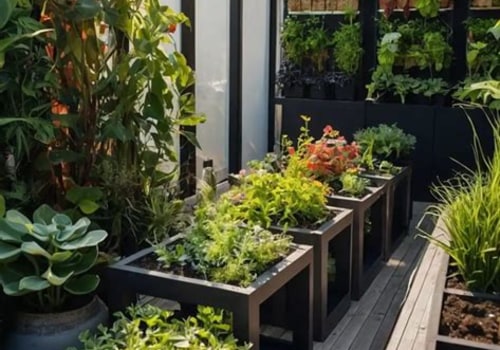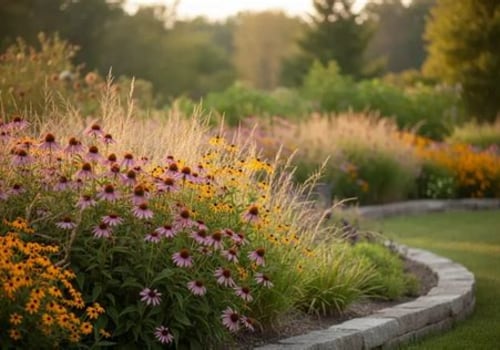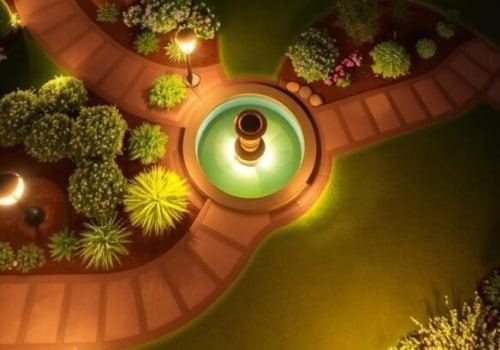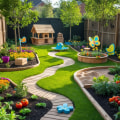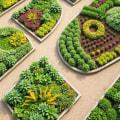
When embarking on the journey of garden design and planning, the first step is to thoroughly understand your available space and the climate conditions that will influence your garden's success. Assessing your garden space involves more than just measuring the area; it requires a keen observation of the environment around you. Consider factors such as the proximity to trees, buildings, and other structures that may cast shadows, limiting sunlight exposure. A well-lit garden is essential for most vegetables and herbs, so identifying areas that receive at least six hours of direct sunlight daily is crucial. In addition to sunlight, climate considerations play a pivotal role in determining what plants will thrive in your garden.
Understanding your local climate zone can help you select varieties that are well-suited to your region's temperature fluctuations and seasonal changes. For instance, if you live in a cooler climate, you might want to focus on cold-hardy crops like kale and spinach, while warmer regions may be ideal for tomatoes and peppers. Furthermore, consider the moisture levels in your area; some plants require well-drained soil, while others thrive in more humid conditions. Choosing the right garden location is equally important. Look for areas that are easily accessible for maintenance and harvesting.
If you plan to incorporate raised beds or containers, ensure they are placed where they can be easily reached without obstructing pathways or other garden features. By taking the time to evaluate these elements—sunlight exposure, climate conditions, and accessibility—you lay a solid foundation for a flourishing vegetable or herb garden that not only meets your culinary needs but also enhances your outdoor space.
Choosing the Right Vegetables and Herbs
When it comes to garden design and planning, selecting the right vegetables and herbs is crucial for a thriving garden. Your choices should reflect personal preferences, local climate, and effective planting strategies.Best Vegetables for Your Garden
Start by considering the best vegetables for your garden. Some popular options include:- Tomatoes: Versatile and rewarding, they thrive in warm weather.
- Carrots: Easy to grow and can be harvested at various sizes.
- Lettuce: Quick to mature, making it ideal for successive planting.
- Peppers: Available in many varieties, they add flavor and color.
Herb Selection
Herbs not only enhance your meals but also attract beneficial insects.When selecting herbs, consider:
- Basil: A favorite for its aromatic leaves, perfect for summer dishes.
- Parsley: A hardy herb that can be grown year-round in many climates.
- Cilantro: Thrives in cooler weather, making it great for spring and fall gardens.
Companion Planting
Companion planting is a strategy that involves growing certain plants together to enhance growth and deter pests. For example:- Tall plants like corn can provide shade for shade-loving crops like lettuce.
- Nasturtiums can repel aphids when planted near vegetables like cabbage.
Seasonal Planting
Your local climate will dictate the best times for planting. Understanding your growing season is essential. For instance:- Cool-season crops , such as peas and spinach, should be planted in early spring or fall.
- Warm-season crops , like tomatoes and peppers, should be planted after the last frost date.
Soil Preparation and Fertility Management
When it comes to garden design and planning, the foundation of a successful vegetable or herb garden lies in the quality of the soil.Proper soil preparation is essential for creating a fertile environment that supports healthy plant growth.
Soil Testing
- Before planting, conduct a soil test to determine pH levels and nutrient content. This will help you understand what amendments are necessary to optimize soil health.
- Soil tests can be performed using DIY kits or by sending samples to a local agricultural extension office for analysis.
- Based on the results, you can make informed decisions about which nutrients need to be added to your soil.
Soil Amendments
- Organic matter, such as compost or well-rotted manure, can significantly improve soil structure, drainage, and nutrient retention.
- Additions like peat moss or vermiculite can enhance aeration and moisture retention, making them excellent choices for improving heavy clay soils.
- Consider incorporating natural minerals like rock phosphate or greensand to provide essential trace elements that support plant health.
Organic Fertilizers
- Utilizing organic fertilizers, such as bone meal, fish emulsion, or seaweed extract, can provide a slow-release source of nutrients that are less likely to leach away compared to synthetic options.
- These fertilizers not only nourish plants but also contribute to the overall health of the soil ecosystem by promoting beneficial microbial activity.
- Regularly applying organic fertilizers throughout the growing season can help maintain soil fertility and support robust plant growth.
Garden Layout and Design Principles
When it comes to garden design and planning, the layout is a crucial aspect that can significantly influence both the aesthetics and functionality of your vegetable or herb garden. Understanding various layout options will help you make informed decisions that suit your space and gardening goals.Raised Beds
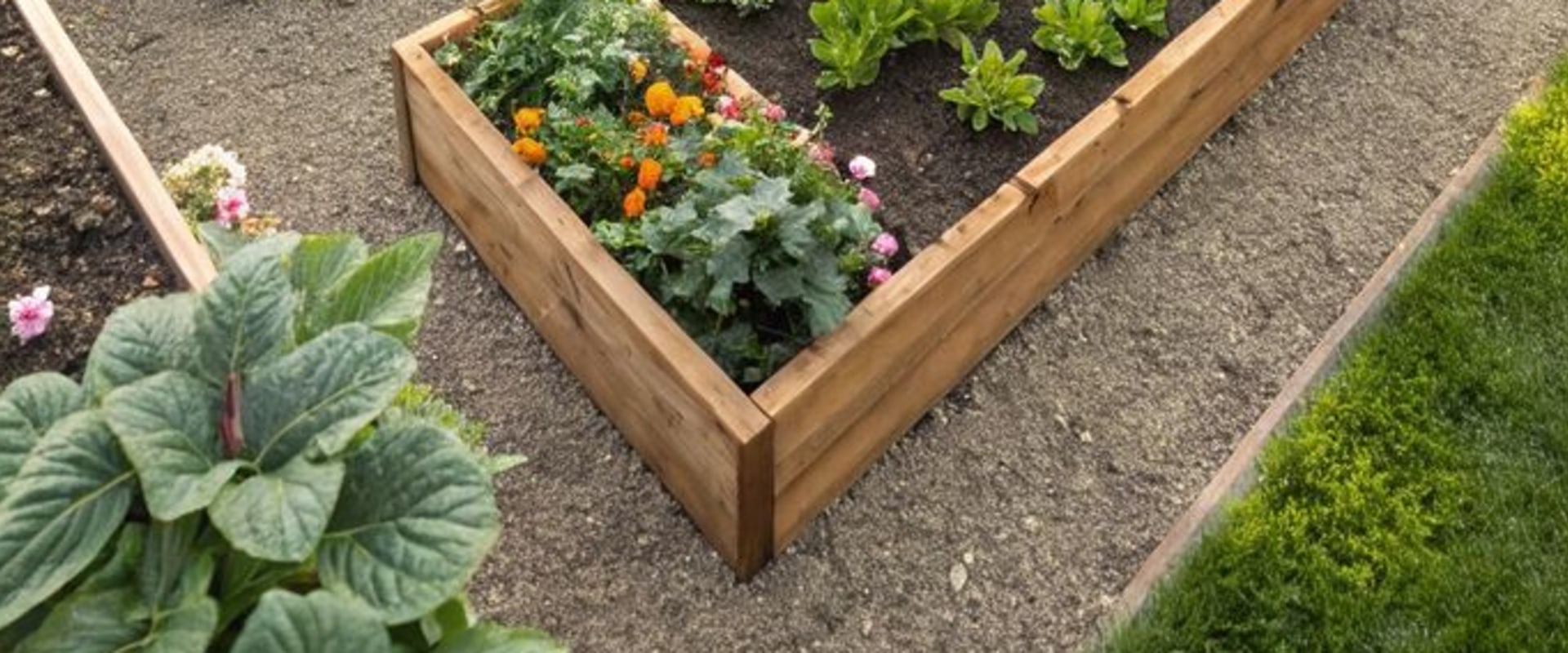
Raised beds are an increasingly popular choice for gardeners looking to maximize their growing space while minimizing maintenance.These elevated structures allow for better soil drainage, improved accessibility, and can even extend the growing season. When designing raised beds, consider their height, width, and spacing. A height of 12 to 24 inches is ideal for most vegetables, while a width of 4 feet allows easy access from both sides.
Row Gardening
Row gardening is a traditional method that involves planting crops in straight lines. This layout is particularly effective for larger gardens where space is abundant.It facilitates easy access for weeding, watering, and harvesting. When planning rows, ensure they are spaced adequately to allow for air circulation and sunlight exposure, which are vital for healthy plant growth.
Vertical Gardening
If you're limited on space, vertical gardening offers an innovative solution. This method involves growing plants upwards using trellises, wall planters, or hanging pots. Not only does this save ground space, but it also adds visual interest to your garden.When designing a vertical garden, choose plants that naturally climb or trail, such as peas, cucumbers, or strawberries.
Design Principles
- Balance: Distribute plants evenly to create a harmonious look.
- Contrast: Use different colors and textures to make certain areas stand out.
- Repetition: Repeat certain plants or design elements to create unity.
- Proportion: Ensure that plant sizes are appropriate for the space they occupy.
Watering Strategies and Irrigation Systems
Effective watering strategies are crucial for the success of your vegetable or herb garden. Understanding the specific needs of your plants and the environmental conditions will help you choose the right approach.Watering Techniques
There are several watering techniques you can employ:- Hand Watering: This method allows for precise control over how much water each plant receives. Use a watering can or hose with a spray nozzle to avoid overwatering.
- Soaker Hoses: These hoses deliver water directly to the soil, minimizing evaporation and runoff.
Lay them out in your garden beds for efficient watering.
- Sprinklers: Ideal for larger gardens, sprinklers can cover a wide area. However, they may lead to water waste through evaporation and runoff if not used carefully.
Irrigation Systems
For more extensive gardens, consider installing an irrigation system. Here are some popular options:- Drip Irrigation: This system delivers water directly to the roots of plants through a network of tubing and emitters. It is highly efficient and conserves water by reducing evaporation.
- Spray Irrigation: Similar to traditional sprinklers but more efficient, spray irrigation systems can be automated to ensure consistent watering schedules.
- Subsurface Irrigation: This method involves burying hoses or tubes below the soil surface, providing moisture directly to the root zone while minimizing evaporation.
Rainwater Harvesting
Rainwater harvesting is an eco-friendly way to supplement your garden's water supply.By collecting rainwater from roofs and directing it into barrels or cisterns, you can reduce reliance on municipal water sources. This practice not only conserves water but also provides plants with natural, chemical-free moisture.In conclusion, selecting the right watering strategies and irrigation systems is essential for maintaining a healthy vegetable or herb garden. By understanding your plants' needs and utilizing efficient methods like drip irrigation and rainwater harvesting, you can ensure optimal growth while conserving resources.
Pest Management and Organic Practices
Effective pest management is crucial for the success of any vegetable or herb garden. By adopting organic practices, gardeners can create a thriving ecosystem that minimizes the need for synthetic pesticides while promoting biodiversity.One of the foundational strategies in organic gardening is the use of natural pest control methods.These methods include:
- Beneficial Insects: Introducing or attracting beneficial insects, such as ladybugs and lacewings, can help control pest populations naturally.
- Neem Oil: Derived from the seeds of the neem tree, this natural pesticide disrupts the life cycle of pests without harming beneficial insects.
- Insecticidal Soaps: These soaps can effectively target soft-bodied insects like aphids and spider mites while being safe for plants and the environment.
- Basil and Tomatoes: Basil not only enhances the flavor of tomatoes but also repels harmful insects like thrips and tomato hornworms.
- Nasturtiums and Cabbage: Nasturtiums act as a trap crop, luring aphids away from cabbage and other brassicas.
Seasonal Maintenance and Harvesting Tips
Maintaining a vegetable or herb garden requires attention throughout the seasons to ensure optimal growth and yield.Here are some essential seasonal maintenance tips and harvesting techniques to keep your garden thriving.
Spring Tasks
- Soil Preparation: As the frost melts, begin by testing your soil's pH and nutrient levels. Amend the soil with organic matter such as compost to enhance fertility.
- Planting: Start sowing seeds for cool-season crops like lettuce, peas, and radishes. Follow the recommended planting depth and spacing for each variety.
- Pest Management: Monitor for early signs of pests and diseases. Implement organic pest control methods, such as introducing beneficial insects or using neem oil.
Summer Care
- Watering: Ensure consistent moisture, especially during dry spells.
Water deeply in the morning to encourage strong root development.
- Weeding: Regularly remove weeds that compete for nutrients and water. Mulching can help suppress weed growth while retaining soil moisture.
- Fertilizing: Apply a balanced fertilizer every few weeks to support vigorous growth during the peak growing season.
Fall Maintenance
- Harvesting: Time your harvests based on the maturity of your crops. For instance, leafy greens can be harvested continuously, while root vegetables should be pulled when they reach their desired size.
- Crop Rotation: Plan for next year by rotating crops to prevent soil depletion and reduce pest buildup. Avoid planting the same family of plants in the same spot consecutively.
- Preparing for Winter: Clear out spent plants and debris to minimize disease risk.
Consider planting cover crops to improve soil health over winter.
Common Challenges in Garden Design and Solutions
Designing a vegetable or herb garden can be a rewarding experience, but it often comes with its own set of challenges. Here are some common gardening problems and practical solutions to help you navigate the complexities of garden design and planning.- Poor Soil Quality: One of the most significant challenges in garden design is dealing with poor soil. To improve soil quality, consider conducting a soil test to determine pH and nutrient levels.
Based on the results, you can amend the soil with organic matter such as compost or well-rotted manure to enhance fertility and drainage.
- Insufficient Sunlight: Many vegetables and herbs require at least 6-8 hours of sunlight daily. If your garden area is shaded, try relocating your garden to a sunnier spot or using raised beds that can be positioned for optimal light exposure. Additionally, consider planting shade-tolerant varieties in less sunny areas.
- Pest Management: Pests can quickly become a problem in any garden. Implementing integrated pest management (IPM) strategies can help.
This includes introducing beneficial insects, using organic pesticides, and practicing crop rotation to disrupt pest life cycles.
- Watering Issues: Overwatering or underwatering can lead to plant stress. To address this, install a drip irrigation system that delivers water directly to the roots, ensuring consistent moisture levels. Additionally, mulch around plants to retain soil moisture and reduce evaporation.
- Space Constraints: Limited space can hinder your gardening ambitions. Consider vertical gardening techniques, such as trellises or wall planters, to maximize your growing area.
Container gardening is also an excellent option for small spaces, allowing you to grow herbs and vegetables in pots.