When embarking on the journey of garden design and planning, it is essential to grasp the foundational principles that will guide your efforts. A well-designed garden is not merely a collection of plants; it is a harmonious blend of aesthetics, functionality, and sustainability. Understanding the basics of garden design allows you to create a space that reflects your personal style while also meeting the practical needs of the environment. At its core, garden planning involves several key elements that contribute to a successful outdoor space. These include considerations such as site analysis, plant selection, and layout design.
By assessing factors like sunlight exposure, soil quality, and climate conditions, you can make informed decisions that enhance the health and beauty of your garden. Additionally, incorporating elements such as pathways, seating areas, and water features can elevate the overall experience of your garden. Moreover, understanding the importance of balance and proportion in your design will help create a visually appealing landscape. Whether you are aiming for a formal garden with structured lines or a more relaxed cottage-style garden, these principles will guide you in achieving a cohesive look. As you delve deeper into the world of garden design, remember that each choice you make contributes to the overall narrative of your outdoor space, making it uniquely yours.
Assessing Your Space and Environment
When embarking on garden design and planning, the first step is to thoroughly assess your space and environment.This process, often referred to as garden site analysis, involves evaluating various factors that will influence the success of your garden.
1.Sunlight Exposure
- Observe how much sunlight your garden area receives throughout the day. Most plants thrive in full sun, which means at least six hours of direct sunlight daily.
- Identify any shaded areas caused by trees, buildings, or fences, as these will affect plant selection and placement.
2.Soil Quality
- Conduct a soil test to determine pH levels and nutrient content. Healthy soil is crucial for plant growth.
- Consider the soil texture—whether it is sandy, clayey, or loamy—as this will impact drainage and moisture retention.
- If necessary, amend the soil with organic matter or fertilizers to create an optimal growing environment.
3.Climate Considerations
- Understand your local climate zone, as this will dictate which plants are suitable for your garden.
- Take note of seasonal weather patterns, including rainfall and temperature fluctuations, to plan for irrigation and plant hardiness.
4.Space Utilization
- Measure the dimensions of your garden area to maximize space efficiency. Consider vertical gardening options if space is limited.
- Plan pathways and seating areas to ensure accessibility and enjoyment of your garden.
Defining Your Garden's Purpose and Style
When embarking on garden design and planning, the first step is to clearly define your garden's purpose.Understanding how you intend to use the space will guide many of your decisions, from layout to plant selection. Consider the following common purposes for gardens:
- Relaxation: If your goal is to create a tranquil retreat, focus on elements that promote peace, such as comfortable seating areas, soothing water features, and fragrant plants.
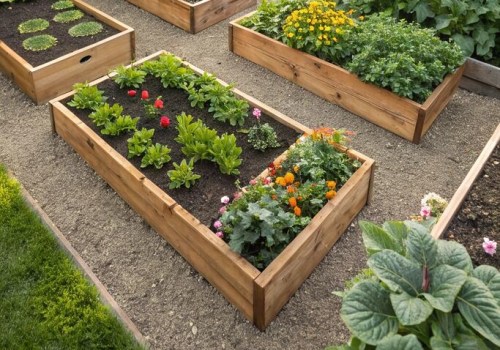
- Food Production: For those interested in growing their own food, a vegetable or herb garden can be both rewarding and practical. Plan for adequate sunlight, soil quality, and accessibility for maintenance.
- Entertainment: If you envision hosting gatherings, design your garden with ample space for seating and socializing. Incorporate features like fire pits or outdoor kitchens to enhance the experience.
- Modern: Characterized by clean lines and minimalistic design, modern gardens often feature geometric shapes and a limited plant palette.
- Cottage: This style embraces a more relaxed and informal approach, with an abundance of colorful flowers and a mix of plants that create a lush, inviting atmosphere.
- Zen: Inspired by Japanese aesthetics, Zen gardens focus on simplicity and tranquility.
They often include elements like rocks, gravel, and carefully placed plants to promote meditation.
Choosing the Right Plants for Your Garden
When it comes to garden design and planning, selecting the right plants is crucial for creating a thriving and visually appealing space. The choice of plants should be guided by several key factors, including climate, soil type, and personal aesthetic preferences.1.Understanding Your Climate
- Before selecting plants, assess your local climate.
Different plants thrive in different conditions, so understanding your USDA hardiness zone can help you choose species that will flourish in your garden.
- Consider seasonal variations; some plants may require specific conditions during winter or summer months.
2.Soil Type Considerations
- The type of soil in your garden—whether sandy, clay, or loamy—will significantly influence plant growth. Conduct a soil test to determine pH levels and nutrient content.
- Choose plants that are well-suited to your soil type. For instance, succulents prefer well-drained sandy soils, while ferns thrive in rich, moist environments.
3.Aesthetic Preferences and Plant Compatibility
- Think about the overall look you want to achieve. Do you prefer a vibrant, colorful garden or a more subdued palette? Selecting plants with complementary colors and textures can enhance visual appeal.
- Consider plant compatibility; some species can inhibit the growth of others.
Research companion planting techniques to create a harmonious ecosystem within your garden.
4.Emphasizing Biodiversity and Sustainability
- Incorporating a variety of plants not only enhances beauty but also promotes biodiversity. Native plants are often more resilient and require less maintenance.
- Opt for sustainable practices by choosing drought-resistant varieties or those that attract beneficial insects like pollinators.
Incorporating Hardscaping Elements
When it comes to garden design and planning, incorporating hardscaping elements is essential for creating a balanced and functional outdoor space. Hardscaping refers to the non-plant elements of a garden, such as paths, patios, walls, and other structures that provide structure and organization.Enhancing Functionality with Pathways
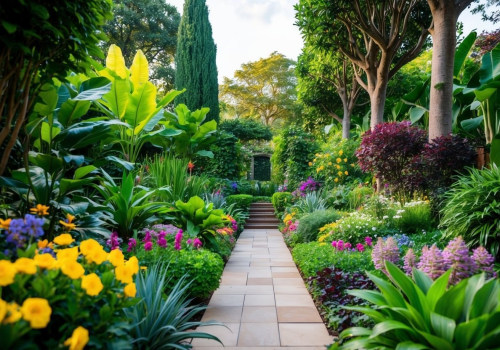
One of the primary roles of hardscaping in garden design is to establish clear pathways.Garden pathways
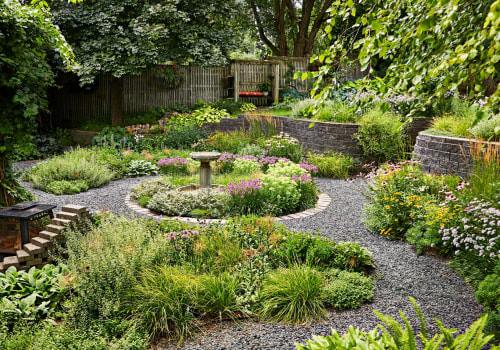
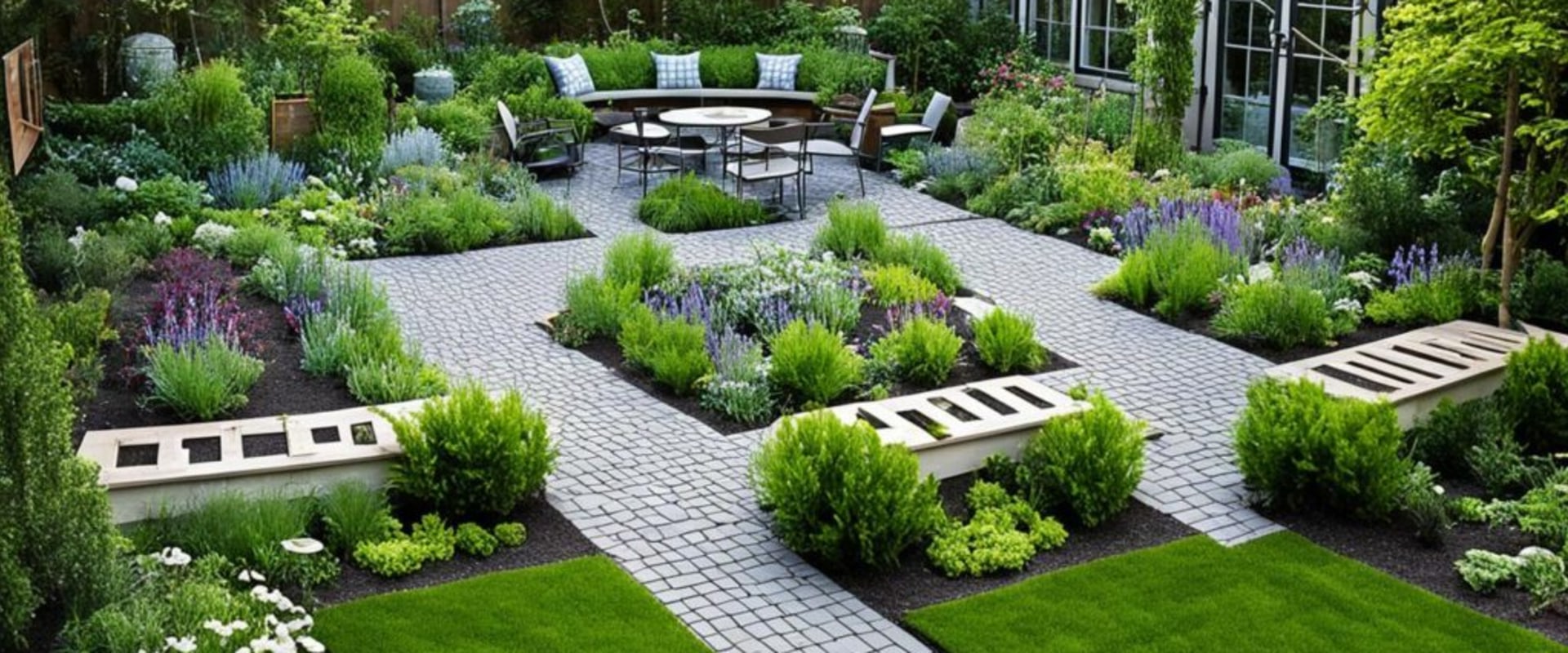
not only guide visitors through the space but also help define different areas within the garden.When designing pathways, consider materials that complement your overall aesthetic, such as natural stone, brick, or gravel. Additionally, ensure that the paths are wide enough for comfortable navigation and are strategically placed to connect key areas like seating zones and plant beds.
Creating Outdoor Living Spaces
Another important aspect of hardscaping is the inclusion of outdoor structures.Patios
, decks, and pergolas can transform a garden into an inviting outdoor living area. These structures provide a place for relaxation and entertainment while enhancing the overall visual appeal of the garden.When planning these features, think about their orientation to maximize sunlight exposure and consider incorporating built-in seating or fire pits for added functionality.
Defining Boundaries with Walls and Fences
Walls and fences serve both practical and aesthetic purposes in garden design. They can create privacy, define property lines, and even serve as a backdrop for plantings. When selecting materials for walls, consider options like natural stone or wood that harmonize with your garden's theme. Additionally, vertical elements can be used to support climbing plants, adding greenery and texture to otherwise stark surfaces.In summary, integrating hardscaping elements into your garden design not only enhances functionality but also elevates the aesthetic appeal of your outdoor space.By thoughtfully planning pathways, outdoor structures, and boundary features, you can create a cohesive environment that invites exploration and enjoyment.
Water Management and Irrigation Systems
Effective water management is a crucial aspect of garden design and planning, as it directly impacts plant health and resource conservation. Implementing the right irrigation systems can help ensure that your garden thrives while minimizing water waste.Understanding Garden Irrigation Systems
There are several types of irrigation systems to consider:- Drip Irrigation: This system delivers water directly to the roots of plants, reducing evaporation and runoff. It is particularly effective for vegetable gardens and flower beds.
- Sprinkler Systems: Ideal for larger areas, these systems can cover extensive garden spaces. They can be automated to operate at specific times, ensuring consistent watering.
- Soaker Hoses: These hoses allow water to seep out slowly along their length, providing a gentle watering method that is perfect for rows of plants.
Sustainable Gardening Practices
Incorporating sustainable practices into your water management strategy not only benefits your garden but also the environment.Here are some tips:
- Rainwater Harvesting: Collecting rainwater in barrels can provide a free and eco-friendly water source for your garden.
- Xeriscaping: This landscaping method uses drought-resistant plants that require less water, making it an excellent choice for arid regions.
- Mulching: Applying mulch around plants helps retain soil moisture, reduces evaporation, and suppresses weeds.
Creating a Maintenance Plan for Your Garden
Creating a successful garden maintenance plan is essential for ensuring that your garden remains healthy and vibrant throughout the seasons. A well-structured maintenance schedule will help you manage tasks such as watering, pruning, fertilizing, and pest control effectively.1.Watering Schedule
- Assess the water needs of your plants based on their type and local climate conditions.
- Establish a regular watering routine, typically early in the morning or late in the evening to minimize evaporation.
- Consider using drip irrigation or soaker hoses to deliver water directly to the roots, which can conserve water and reduce fungal diseases.
2.Pruning and Deadheading
- Identify which plants require regular pruning to promote healthy growth and flowering.
- Schedule pruning sessions during the appropriate season for each plant type, usually in late winter or early spring.
- Incorporate deadheading into your routine to encourage more blooms and prevent plants from going to seed too early.
3.Fertilizing
- Choose a fertilizer that suits your garden's specific needs, whether it be organic or synthetic.
- Plan to fertilize during the growing season, typically in spring and mid-summer, following the manufacturer's instructions for application rates.
- Monitor plant health to determine if additional feeding is necessary based on growth patterns and soil quality.
4.Pest Control
- Regularly inspect your plants for signs of pests or diseases, such as discolored leaves or unusual growth patterns.
- Implement integrated pest management (IPM) strategies that include cultural, mechanical, and biological controls before resorting to chemical treatments.
- Create a pest control calendar that outlines when to check for specific pests based on their life cycles.
Incorporating Sustainable Practices in Garden Design
Incorporating sustainable practices into your garden design not only enhances the beauty of your outdoor space but also contributes positively to the environment.By focusing on eco-friendly garden design, you can create a thriving ecosystem that supports local wildlife and conserves resources.One of the foundational principles of sustainable gardening is the use of native plants. These plants are adapted to the local climate and soil conditions, requiring less water and maintenance compared to non-native species. Additionally, they provide essential habitats for local pollinators and wildlife.
Implementing Permaculture Principles
Permaculture is a holistic approach to gardening that emphasizes working with nature rather than against it. By designing your garden with permaculture principles in mind, you can create a self-sustaining ecosystem.Here are some key strategies:
- Companion planting: This involves planting different species together that can benefit each other, such as tomatoes and basil, which can enhance growth and deter pests.
- Soil health: Focus on building healthy soil through composting and mulching. Healthy soil retains moisture and nutrients, reducing the need for chemical fertilizers.
- Water conservation: Implement rainwater harvesting systems or drip irrigation to minimize water waste. Consider creating swales or ponds to manage runoff and support biodiversity.
- Using recycled materials: Incorporate reclaimed wood, stones, or bricks in your garden structures to reduce waste.
- Choosing energy-efficient lighting: Solar-powered lights can illuminate your garden without relying on electricity.
- Practicing organic gardening: Avoid synthetic pesticides and herbicides, opting instead for natural alternatives that protect both your plants and the surrounding ecosystem.
Embracing eco-friendly techniques ensures that your garden remains vibrant and productive for years to come.
Common Mistakes to Avoid in Garden Design
When it comes to garden design and planning, avoiding common mistakes can significantly enhance the success of your gardening efforts. Here are some frequent pitfalls to watch out for:- Neglecting Site Analysis: One of the biggest errors is failing to assess the site conditions. Understanding sunlight exposure, soil type, and drainage is crucial for selecting the right plants.
- Overcrowding Plants: Many gardeners underestimate the space needed for plants to grow. Overcrowding can lead to competition for nutrients and water, resulting in unhealthy plants.
- Ignoring Maintenance Needs: Choosing high-maintenance plants without considering your available time can lead to frustration.
Opt for plants that fit your lifestyle and maintenance preferences.
- Inadequate Planning for Growth: Failing to account for the mature size of plants can disrupt the overall design. Always research how large your plants will grow and plan accordingly.
- Not Considering Seasonal Changes: A garden that looks great in one season may fall flat in another. Incorporate a variety of plants that provide interest throughout the year.
Conclusion: Bringing Your Garden Vision to Life
In conclusion, garden design and planning is a multifaceted process that requires careful consideration of various elements to bring your vision to life.By integrating the principles discussed throughout this article, you can create a garden that not only meets your aesthetic desires but also functions effectively within your environment.Start by reflecting on your personal style and the purpose of your garden. Whether you envision a tranquil retreat, a vibrant space for entertaining, or a productive vegetable patch, defining your goals will guide your design choices. Remember to consider the climate and soil conditions of your area, as these factors will significantly influence plant selection and overall garden health.
Key Elements to Implement
- Layout and Structure: Plan the layout carefully, incorporating pathways, seating areas, and focal points to enhance accessibility and visual interest.
- Plant Selection: Choose plants that thrive in your local conditions while also considering their growth habits, colors, and seasonal changes.
- Sustainability: Incorporate sustainable practices such as rainwater harvesting, composting, and native plant usage to promote ecological balance.
- Maintenance: Design with maintenance in mind; select low-maintenance plants and materials that will save you time and effort in the long run.
By applying these key elements of garden design and planning, you can cultivate a space that reflects your personality while providing enjoyment for years to come.Ultimately, the most rewarding aspect of gardening is witnessing the transformation of your space over time. Embrace the process, learn from each season, and let your garden flourish into a beautiful sanctuary that resonates with your vision.