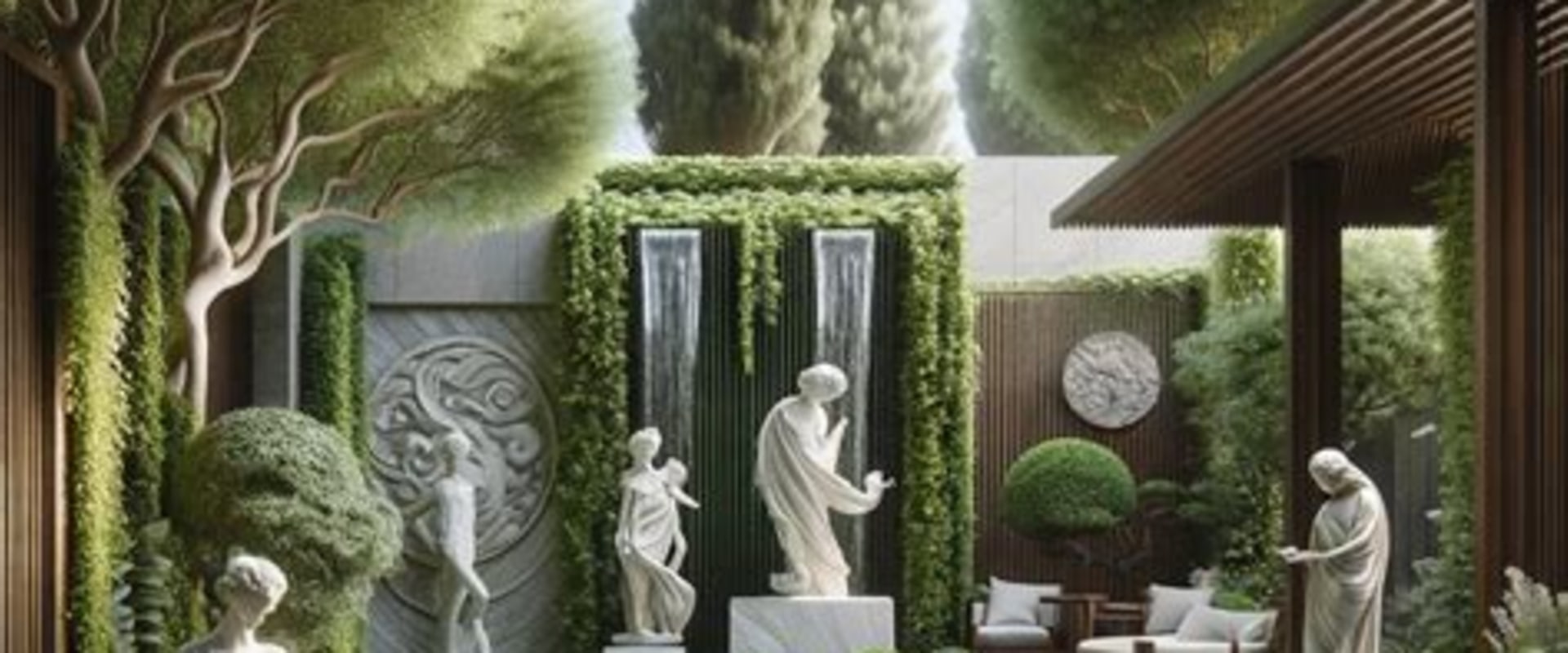
Incorporating art into garden design is not merely an aesthetic choice; it is a transformative approach that elevates the entire outdoor experience. Art and sculpture serve as focal points that draw the eye and evoke emotions, creating a dialogue between nature and human creativity. When thoughtfully integrated, these artistic elements can enhance the beauty of a garden, making it a sanctuary for reflection and inspiration. The benefits of incorporating art in gardens extend beyond visual appeal. Art can introduce a sense of harmony and balance, guiding visitors through the space while encouraging them to engage with their surroundings on a deeper level.
Sculptures can act as conversation starters, inviting guests to explore themes of culture, history, or personal expression. Furthermore, the presence of art can foster a unique atmosphere that resonates with the individual tastes and preferences of the gardener, making the space feel more personal and inviting. Moreover, art in garden design can also serve practical purposes. For instance, strategically placed sculptures can create visual barriers or define spaces within larger landscapes. This not only enhances functionality but also adds layers of interest to the overall design.
As we delve deeper into the various ways to incorporate art and sculpture into your garden, it becomes clear that these elements are essential for creating a cohesive and engaging outdoor environment.
Choosing the Right Art for Your Garden
When it comes to garden design and planning, selecting the right art can significantly enhance the overall aesthetic and atmosphere of your outdoor space. Here are some key factors to consider when choosing art for your garden:- Style: The style of the art should complement the existing elements of your garden. Whether your garden is modern, traditional, or eclectic, choose pieces that resonate with the overall theme. For instance, sleek metal sculptures may suit a contemporary garden, while rustic wooden carvings might be more appropriate for a cottage-style landscape.
- Scale: Consider the size of both the art piece and the surrounding space.
A large sculpture can serve as a focal point, drawing attention and creating a sense of grandeur. Conversely, smaller pieces can be used to create intimate vignettes throughout the garden. Always ensure that the scale of the art is proportionate to its surroundings.
- Materials: The materials used in garden art can affect its durability and visual impact. Opt for weather-resistant materials such as stone, metal, or treated wood to ensure longevity.
Additionally, consider how the colors and textures of these materials will interact with your plants and landscape features.
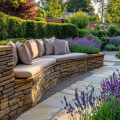
- Functionality: Some garden art can serve a dual purpose. For example, decorative trellises can support climbing plants while adding visual interest. Similarly, benches or seating areas can be both functional and artistic, providing a place to relax while enhancing the garden's design.
A sculpture that looks stunning in summer may take on a different character in winter; thus, consider how each piece will contribute to the year-round appeal of your outdoor space.Ultimately, choosing art for your garden should be a reflection of your personal taste and style. Take your time to explore different options and envision how each piece will fit into your overall garden design and planning. By thoughtfully selecting art that resonates with you, you can create a harmonious and inviting outdoor environment.
Types of Art and Sculpture for Gardens
Incorporating art and sculpture into your garden design can transform an ordinary outdoor space into a captivating sanctuary. Here are some types of garden sculptures and art ideas that can enhance your garden's aesthetic appeal:- Contemporary Sculptures: These pieces often feature abstract forms and innovative materials, such as metal or glass.
They can serve as striking focal points, drawing the eye and sparking conversation.
- Classical Statues: Timeless figures, such as Greek or Roman statues, can add a sense of history and elegance to your garden. Consider placing them near pathways or in secluded corners to create a sense of discovery.
- Functional Art: Items like artistic benches, birdbaths, or trellises not only serve a purpose but also contribute to the overall design. Look for pieces that blend functionality with artistic flair.
- Natural Elements: Incorporating sculptures made from natural materials, such as stone or wood, can create a harmonious connection between art and nature. These pieces often age beautifully and integrate seamlessly into the landscape.
- Whimsical Art: Playful sculptures, such as oversized flowers or quirky animals, can add a touch of fun to your garden.
These elements are particularly appealing in family-friendly spaces.
Integrating Art with Landscape Elements
Incorporating art into your garden design can transform a simple outdoor space into a captivating sanctuary. To achieve a harmonious blend of art and landscaping, it’s essential to consider how sculptures and other artistic elements interact with existing landscape features.1.Choose the Right Scale
- When selecting sculptures, consider their size in relation to the surrounding plants and pathways.
A large sculpture can serve as a focal point, while smaller pieces can create subtle accents.
- Ensure that the scale of the art complements the overall dimensions of your garden. Oversized pieces may overwhelm smaller spaces, while tiny sculptures can get lost in expansive areas.
2.Create Visual Pathways
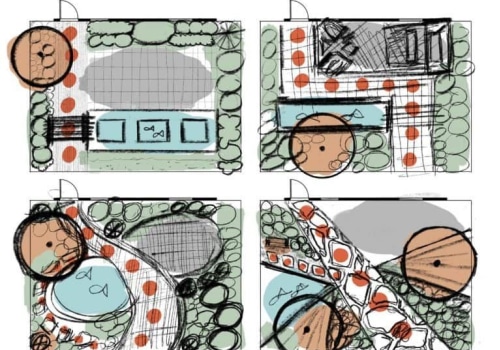
- Integrate art along pathways to guide visitors through your garden. This can be achieved by placing sculptures at intervals or using decorative elements like mosaic tiles to enhance the walkway.
- Consider using artistic benches or seating areas that invite relaxation and contemplation, allowing visitors to appreciate both the art and the surrounding nature.
3.Balance and Cohesion
- Strive for balance by distributing art pieces evenly throughout the garden. This prevents any one area from feeling too cluttered or sparse.
- Choose materials and colors for your sculptures that echo the natural elements in your garden, such as stone, wood, or metal finishes that harmonize with plant life.
4.Seasonal Considerations
- Think about how different seasons will affect both your plants and your art.
Some sculptures may look stunning against a backdrop of blooming flowers in spring but may require a different context in winter.
- Incorporate seasonal plants around your sculptures to create dynamic visual interest throughout the year.
Creating Focal Points with Sculpture
Incorporating sculpture into your garden design can transform an ordinary space into a captivating landscape. Sculptures serve as focal points, drawing the eye and creating a sense of harmony within the garden. Here are some practical tips for using sculpture effectively in your garden design:- Choose the Right Scale: The size of the sculpture should complement the surrounding plants and features. A large sculpture can dominate a small garden, while a tiny piece may get lost in a vast landscape.
- Consider the Material: The material of the sculpture should harmonize with the natural elements of your garden.
Stone, metal, and wood each bring different textures and aesthetics that can enhance or clash with your garden's theme.
- Placement is Key: Position your sculpture where it can be easily seen from various angles. Consider placing it at the end of a pathway or in a clearing to create a visual anchor that invites exploration.
- Create Layers: Use plants to frame your sculpture, creating layers that add depth to your garden design. Taller plants can provide a backdrop, while lower plants can soften the edges and draw attention to the artwork.
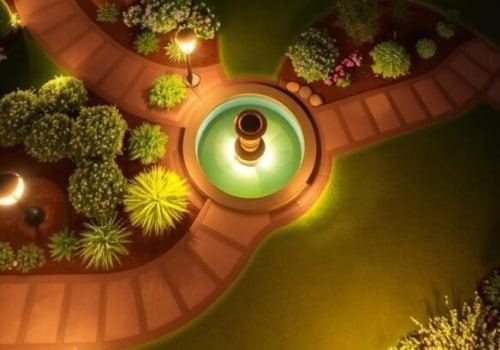
- Lighting Matters: Illuminate your sculpture with strategically placed lights to enhance its features during the evening. This not only highlights the artwork but also adds ambiance to your garden space.
Remember, the goal is to create a cohesive look that reflects your personal style while celebrating the beauty of nature.
Seasonal Considerations for Outdoor Art
Incorporating art and sculpture into your garden design requires careful consideration of how seasonal changes can impact these elements. Each season brings unique challenges and opportunities for maintaining the beauty and integrity of your outdoor art.Spring: Renewal and Preparation
As the weather warms, it's essential to inspect your sculptures for any winter damage.Cleaning
is a crucial first step; use a gentle soap solution and a soft brush to remove dirt and debris. Pay special attention to any crevices where moisture can accumulate, leading to mold or corrosion.Summer: Protection from the Elements
During the hot summer months, UV rays can fade colors and materials can expand or contract.To protect your sculptures:
- Apply a protective sealant designed for outdoor use to prevent fading and weathering.
- Consider shade by placing larger sculptures under trees or using strategically placed plants to shield them from direct sunlight.
Autumn: Preparing for Winter
As temperatures drop, it's time to prepare your garden art for winter. This includes:- Removing any loose debris, such as fallen leaves, which can trap moisture against the surface.
- Bringing delicate pieces indoors or covering them with protective tarps to shield them from snow and ice.
Winter: Maintenance and Care
Winter can be harsh on outdoor sculptures. Regularly check for ice buildup, which can cause cracking or breakage. If possible, relocate smaller pieces to a sheltered area during extreme weather conditions.For larger installations, ensure that they are securely anchored to withstand strong winds.By understanding the seasonal effects on your garden art and implementing these maintenance tips, you can ensure that your sculptures remain vibrant and integral parts of your garden design throughout the year.
DIY Garden Art Projects
Creating your own garden art can be a rewarding way to personalize your outdoor space. Here are some DIY garden art ideas that can enhance your garden design and planning:- Recycled Materials Sculptures: Use old metal scraps, bottles, or wood to create unique sculptures. For instance, an old bicycle can be transformed into a whimsical planter by attaching baskets filled with flowers.
- Painted Rocks: Gather smooth stones and unleash your creativity by painting them with vibrant colors or intricate designs. These can serve as decorative accents along pathways or in flower beds.
- Garden Wind Chimes: Craft wind chimes using materials like seashells, old keys, or even spoons.
Hang them in trees or on porches to add a melodic touch to your garden.
- Stepping Stones: Create personalized stepping stones using concrete and molds. You can embed colorful tiles, glass pieces, or even handprints for a personal touch.
- Nature-Inspired Wall Art: Use branches, leaves, and flowers to create wall hangings. Pressed flowers framed in wood can bring a touch of nature indoors while still being part of your garden theme.
Additionally, think about the materials you use; natural materials often blend seamlessly with the landscape.
Creative garden projects
not only beautify your space but also provide an opportunity for self-expression. Involve family and friends in these projects to make it a fun and collaborative experience. Whether you’re crafting alone or with loved ones, each piece will tell a story and reflect your personality.Ultimately, the goal is to create art that resonates with you and complements your garden's aesthetic. So gather your supplies, let your imagination run wild, and start transforming your garden into a vibrant canvas of creativity!Incorporating Cultural Elements into Garden Art
Incorporating cultural elements into garden design can transform a simple outdoor space into a vibrant tapestry of artistic expression.Different cultures offer unique perspectives on how art and sculpture can enhance the beauty and functionality of gardens.
Asian Influences
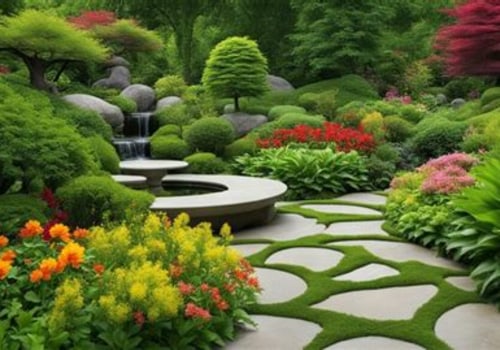
Asian gardens, particularly those influenced by Japanese aesthetics, often feature elements such as stone lanterns, water basins, and carefully placed sculptures that embody harmony and tranquility. The use of bonsai trees and koi ponds not only adds visual interest but also reflects the cultural significance of nature in Asian philosophies.Mediterranean Styles
Mediterranean gardens are known for their vibrant colors and rustic charm. Incorporating terracotta sculptures, fountains, and mosaic tiles can evoke the essence of this region. For instance, a beautifully crafted statue of a Greek god or a Roman bust can serve as a focal point, drawing the eye and inviting contemplation.African Inspirations
African garden art often includes bold, abstract sculptures made from natural materials like wood or stone.These pieces can tell stories or represent cultural heritage, making them perfect for adding depth to your garden design. Consider incorporating a tribal mask or a carved animal figure to celebrate the rich artistic traditions of the continent.
Latin American Elements
The vibrant colors and patterns found in Latin American art can be reflected in garden design through the use of colorful tiles, painted pots, and lively sculptures. A Mexican talavera pot filled with bright flowers or a Cuban-style mural can infuse your garden with energy and warmth.By thoughtfully selecting cultural sculptures and art styles, you can create a garden that not only showcases beauty but also tells a story, celebrating the diverse influences that shape our world.FAQs About Art in Garden Design
Integrating art and sculpture into your garden design and planning can elevate the aesthetic appeal and create a unique atmosphere. Here are some frequently asked questions that can help clarify how to effectively incorporate these elements into your garden.- What types of art can I include in my garden?
You can choose from a variety of art forms, including sculptures, murals, mosaics, and even functional art like benches or trellises.Each type can serve a different purpose and enhance the overall theme of your garden.
- How do I choose the right sculpture for my garden?
Consider the scale, material, and style of the sculpture. A large stone statue may work well in a spacious area, while smaller metal pieces might be better suited for intimate spaces. Ensure that the style complements your existing plants and landscape. - Where should I place garden art?
Placement is crucial. Position sculptures at focal points where they can be easily seen, such as at the end of a pathway or near seating areas.Additionally, consider how the light interacts with the art throughout the day to enhance its visual impact.
- Can I create a theme with my garden art?
Absolutely! A cohesive theme can tie your garden together. For instance, you might choose a nature-inspired theme with animal sculptures or an abstract theme with modern art pieces. This approach helps create a harmonious environment. - How do I maintain outdoor sculptures?
Maintenance depends on the material of the sculpture. For example, metal pieces may require rust protection, while stone sculptures might need occasional cleaning to remove dirt and moss.Regular inspections will help preserve their beauty over time.
Conclusion: Elevating Your Garden with Art and Sculpture
Incorporating art and sculpture into your garden design and planning can transform an ordinary outdoor space into a captivating sanctuary. Throughout this article, we have explored various ways to seamlessly blend artistic elements with natural beauty, enhancing both the aesthetic appeal and emotional resonance of your garden. One of the key takeaways is the importance of scale and proportion. When selecting sculptures or art pieces, consider their size in relation to your garden's dimensions.A large sculpture can serve as a stunning focal point, while smaller pieces can create a sense of intimacy in cozy corners. Additionally, the choice of materials plays a crucial role in harmonizing art with nature. Opt for weather-resistant materials such as stone, metal, or ceramic that not only withstand the elements but also complement the surrounding flora. This ensures that your artistic additions remain vibrant and engaging throughout the seasons. Another vital aspect is the placement of art within your garden. Positioning sculptures along pathways or near seating areas invites interaction and contemplation.
Consider how light interacts with your chosen pieces; sculptures can cast intriguing shadows or reflect sunlight, adding dynamic visual interest. Finally, don’t shy away from personal expression. Your garden should reflect your unique style and personality. Whether you prefer contemporary installations or classic sculptures, let your creativity shine through. By thoughtfully integrating art into your garden design, you create a space that not only pleases the eye but also nourishes the soul. In conclusion, elevating your garden with art and sculpture is not just about decoration; it’s about creating an immersive experience that resonates with you and those who visit.
Embrace the opportunity to explore various artistic avenues and watch as your garden transforms into a true masterpiece.