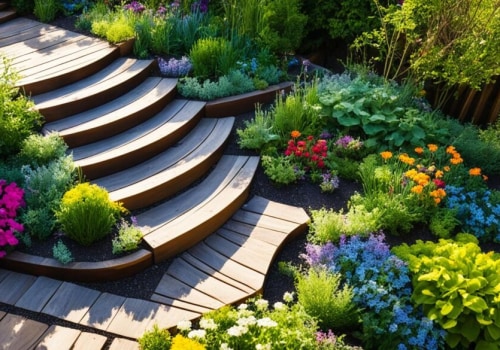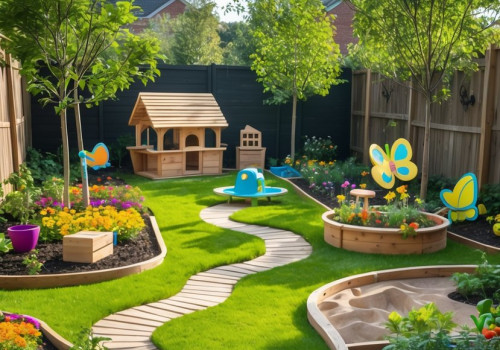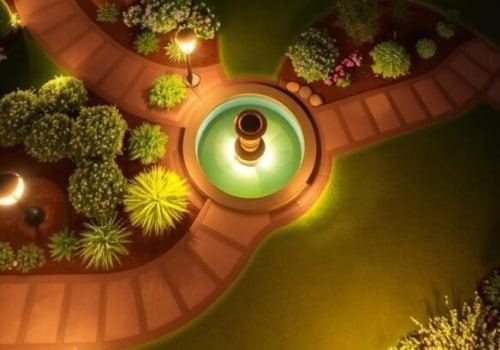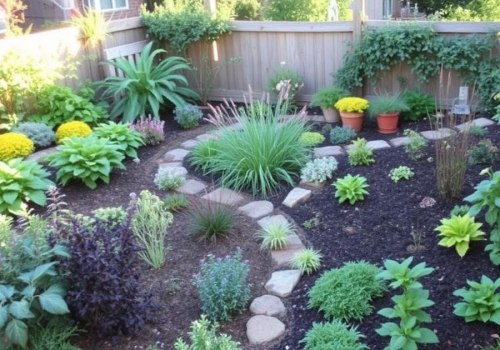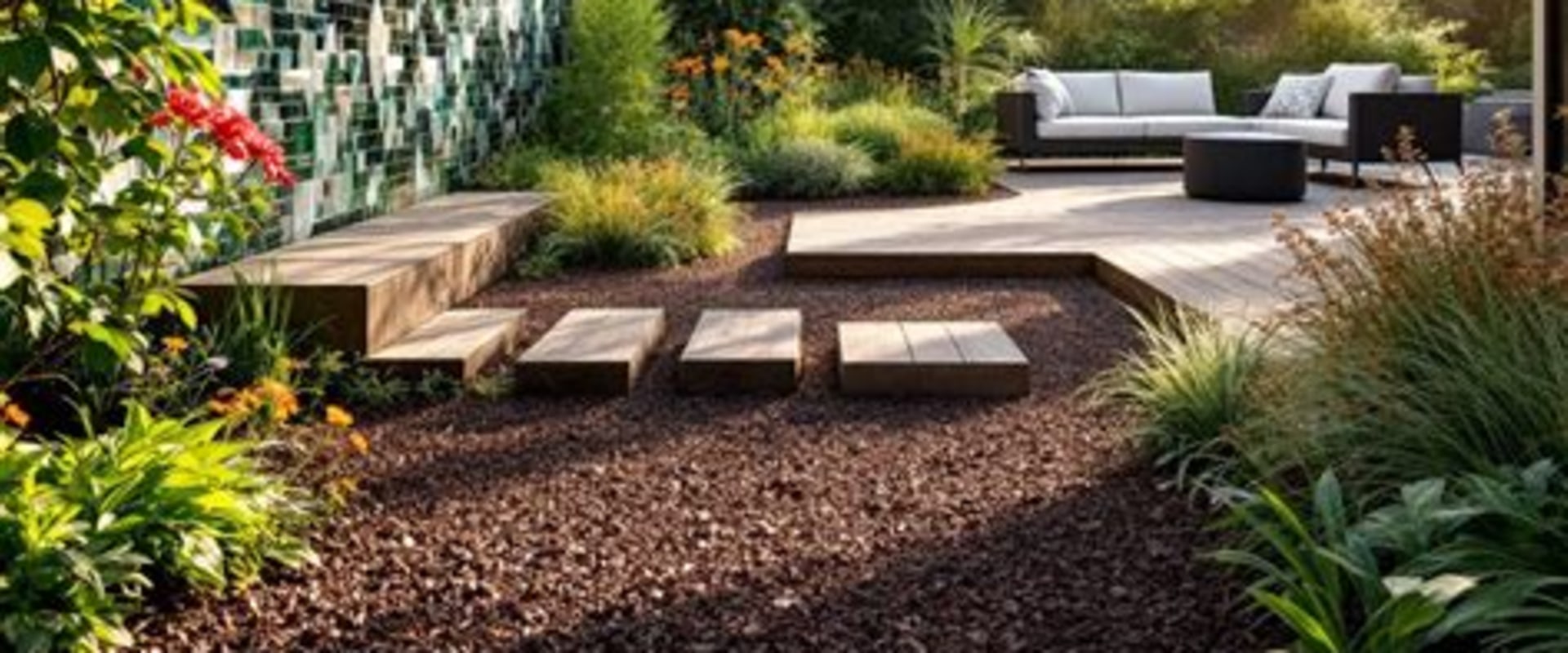
In the realm of garden design and planning, the integration of sustainable materials is not just a trend; it is a vital step towards fostering an eco-friendly environment. As gardeners and landscape designers become increasingly aware of their ecological footprint, the choice of materials plays a crucial role in promoting sustainability. By selecting materials that are renewable, recycled, or locally sourced, you can significantly reduce waste and energy consumption while enhancing the overall health of your garden. Sustainable materials not only contribute to environmental well-being but also elevate the aesthetic appeal and functionality of your outdoor spaces. For instance, using reclaimed wood for raised garden beds or pathways not only adds character but also minimizes the demand for new timber.
Similarly, incorporating permeable paving stones allows rainwater to filter through, reducing runoff and promoting groundwater recharge. These choices reflect a commitment to eco-friendly gardening practices that harmonize with nature. Moreover, embracing sustainable materials can lead to cost savings in the long run. While some eco-friendly options may have a higher initial investment, their durability and low maintenance requirements often result in reduced expenses over time. As you embark on your journey of garden design, consider how each material choice can contribute to a healthier planet while creating a beautiful and functional space that you can enjoy for years to come.
Benefits of Using Sustainable Materials in Garden Design
Incorporating sustainable materials into your garden design offers a multitude of benefits that extend beyond aesthetics.These advantages not only enhance the beauty of your outdoor space but also contribute positively to the environment.
Environmental Impact
- Reduced Carbon Footprint: Using materials like reclaimed wood, recycled metal, and natural stone minimizes the need for new resources, thereby reducing greenhouse gas emissions associated with production and transportation.
- Waste Reduction: By repurposing materials, you divert waste from landfills, promoting a circular economy that values sustainability.
Cost-Effectiveness
- Long-Term Savings: While some sustainable materials may have a higher upfront cost, their durability often leads to lower maintenance and replacement costs over time.
- Resource Efficiency: Utilizing local materials can significantly cut down on transportation costs and support local economies.
Improved Biodiversity
- Habitat Creation: Sustainable gardens often incorporate native plants and organic practices that foster habitats for local wildlife, enhancing biodiversity.
- Soil Health: Using organic compost and natural mulches improves soil structure and fertility, promoting a healthier ecosystem in your garden.
Types of Sustainable Materials for Garden Design
Incorporating sustainable materials into your garden design and planning not only enhances the aesthetic appeal of your outdoor space but also contributes positively to the environment. Here are some types of sustainable materials you can consider:- Reclaimed Wood: This material is sourced from old buildings, barns, or other structures.
Using reclaimed wood for raised garden beds, fences, or pathways adds character and reduces the demand for new timber.
- Bamboo: Known for its rapid growth and strength, bamboo is an excellent eco-friendly alternative to traditional wood. It can be used for trellises, fencing, or even as a decorative element in your garden.
- Recycled Metals: Items such as old metal containers, pipes, or sheets can be repurposed into unique garden features. They are durable and can withstand various weather conditions while adding a modern touch to your design.
- Natural Stone: Sourcing stone locally minimizes transportation emissions. Natural stone can be used for patios, walkways, or retaining walls, providing a timeless look that blends seamlessly with the landscape.
- Compost and Mulch: Utilizing organic materials like leaves, grass clippings, and kitchen scraps not only enriches the soil but also reduces waste.
Composting is a sustainable practice that supports healthy plant growth.
How to Choose Sustainable Materials for Your Garden
When it comes to garden design and planning, selecting the right sustainable materials is crucial for creating an eco-friendly space that thrives. Here are some essential tips to guide you in choosing sustainable materials for your garden:- Assess Durability: Look for materials that are not only sustainable but also durable.
For instance, reclaimed wood can be a great choice for raised beds or garden furniture, as it reduces waste and offers longevity.
- Consider Local Availability: Sourcing materials locally minimizes transportation emissions and supports local economies. Check with nearby suppliers for options like native stone, which can be used for pathways or walls.
- Evaluate Environmental Impact: Research the environmental footprint of the materials you are considering. For example, bamboo is a rapidly renewable resource that can be used for fencing or trellises, making it a sustainable alternative to traditional wood.
- Opt for Recycled Materials: Incorporating recycled materials into your garden design not only reduces waste but also adds unique character. Items like old bricks or concrete can be repurposed as edging or decorative features.
- Choose Non-Toxic Options: Ensure that any materials used in your garden are free from harmful chemicals.
This is especially important for items like paints or sealants that may leach into the soil.
Incorporating Sustainable Practices in Garden Planning
Incorporating sustainable practices into your garden design and planning is essential for creating an eco-friendly space that thrives while minimizing environmental impact. Here are several strategies to consider:- Site Selection: Choose a location that maximizes natural sunlight and minimizes the need for artificial lighting. Assess the soil quality and drainage to ensure it supports healthy plant growth.
- Native Plants: Opt for native plants that are well-adapted to your local climate and soil conditions.
These plants require less water and maintenance, making them a sustainable choice.
- Diverse Planting: Incorporate a variety of species to promote biodiversity. This not only enhances the aesthetic appeal of your garden but also supports local wildlife, including pollinators.
- Water Management: Implement efficient irrigation systems such as drip irrigation or rainwater harvesting. These methods conserve water and ensure that plants receive adequate moisture without waste.
- Soil Health: Focus on building healthy soil through composting and mulching. Organic matter enriches the soil, improves its structure, and enhances its ability to retain moisture.
- Sustainable Materials: Use recycled or sustainably sourced materials for garden structures, pathways, and furniture.
For example, reclaimed wood or bamboo can add beauty while reducing your carbon footprint.
Case Studies: Successful Sustainable Garden Designs
Incorporating sustainable materials into garden design can lead to stunning and eco-friendly landscapes. Here are some real-life examples of successful sustainable garden designs that showcase innovative use of materials and practices.- The Edible Garden Project, Seattle : This community initiative transformed a vacant lot into a vibrant edible garden. By using reclaimed wood for raised beds and incorporating native plants, the project not only provides fresh produce but also enhances local biodiversity.
The use of rain barrels for irrigation exemplifies how sustainable practices can be integrated into urban settings.
- Green Roofs at the Chicago City Hall : This project features a green roof that utilizes lightweight, recycled materials to support a diverse array of plants. The green roof reduces heat absorption, improves air quality, and manages stormwater runoff effectively. It serves as a model for urban sustainability, demonstrating how gardens can thrive in limited spaces.
- The High Line, New York City : Once an abandoned railway, the High Line has been transformed into a linear park that incorporates sustainable materials like permeable paving and recycled steel. The design emphasizes native plant species that require less water and maintenance, showcasing how urban spaces can be revitalized with eco-friendly principles.
By utilizing recycled materials, native plants, and innovative water management systems, these gardens serve as inspiring examples for anyone looking to incorporate sustainability into their own garden design and planning.
Common Challenges and Solutions in Using Sustainable Materials
Incorporating sustainable materials into your garden design and planning can present several challenges, but understanding these obstacles is the first step toward finding effective solutions.- Availability of Materials: One common challenge is the limited availability of sustainable materials in certain regions. Local suppliers may not stock eco-friendly options, making it difficult to source what you need.
- Cost Considerations: Sustainable materials can sometimes be more expensive than conventional options. This can deter gardeners on a budget from making eco-friendly choices.
- Durability Concerns: Some may worry that sustainable materials lack the durability of traditional materials, leading to concerns about longevity and maintenance.
- Aesthetic Limitations: There is a perception that sustainable materials may not offer the same aesthetic appeal as conventional ones, which can limit design creativity.
- Research Local Sources: Investigate local nurseries and suppliers who specialize in sustainable products. Building relationships with these vendors can help ensure a steady supply of eco-friendly materials.
- Budgeting for Sustainability: Consider the long-term savings associated with using durable, sustainable materials.
While the initial investment may be higher, reduced maintenance and replacement costs can make them more economical over time.
- Test Durability: Look for certifications or reviews that speak to the durability of sustainable materials. Many eco-friendly options are designed to withstand the elements just as well as traditional materials.
- Creative Design Solutions: Embrace the unique characteristics of sustainable materials. For example, reclaimed wood can add rustic charm, while recycled metal can introduce a modern touch. Experimenting with different combinations can yield stunning results.
FAQs About Sustainable Materials in Garden Design
When it comes to sustainable materials in garden design and planning, many gardeners have questions.Here are some of the most frequently asked questions:
What are sustainable materials?
Sustainable materials are those that are sourced and used in a way that minimizes environmental impact. This includes materials that are renewable, recyclable, or biodegradable. Examples include bamboo, reclaimed wood, and recycled metal.How can I identify eco-friendly materials for my garden?
- Look for certifications: Materials with certifications like FSC (Forest Stewardship Council) or Cradle to Cradle indicate responsible sourcing.
- Research local options: Local suppliers often provide materials that are more sustainable due to reduced transportation emissions.
- Consider the lifecycle: Evaluate how long the material will last and its end-of-life options.
Are there specific plants that are considered sustainable?
Yes, native plants are often the best choice for sustainable gardening. They require less water and maintenance, support local wildlife, and are adapted to the local climate.Additionally, consider using organic seeds and plants grown without harmful pesticides.
Can I use recycled materials in my garden design?
Absolutely! Recycled materials can add unique character to your garden. Items like old bricks, glass bottles, and even tires can be repurposed into planters or pathways. Just ensure they are safe for use in gardening.What are some common misconceptions about sustainable gardening?
- Sustainable gardening is expensive: While some sustainable materials may have a higher upfront cost, they often save money in the long run through reduced maintenance and resource use.
- It requires more work: Many sustainable practices, like xeriscaping with drought-resistant plants, can actually reduce the amount of work needed over time.
Conclusion: Embracing Sustainability in Your Garden Design Journey
Incorporating sustainable materials into your garden design and planning is not just a trend; it’s a commitment to the environment and future generations. Throughout this article, we’ve explored various strategies to create a garden that is both beautiful and eco-friendly. To summarize, here are the key points to consider:- Choose native plants: These plants are adapted to your local climate and soil, requiring less water and maintenance.
- Utilize recycled materials: From reclaimed wood for raised beds to repurposed bricks for pathways, using recycled materials reduces waste and adds character to your garden.
- Implement rainwater harvesting: Collecting rainwater not only conserves water but also provides a natural irrigation source for your plants.
- Opt for organic fertilizers: Using organic options minimizes chemical runoff and promotes healthier soil.
- Incorporate permeable surfaces: These surfaces allow water to seep through, reducing runoff and promoting groundwater recharge.
By making conscious choices about the materials you use, you can create a space that not only enhances your home but also contributes positively to the ecosystem. Embrace sustainability in your garden design efforts, and inspire others to do the same. Together, we can cultivate a greener future.