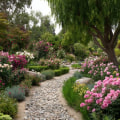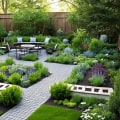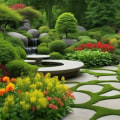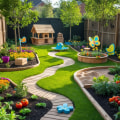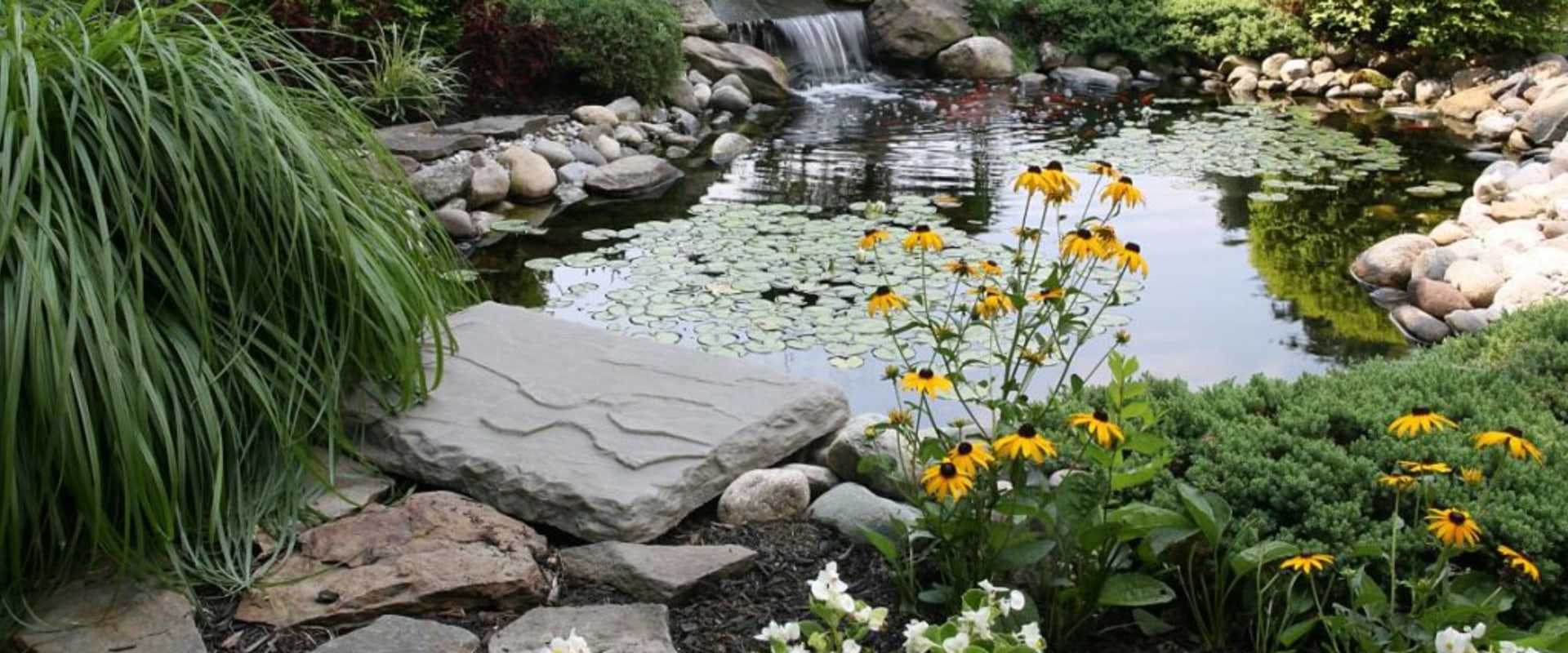
Incorporating water features into your garden design can transform an ordinary outdoor space into a serene oasis. These elements not only enhance the visual appeal of your garden but also serve various functional purposes. From tranquil ponds to dynamic fountains, water features can create a focal point that draws the eye and invites exploration. The gentle sound of flowing water can provide a soothing backdrop, making your garden a perfect retreat from the hustle and bustle of daily life. Beyond aesthetics, the benefits of water features extend to ecological aspects as well.
They can attract beneficial wildlife, such as birds and butterflies, which contribute to a vibrant ecosystem. Additionally, water features can help regulate temperature in your garden, providing a cooling effect during hot summer months. When thoughtfully integrated into your garden design and planning, these elements can enhance biodiversity and promote a healthier environment. Moreover, the versatility of water features allows for endless creativity in design. Whether you prefer a modern minimalist look or a more traditional style, there are countless options to suit your taste and space.
By understanding the role of water features in garden design, you can make informed decisions that elevate your outdoor space while reaping the numerous benefits they offer.
Types of Water Features to Consider
Incorporating water features into your garden design can create a serene atmosphere and enhance the overall aesthetic. Here are some popular types of water features to consider:- Garden Ponds: A garden pond can serve as a stunning focal point. It can be designed to accommodate fish, aquatic plants, and even provide a habitat for local wildlife. When planning a pond, consider its size, depth, and location.
Ensure it receives adequate sunlight while also providing shaded areas for fish and plants. Additionally, think about incorporating a filtration system to maintain water quality.
- Fountains: Fountains add a dynamic element to your garden design. They come in various styles, from traditional tiered designs to modern minimalist structures. The sound of flowing water can create a calming ambiance.
When selecting a fountain, consider the scale of your garden; larger fountains may overwhelm smaller spaces, while petite designs can enhance intimate areas.
- Waterfalls: A waterfall can bring a dramatic touch to your garden. Whether it cascades into a pond or flows over rocks, the sight and sound of falling water can be incredibly soothing. When designing a waterfall, think about the materials you want to use—natural stone blends well with most landscapes, while concrete can offer a more contemporary look. Ensure that the waterfall is integrated into the surrounding landscape for a natural appearance.
By thoughtfully incorporating these elements, you can create a tranquil retreat that enhances your outdoor space.
Designing Your Water Feature: Key Considerations
When it comes to garden design and planning, incorporating a water feature requires careful consideration of several key elements to ensure it enhances the overall aesthetic and functionality of your garden.Size and Scale
The size and scale of your water feature should be proportionate to the surrounding landscape. A large pond may overwhelm a small garden, while a tiny fountain might get lost in a sprawling outdoor space. To achieve harmony, consider the following:- Measure Your Space: Take accurate measurements of your garden area to determine what size water feature will fit best.
- Visual Balance: Ensure that the water feature complements other elements in your garden, such as plants, pathways, and seating areas.
Location
The placement of your water feature is crucial for both aesthetic appeal and functionality. Here are some tips for choosing the right location:- Visibility: Position the water feature where it can be easily seen and enjoyed from various vantage points in your garden.
- Sunlight Exposure: Consider how much sunlight the area receives.
Some features, like ponds, benefit from partial shade to reduce algae growth.
- Accessibility: Ensure that the water feature is easily accessible for maintenance and cleaning.
Style
The style of your water feature should align with the overall theme of your garden. Whether you prefer a modern minimalist look or a rustic natural feel, here are some styles to consider:- Ponds: Ideal for creating a natural habitat for wildlife and aquatic plants.
- Fountains: Great for adding a focal point and soothing sounds of flowing water.
- Streams: Perfect for creating movement and guiding the eye through the landscape.
Integrating Water Features with Other Garden Elements
Integrating water features into your garden design requires careful consideration of how these elements interact with other components of your landscape. A well-planned approach can create a harmonious environment that enhances the beauty and functionality of your garden.1.Consider the Scale and Proportion
- When selecting a water feature, ensure it is proportionate to the size of your garden. A large pond may overwhelm a small space, while a tiny fountain might get lost in a sprawling landscape.
- Use scale to your advantage by placing larger features in open areas and smaller ones in more intimate settings.
- Position water features where they can be seen from various vantage points, such as pathways or seating areas.
This encourages exploration and interaction with the space.
- Incorporate plants around the water feature that complement its style and color, creating a seamless transition between the water and the surrounding landscape.
- Design pathways that lead to your water feature, using materials like stone or gravel that harmonize with the natural elements of your garden.
- Include seating areas nearby to encourage relaxation and enjoyment of the tranquil sounds of flowing water. Benches or chairs can be strategically placed to offer views of the feature.
- Incorporate lighting around your water features to highlight them at night. Subtle lighting can create a magical atmosphere, making your garden inviting after sunset.
- Consider using solar lights or LED fixtures that are energy-efficient and easy to install.
Maintenance Tips for Water Features
Maintaining your water features is crucial for ensuring they remain a stunning focal point in your garden design and planning.Regular upkeep not only enhances the aesthetic appeal but also promotes a healthy ecosystem for any aquatic life you may have.
Regular Cleaning
To keep your water feature looking its best, establish a routine cleaning schedule. Here are some essential tips:- Remove Debris: Regularly check for leaves, twigs, and other debris that can accumulate in and around your water feature. Use a skimmer net or a small rake to remove these items.
- Clean the Pump: If your feature includes a pump, clean it every few months to prevent clogs. Turn off the power, disassemble the pump, and rinse it with water to remove any buildup.
- Check Water Levels: Ensure that the water level is adequate, especially during hot weather.
Top off with fresh water as needed to maintain balance.
Algae Control
Algae can quickly turn a beautiful water feature into an unsightly mess. To combat this:- Use Natural Algaecides: Consider using natural solutions like barley straw or beneficial bacteria that help control algae growth without harming aquatic life.
- Increase Sunlight Exposure: Trim back overhanging plants that block sunlight, as algae thrive in shaded areas. A well-lit pond encourages healthy plant growth that competes with algae.
Seasonal Maintenance
Your water feature will require different care depending on the season:- Spring: Clean out any winter debris and check for any damage caused by freezing temperatures.
- Summer: Monitor water levels and algae growth closely; consider adding aquatic plants for natural filtration.
- Fall: Remove fallen leaves and prepare your feature for winter by draining it if necessary.
Common Mistakes to Avoid When Adding Water Features
Incorporating water features into your garden design can elevate the aesthetic and create a serene atmosphere. However, there are several common mistakes that can lead to disappointment and costly corrections.Here are some pitfalls to avoid:
- Neglecting Scale and Proportion: One of the most frequent errors is choosing a water feature that is either too large or too small for the space. A massive fountain in a tiny garden can overwhelm the area, while a small pond in a vast landscape may go unnoticed. Always consider the scale of your water feature in relation to your overall garden design.
- Ignoring Maintenance Needs: Water features require upkeep, including cleaning and potential repairs. Failing to account for this can lead to frustration down the line.
Before installation, research the maintenance requirements of your chosen feature and ensure you have the time and resources to keep it in good condition.
- Overlooking Location: The placement of your water feature is crucial. Avoid positioning it in areas where debris from trees or plants will constantly fall into it, as this can lead to increased maintenance. Additionally, consider how sunlight will affect the water; too much sun can promote algae growth.
- Forgetting About Wildlife: While many people enjoy attracting wildlife to their gardens, not considering how animals will interact with your water feature can be a mistake. Ensure that any ponds or fountains are safe for local wildlife and that they won’t become a hazard for pets or children.
- Neglecting Sound Considerations: The sound of running water can be soothing, but if your feature is too loud, it may become a nuisance rather than a tranquil addition.
Test the sound level before finalizing your design to ensure it complements rather than disrupts your garden's ambiance.
FAQs About Water Features in Garden Design
Incorporating water features into your garden design and planning can elevate the aesthetic and create a serene atmosphere. Here are some frequently asked questions that can help you navigate this process:- What types of water features are suitable for small gardens?
For smaller spaces, consider options like fountains, birdbaths, or small ponds. These features can add charm without overwhelming the area. - How do I maintain a water feature?
Regular maintenance is crucial.This includes cleaning the pump, checking for algae growth, and ensuring the water level is adequate. Additionally, consider using a water treatment solution to keep the water clear.
- Can I install a water feature myself?
Many homeowners opt for DIY installations, especially for simpler features like container water gardens. However, for larger installations or complex systems, hiring a professional may be advisable. - What are the best plants to use around water features?
Select plants that thrive in moist conditions, such as water lilies, irises, and ferns. These plants not only enhance the beauty of your feature but also help maintain the ecosystem. - How do I troubleshoot common issues with water features?
If you notice murky water or unpleasant odors, check for debris and clean the filter.If your fountain is not working, inspect the pump for blockages or damage. Regular checks can prevent larger issues.
Conclusion: Transforming Your Garden with Water Features
Incorporating water features into your garden design and planning can significantly enhance the aesthetic appeal and tranquility of your outdoor space. As we have explored throughout this article, the thoughtful integration of elements such as ponds, fountains, and waterfalls not only adds visual interest but also creates a soothing atmosphere that invites relaxation and reflection.To summarize, here are the key points to consider when planning your water feature:- Purpose: Determine the primary function of your water feature. Is it for aesthetic appeal, wildlife attraction, or perhaps a focal point for meditation?
- Scale: Ensure that the size of the water feature complements your garden's overall dimensions.
A large pond may overwhelm a small garden, while a tiny fountain might get lost in a sprawling landscape.
- Style: Choose a design that harmonizes with your existing garden theme. Whether you prefer a modern minimalist look or a rustic natural feel, consistency is key.
- Maintenance: Consider the upkeep required for your chosen water feature. Some options may demand more attention than others, so select one that fits your lifestyle.
- Ecological Impact: Think about how your water feature can support local wildlife. Features like ponds can provide habitats for frogs and birds, enriching your garden's biodiversity.
By carefully considering these aspects, you can create a serene oasis that not only beautifies your space but also enhances your overall gardening experience. Embrace the calming presence of water in your garden, and watch as it transforms into a vibrant sanctuary for both you and nature.