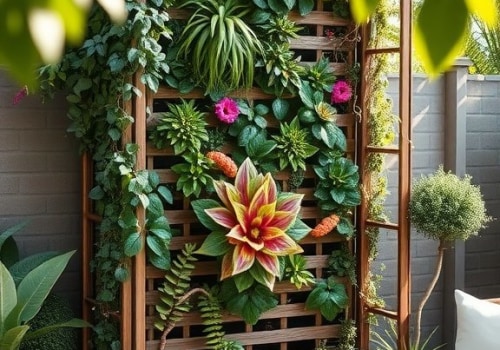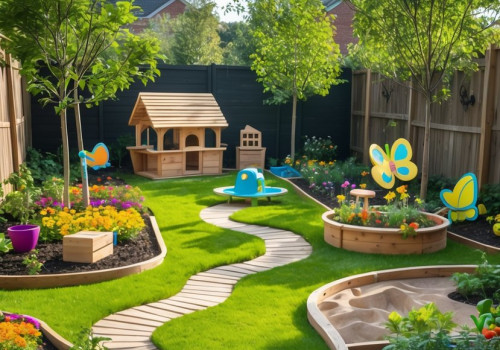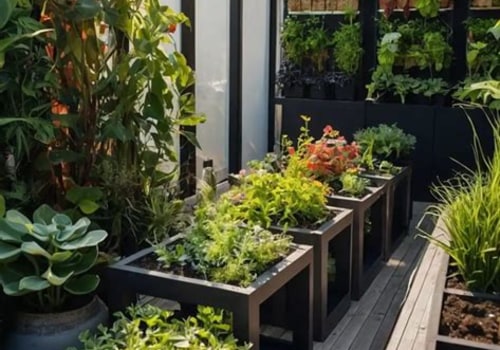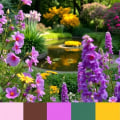
When embarking on the journey of garden design and planning, one of the most critical steps is to thoroughly understand your garden's environment. This involves assessing various factors such as soil type, climate conditions, and sunlight exposure. Each of these elements plays a pivotal role in determining which plants will flourish in your garden, ensuring that your efforts yield a vibrant and healthy landscape. The soil type in your garden can significantly influence plant growth. Different plants have varying soil preferences, ranging from sandy to clay-rich soils.
Conducting a simple soil test can provide insights into pH levels and nutrient content, allowing you to amend the soil appropriately. For instance, if your soil is too acidic or alkaline, you may need to add organic matter or specific fertilizers to create an optimal growing environment. Equally important is understanding the climate of your region. Factors such as temperature ranges, humidity levels, and seasonal changes can dictate which plants are suitable for your garden. Researching local climate zones can help you select plants that are not only resilient but also capable of thriving throughout the year.
Additionally, consider how microclimates within your garden—areas that may be warmer or cooler than the surrounding environment—can affect plant selection. Finally, assessing sunlight exposure is essential for successful garden planning. Different plants require varying amounts of sunlight, from full sun to partial shade. Observing how sunlight moves across your garden throughout the day will help you identify the best spots for sun-loving plants versus those that prefer shadier conditions. By taking these environmental factors into account, you can create a harmonious garden that showcases a diverse array of plants, each suited to its specific location.
Defining Your Garden's Purpose
When embarking on garden design and planning, the first step is to clearly define your garden's purpose.Understanding why you want a garden will guide your decisions on plant selection, layout, and overall design.
Aesthetic Goals
If your primary goal is to create a visually appealing space, consider the aesthetic goals of your garden. Think about the colors, textures, and forms that resonate with you. Choose plants that bloom at different times of the year to ensure year-round interest. Incorporating a mix of perennials, annuals, and shrubs can create a dynamic landscape that evolves with the seasons.
Functional Gardens
For those interested in a more functional approach, such as vegetable gardens or herb gardens, it’s essential to consider the specific needs of the plants you wish to grow.
Assess your available space, sunlight exposure, and soil quality. For instance, if you’re planning a vegetable garden, select varieties that thrive in your climate and are suited for your growing conditions. Additionally, consider companion planting to maximize space and enhance growth.
Recreational Spaces
If recreation is your focus, think about how the garden will be used. Will it be a space for entertaining guests or a quiet retreat? Choose plants that create inviting pathways or cozy seating areas.
Incorporating fragrant flowers or edible plants can enhance the sensory experience of your garden.Ultimately, defining your garden's purpose not only helps in selecting the right plants but also ensures that your garden reflects your personal style and meets your practical needs. By aligning plant choices with your goals—whether for beauty, food production, or leisure—you can create a harmonious outdoor space that brings joy and satisfaction.
Choosing the Right Plant Types
When it comes to garden design and planning, selecting the right types of plants is crucial for creating a thriving and visually appealing space. Understanding the differences between annuals and perennials is a fundamental step in this process.Annuals vs Perennials Annuals are plants that complete their life cycle within a single growing season. They are perfect for adding vibrant color and variety to your garden, as they can be easily replaced each year.However, they require more frequent planting and maintenance. On the other hand, perennials return year after year, providing a stable foundation for your garden. While they may not offer the same immediate burst of color as annuals, their longevity makes them a wise investment.Native Plants Incorporating native plants into your garden design is another important consideration. These plants are adapted to the local climate and soil conditions, making them easier to care for and more resilient against pests and diseases.
Additionally, native plants support local wildlife, including pollinators like bees and butterflies, which are essential for a healthy ecosystem.Drought-Resistant Plants With changing climate conditions, selecting drought-resistant plants can significantly reduce water usage in your garden. These plants have adapted to survive with minimal water, making them ideal for sustainable gardening practices. Look for varieties such as succulents, lavender, or ornamental grasses that thrive in dry conditions while still providing aesthetic appeal.Ornamental Plants Finally, when choosing ornamental plants, consider how they fit into your overall garden design. Think about color schemes, textures, and heights to create visual interest.
Incorporating a mix of foliage types can enhance the beauty of your garden while ensuring that it remains vibrant throughout different seasons. By carefully considering these factors—annuals vs perennials, native and drought-resistant options, and ornamental selections—you can create a well-planned garden that not only looks beautiful but also thrives in its environment.
Plant Compatibility and Design Principles
When embarking on garden design and planning, understanding plant compatibility is crucial for creating a thriving ecosystem. Not all plants can coexist harmoniously; some may compete for nutrients, while others may attract pests that can harm neighboring species. Therefore, it’s essential to consider the specific needs and characteristics of each plant.Companion planting
is a strategy that can enhance plant growth and deter pests. For instance, planting marigolds alongside vegetables can repel harmful insects, while legumes can enrich the soil with nitrogen, benefiting nearby plants.This method not only maximizes space but also promotes a healthier garden environment.Another important aspect of garden layout is the arrangement of plants based on their growth habits and light requirements. Taller plants should be positioned at the back of borders or in the center of circular beds to prevent shading shorter plants. This thoughtful arrangement ensures that all plants receive adequate sunlight, which is vital for their growth.
Color Theory in Gardening
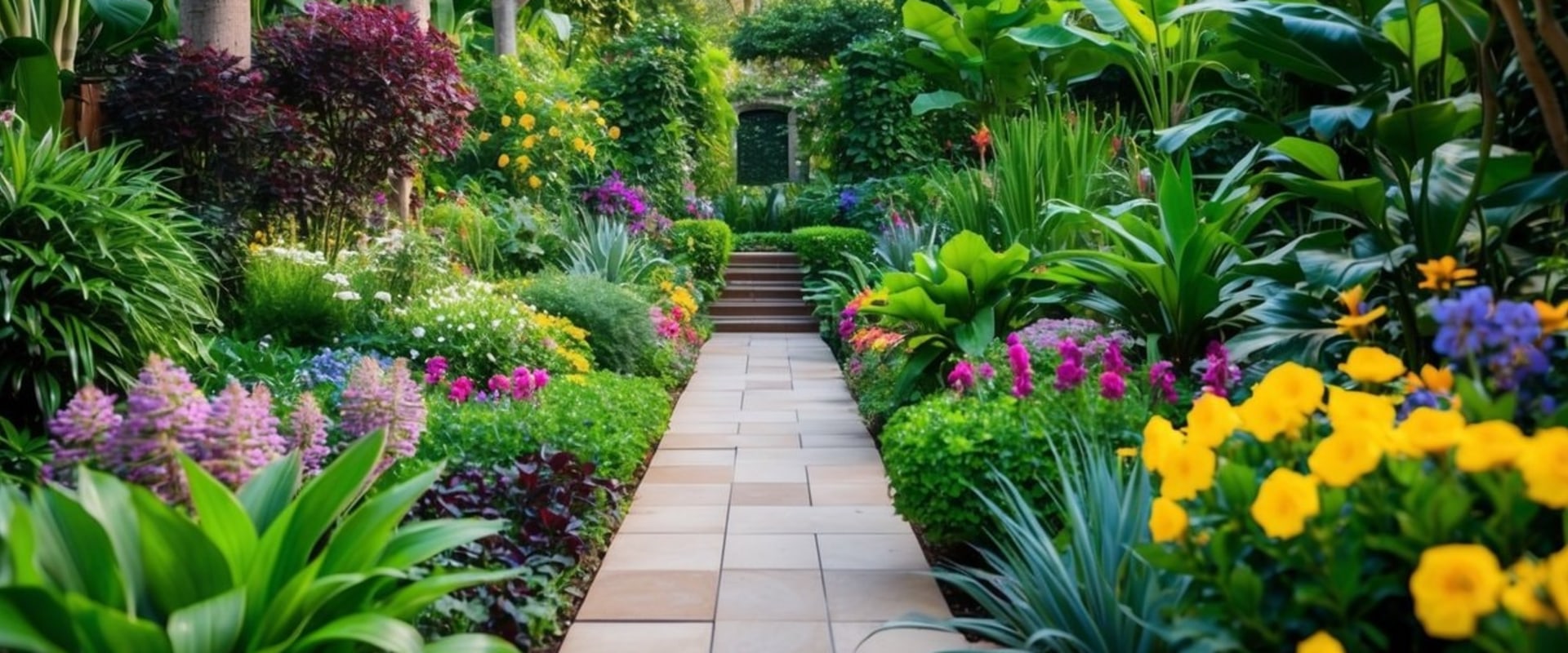
The aesthetic appeal of a garden can be significantly enhanced by applying color theory. Understanding how colors interact can help you create a visually pleasing space.For example, warm colors like reds and yellows can create a sense of energy and vibrancy, while cool colors such as blues and purples evoke calmness. By strategically placing plants with complementary colors together, you can create focal points that draw the eye and provide balance throughout your garden.In summary, considering plant compatibility, utilizing companion planting, applying color theory, and planning an effective garden layout are all essential factors in successful garden design. By integrating these principles, you can cultivate a garden that is not only beautiful but also sustainable and productive.
Maintenance Considerations for Your Plant Choices
When it comes to garden design and planning, one of the most crucial aspects to consider is the maintenance of your plant choices. Selecting plants that align with your maintenance capabilities can significantly impact the long-term health and beauty of your garden.Low-Maintenance Plants
If you have a busy lifestyle or are new to gardening, opting for low-maintenance plants can be a wise decision.These plants typically require less frequent watering, minimal pruning, and are more resistant to pests and diseases. Some popular low-maintenance options include:
- Sedums: These succulent plants thrive in poor soil and require little water.
- Lavender: Not only does it add fragrance, but it also attracts pollinators and is drought-resistant.
- Daylilies: Known for their resilience, they bloom beautifully with minimal care.
Seasonal Care Requirements
Understanding the seasonal care needs of your chosen plants is essential for maintaining a vibrant garden. Some plants may require specific attention during certain times of the year. For instance:- Spring: Many perennials benefit from division and fertilization as they emerge from dormancy.
- Summer: Regular watering and deadheading can promote continuous blooming.
- Fall: Preparing your garden for winter may involve mulching and cutting back perennials.
Pest Management
Pest management is another critical factor in plant maintenance.Choosing plants that are naturally resistant to common pests can reduce the need for chemical interventions. Additionally, implementing integrated pest management (IPM) strategies, such as introducing beneficial insects or using organic repellents, can help maintain a healthy garden ecosystem.In conclusion, considering maintenance factors when selecting plants for your garden is vital for ensuring its success. By choosing low-maintenance varieties, understanding seasonal care requirements, and implementing effective pest management strategies, you can create a thriving garden that requires less effort over time.
Sustainability in Garden Design
When it comes to sustainable gardening practices, the selection of plants plays a crucial role in promoting an eco-friendly garden. Choosing the right plants not only enhances the aesthetic appeal of your garden but also contributes to environmental health.Eco-friendly plants
are those that require less water, are resistant to pests, and can thrive in your local climate without excessive care.Native plants are often the best choice, as they are adapted to the local environment and support local wildlife, including pollinators like bees and butterflies. By incorporating these plants into your garden design, you can create a vibrant ecosystem that fosters biodiversity.
Water Conservation in Gardening
Water conservation is another essential aspect of sustainable gardening. Selecting drought-resistant plants can significantly reduce your garden's water needs. Consider incorporating succulents, ornamental grasses, and other xeriscape plants that thrive in dry conditions.These plants not only save water but also require less maintenance, allowing you to enjoy your garden without the constant worry of watering.
- Mulching: Applying mulch around your plants helps retain moisture in the soil, reducing the need for frequent watering.
- Rainwater harvesting: Collecting rainwater in barrels can provide a sustainable water source for your garden.
- Drip irrigation: This efficient watering method delivers water directly to the plant roots, minimizing waste.
Frequently Asked Questions About Plant Selection for Gardens
When it comes to plant selection for your garden, several common questions arise that can help guide your choices.What are the best plants for beginners?
If you're new to gardening, consider starting with hardy plants that require minimal maintenance. Some excellent options include:- Marigolds: These vibrant flowers are not only easy to grow but also help deter pests.
- Succulents: Perfect for those who may forget to water regularly, succulents thrive in dry conditions.
- Herbs: Basil, mint, and rosemary are simple to cultivate and can enhance your culinary dishes.
What factors should I consider for seasonal planting?
Understanding the seasons is crucial for successful garden design and planning. Here are some tips:- Climate Zone: Research your local climate zone to determine which plants will thrive in your area.
- Frost Dates: Be aware of the last frost date in spring and the first frost date in fall to time your planting correctly.
- Seasonal Colors: Choose plants that bloom at different times throughout the year to maintain visual interest in your garden.
Remember, successful gardening is a journey of learning and experimentation!.