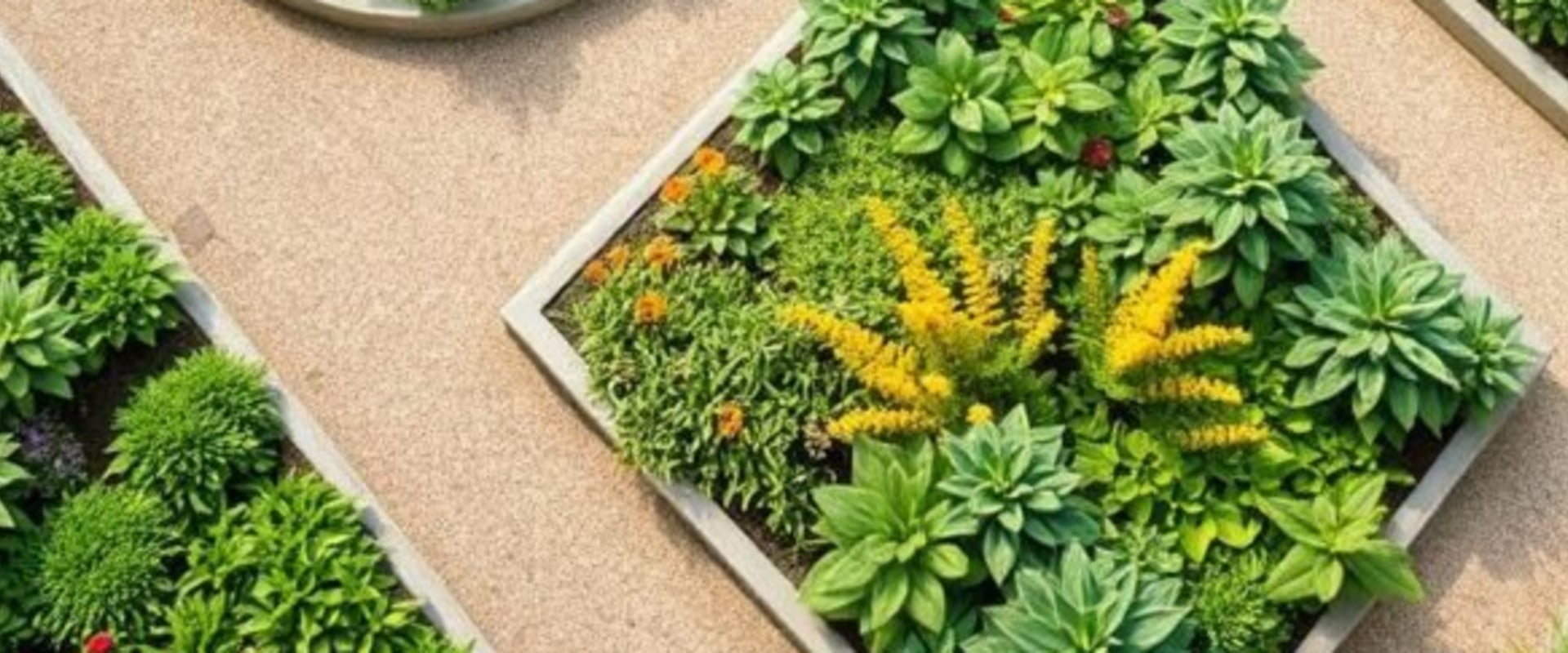
When embarking on the journey of garden design and planning, it’s essential to understand that a garden is more than just a collection of plants. It is a carefully curated space that reflects personal style while serving practical purposes. The art of garden layout involves considering various elements such as color, texture, and form, but perhaps one of the most impactful aspects is the use of different levels and layers. These components can transform a flat expanse into a dynamic landscape that invites exploration and interaction. Incorporating levels in your garden design not only enhances visual interest but also allows for better functionality.
For instance, raised beds can improve drainage and soil quality, while terraces can create distinct areas for different activities, such as dining or relaxation. Layers, on the other hand, involve the strategic placement of plants and features to create depth and dimension. By varying plant heights and using hardscaping elements like paths and walls, you can guide the eye through the space, making it feel larger and more inviting. Understanding the principles of landscape architecture is crucial in this process. It’s about harmonizing natural elements with human-made structures to create a cohesive environment.
Whether you are working with a small urban garden or a sprawling estate, mastering the art of levels and layers will elevate your design, making it not only aesthetically pleasing but also functional for everyday use. As we delve deeper into this topic, we will explore practical strategies for implementing these concepts in your own garden.
The Importance of Levels in Garden Design
Incorporating levels into your garden design can significantly enhance both its aesthetic appeal and functionality. By utilizing elevation changes, you can create a dynamic landscape that draws the eye and invites exploration. Different levels can serve various purposes, from defining spaces to improving drainage and accessibility.Elevation in landscaping
is not just about creating visual interest; it also plays a crucial role in how plants interact with their environment.For instance, raised beds can provide better soil drainage and warmer soil temperatures, which are beneficial for plant growth. Additionally, they can be easier to maintain, reducing the strain on your back while gardening.
- Visual Appeal: Varying heights can create a more engaging garden layout. By incorporating slopes, terraces, or steps, you can guide visitors through your space, making it feel larger and more inviting.
- Functional Spaces: Different tiers can be designated for specific activities, such as a seating area on a higher level or a vegetable patch on a lower tier. This zoning helps organize the garden and makes it more user-friendly.
- Microclimates: Elevation changes can create unique microclimates within your garden.
For example, south-facing slopes may receive more sunlight, making them ideal for sun-loving plants, while shaded areas can support more delicate species.
Incorporating Layers into Your Garden Design
When it comes to garden design and planning, incorporating layers is essential for creating a visually appealing and dynamic space.By utilizing different plant heights, textures, and colors, you can achieve a sense of depth that draws the eye and enhances the overall aesthetic of your garden.
Plant layering
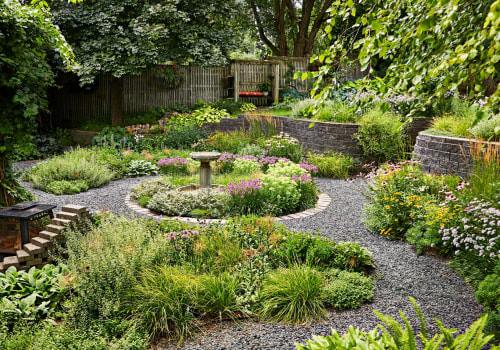
is a technique that involves arranging plants in a way that creates a tiered effect. This can be accomplished by placing taller plants at the back of a border or in the center of an island bed, while shorter plants are positioned in front. This arrangement not only ensures that all plants receive adequate sunlight but also allows for each plant's unique characteristics to shine through.- Tall Plants: Use tall plants such as sunflowers or hollyhocks to create a dramatic backdrop. These plants can serve as focal points and provide structure to your garden.
- Medium Plants: Incorporate medium-height plants like coneflowers or daylilies in the middle layer.
These plants add color and texture without overshadowing the taller varieties.
- Low-Growing Plants: Finally, fill in the front with low-growing ground covers or ornamental grasses. These plants help to soften edges and create a lush, full appearance.
Use a combination of complementary and contrasting colors to enhance visual depth. For instance, planting vibrant red flowers against lush green foliage can make both elements pop, creating a lively atmosphere in your garden.By thoughtfully incorporating layers into your garden design, you not only enhance its beauty but also create a more inviting space for wildlife and people alike. Remember, the key is to experiment with different combinations until you find the perfect balance that reflects your personal style.
Techniques for Creating Levels in Your Garden
Creating levels in your garden can significantly enhance its visual appeal and functionality. Here are some effective techniques to consider:- Terracing: This method involves creating flat areas on sloped land, which can help prevent soil erosion and improve drainage.
To terrace your garden, start by marking out the desired levels with stakes and string. Then, excavate the soil to create steps or platforms, reinforcing the edges with stones or timber to maintain structure.
- Raised Beds: Raised beds are an excellent way to introduce levels into your garden while improving soil quality and drainage. Constructing raised beds can be done using materials like wood, stone, or bricks. Fill them with a rich soil mix to provide a nutrient-dense environment for your plants.
Additionally, raised beds can be designed at varying heights to create a dynamic landscape.
- Sunken Gardens: A sunken garden is another innovative way to add depth to your landscape. By digging down a section of your garden, you create a unique microclimate that can support different plant species. Surround the sunken area with seating or pathways to enhance accessibility and enjoyment.
- Steps and Pathways: Incorporating steps and pathways not only helps navigate different levels but also adds structure to your garden design. Use materials like gravel, pavers, or natural stone to create visually appealing paths that guide visitors through various sections of your garden.
Think about how each level interacts with the others and how they contribute to the overall aesthetic and functionality of your space. By thoughtfully implementing these techniques, you can create a multi-dimensional garden that is both beautiful and practical.
Using Hardscaping to Enhance Levels and Layers
Incorporating hardscaping into your garden design is a powerful way to create visual interest and enhance the natural levels and layers of your outdoor space. Hardscaping elements such as pathways, walls, and patios not only serve functional purposes but also contribute to the overall aesthetic of your garden.Pathways
are essential in guiding visitors through your garden while defining different areas. By using materials like stone, brick, or gravel, you can create pathways that complement the natural contours of your landscape.Consider varying the width and material of the paths to create a sense of depth and intrigue. For instance, a winding path can lead to a secluded seating area, encouraging exploration and engagement with the garden.
Retaining walls
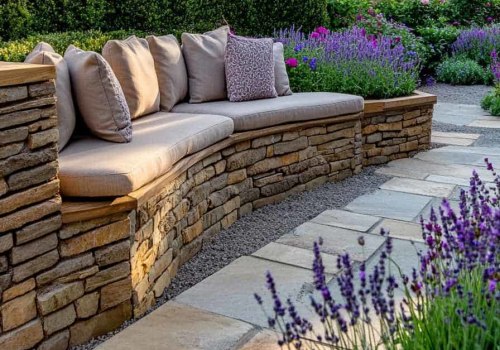
are another effective hardscaping feature that can help manage elevation changes in your garden. These walls not only prevent soil erosion but also create tiered planting areas that can be filled with a variety of plants. By using materials such as natural stone or timber, you can achieve a rustic look that blends seamlessly with the surrounding environment.Patios
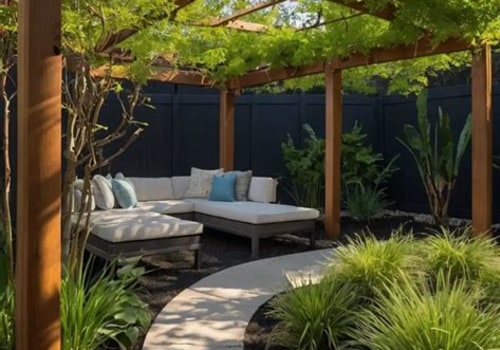
provide a flat surface for outdoor living spaces and can be designed at different levels to enhance the visual appeal of your garden.A raised patio can offer a vantage point for enjoying views of your landscape, while a sunken patio can create an intimate gathering space. Incorporating built-in seating or fire pits into these areas can further enhance their functionality.When planning your hardscaping elements, consider how they interact with the existing landscape. Use color, texture, and scale to ensure that your hardscaping complements rather than overwhelms the natural beauty of your garden. By thoughtfully integrating these features, you can create a harmonious balance between hard and soft elements, resulting in a well-designed outdoor space that invites relaxation and enjoyment.
Common Mistakes to Avoid When Designing with Levels and Layers
When it comes to garden design and planning, incorporating levels and layers can create stunning visual interest, but there are several common mistakes that can undermine your efforts.Here are some pitfalls to avoid:
- Ignoring Scale: One of the most frequent errors is not considering the scale of plants and features. A towering tree next to small shrubs can create an unbalanced look. Always choose plants that complement each other in size.
- Overcrowding: Layering plants too closely can lead to competition for resources, resulting in poor growth. Ensure adequate spacing between plants to allow for air circulation and sunlight penetration.
- Neglecting Maintenance: Some designs may look beautiful initially but require excessive upkeep.
Choose layers that fit your maintenance capabilities. For instance, a multi-tiered garden may need more attention than a simpler layout.
- Forgetting Drainage: When designing with levels, it's crucial to consider how water will flow through your garden. Poor drainage can lead to waterlogged plants and root rot. Incorporate sloping or terracing to manage water effectively.
- Lack of Focal Points: Without clear focal points, layered designs can appear chaotic.
Use larger plants or decorative features as anchors within your design to guide the eye and create harmony.
FAQs About Levels and Layers in Garden Design
When it comes to garden design and planning, understanding the use of levels and layers can significantly enhance the aesthetic and functional aspects of your outdoor space. Here are some frequently asked questions that can help clarify these concepts:- What are levels in garden design?
Levels refer to the different heights within a garden, which can be achieved through various techniques such as raised beds, terraces, or slopes. Incorporating levels can create visual interest and help manage water drainage effectively. - How do I create layers in my garden?
Layers in garden design involve arranging plants and features at different heights and depths.This can be accomplished by using a mix of tall, medium, and low plants, as well as incorporating hardscape elements like walls or steps to define spaces.
- Why is layering important in garden design?
Layering adds depth and dimension to your garden, making it more visually appealing. It also allows for better light penetration and air circulation among plants, promoting healthier growth. - Can I use levels in a small garden?
Absolutely! Even small gardens can benefit from levels. Consider using raised planters or tiered planting beds to maximize space while creating an engaging layout. - What materials are best for creating levels?
Common materials include stone, wood, and concrete. Choose materials that complement your overall design theme while ensuring durability and stability.
This knowledge will empower you to create a more dynamic and inviting outdoor environment.
Conclusion: Mastering Levels and Layers for a Stunning Garden Design
In conclusion, effectively utilizing levels and layers in your garden design can transform an ordinary space into a breathtaking landscape. By incorporating various heights and depths, you create visual interest and enhance the overall aesthetic appeal of your garden. Throughout this article, we explored several key strategies:- Vertical Elements: Incorporating trellises, arbors, and vertical gardens not only maximizes space but also adds dimension to your design.
- Layering Plants: Using plants of varying heights and textures creates a lush, multi-dimensional look. Consider placing taller plants at the back and shorter ones in the front to ensure visibility.
- Hardscape Features: Integrating paths, steps, and retaining walls can define different areas within your garden, guiding visitors through the space while adding structure.
- Color and Texture: Mixing colors and textures across different layers can evoke emotions and set the mood of your garden. Choose plants that bloom at different times to maintain interest throughout the seasons.
Remember, a well-planned garden is a harmonious blend of nature's beauty and thoughtful design.