As climate change continues to impact weather patterns across the globe, the need for drought-resistant gardening has never been more critical. This approach not only conserves water but also promotes sustainable practices that can help mitigate the effects of prolonged dry spells. By understanding the principles of low-water garden design, gardeners can create beautiful, thriving landscapes that require minimal irrigation, ultimately leading to a more resilient ecosystem. At its core, drought-resistant gardening emphasizes the selection of plants that are naturally adapted to arid conditions. These plants often have deep root systems, waxy leaves, or other adaptations that allow them to survive with little water.
Incorporating these species into your garden design not only enhances its aesthetic appeal but also reduces maintenance efforts and water usage. Furthermore, thoughtful garden planning can optimize the use of available resources, ensuring that your garden flourishes even in challenging climates. In this article, we will explore essential tips for creating a low-water garden design that aligns with modern environmental needs. From selecting the right plants to implementing efficient irrigation techniques, these strategies will empower you to cultivate a garden that is both beautiful and sustainable. Join us as we delve into the world of drought-resistant gardening and discover how you can make a positive impact on your local environment while enjoying a vibrant outdoor space.
Assessing Your Garden Space
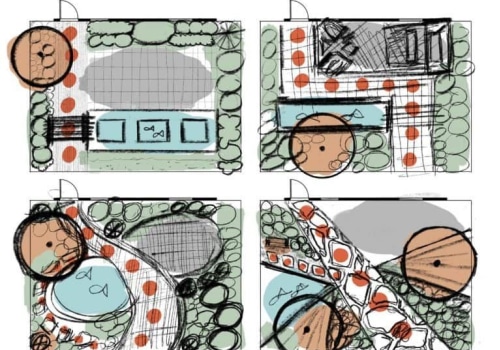
Creating a successful low-water or drought-resistant garden begins with a thorough assessment of your garden space.This initial evaluation is crucial for effective garden design and planning, as it helps you understand the unique characteristics of your site.
Evaluate Sunlight Exposure
Start by observing how sunlight interacts with your garden area throughout the day. Different plants have varying light requirements, so it’s essential to identify:- Full sun: Areas that receive at least 6-8 hours of direct sunlight daily.
- Partial shade: Spots that get 3-6 hours of sunlight, often in the morning or late afternoon.
- Full shade: Areas that receive less than 3 hours of direct sunlight.
Analyze Soil Type
The next step is to assess your soil type, which plays a significant role in water retention and drainage. Conduct a simple soil test to determine:- Soil texture: Is it sandy, clayey, or loamy? Sandy soils drain quickly but may require more frequent watering, while clay soils retain moisture but can lead to root rot if not managed properly.
- Soil pH: Most plants thrive in slightly acidic to neutral pH (6.0-7.0). Testing kits are available at garden centers.
Consider Existing Vegetation
Take note of any existing plants and trees in your garden space.Understanding their growth patterns and water needs can help you plan effectively. Consider:
- Drought-tolerant species: If you have established plants that thrive in dry conditions, use them as a foundation for your design.
- Invasive species: Identify any plants that may compete for resources and consider removing them to reduce competition for water.
Choosing the Right Plants
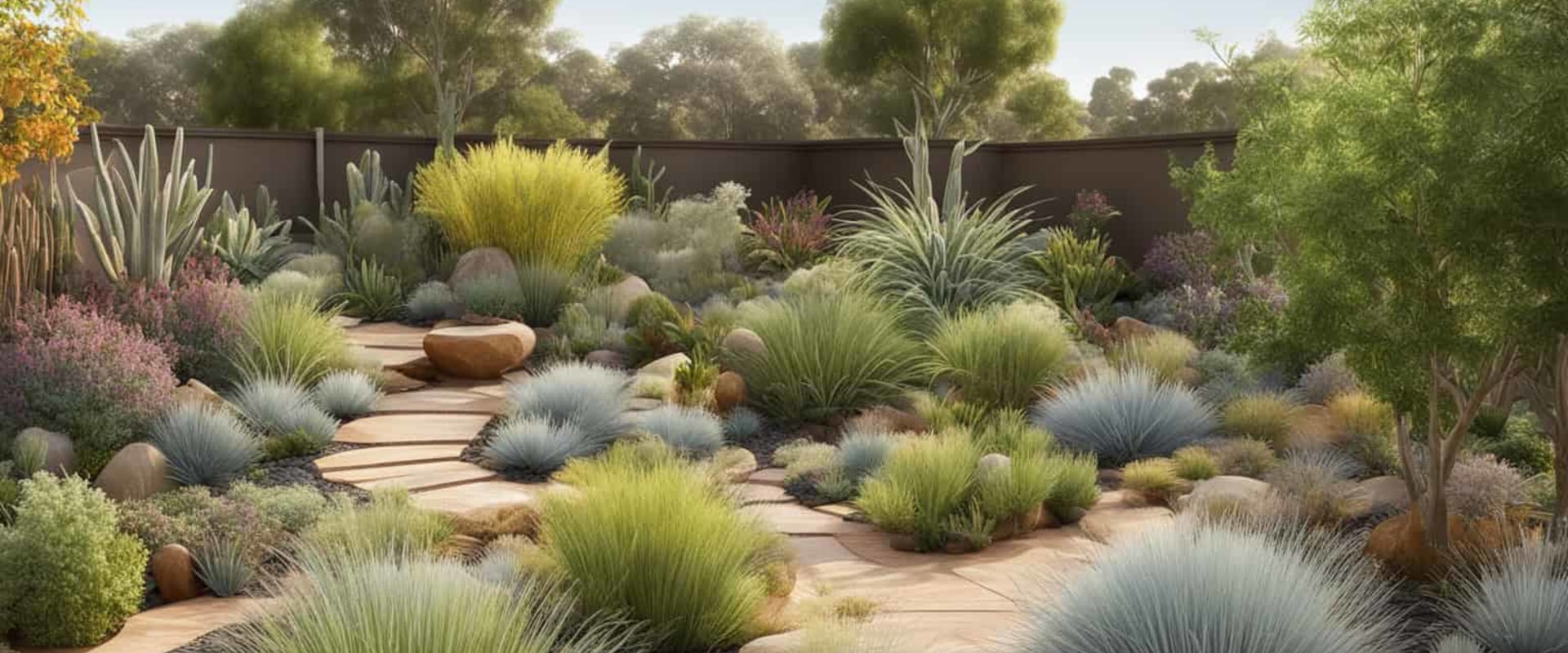
When it comes to garden design and planning for low-water or drought-resistant gardens, selecting the right plants is crucial. The ideal plants for these gardens are those that can thrive in arid conditions while requiring minimal irrigation.Here are some tips to help you choose the best plants:
- Opt for Native Species: Native plants are adapted to your local climate and soil conditions, making them more resilient to drought. They typically require less water and maintenance compared to non-native species.
- Consider Succulents: Succulents are excellent choices for low-water gardens due to their ability to store moisture in their leaves. Varieties such as Aloe vera, Agave, and Echeveria not only add visual interest but also thrive in dry conditions.
- Look for Drought-Tolerant Varieties: Many popular garden plants have drought-resistant varieties. For example, lavender, rosemary, and sedum are known for their ability to withstand dry spells.
- Group Plants by Water Needs: When planning your garden layout, group plants with similar water requirements together.
This practice not only conserves water but also simplifies maintenance.
- Incorporate Ground Covers: Ground cover plants like thyme, creeping phlox, and sedum can help retain soil moisture and reduce evaporation, making them ideal for a drought-resistant garden.
Soil Preparation and Improvement
Creating a drought-resistant garden begins with proper soil preparation. The quality of your soil plays a crucial role in its ability to retain moisture and support plant health. Here are some effective strategies to improve your soil for a sustainable garden design.1.Test Your Soil
Before making any amendments, it’s essential to understand your soil's current condition.Conduct a soil test to determine pH levels and nutrient content. This information will guide you in selecting the right amendments to enhance soil quality.
2.Incorporate Organic Matter
Adding organic matter, such as compost or well-rotted manure, can significantly improve soil structure and moisture retention. Organic matter helps create a rich environment for beneficial microorganisms, which in turn enhances nutrient availability for plants.3.Use Mulch Effectively
Mulching is one of the best techniques for conserving soil moisture. A layer of organic mulch, such as wood chips or straw, not only reduces evaporation but also suppresses weeds that compete for water.Aim for a thickness of 2-4 inches around your plants, ensuring it doesn’t touch the stems directly.
4.Improve Drainage
If your garden has heavy clay soil, consider adding sand or perlite to improve drainage. Well-drained soil prevents waterlogging and allows roots to access moisture more effectively. Conversely, if you have sandy soil, adding organic matter can help retain moisture.5.Choose Drought-Resistant Amendments
When planning your garden design, consider using drought-resistant soil amendments. Products like hydrogels can absorb water and release it slowly to plants during dry spells.Additionally, incorporating materials like coconut coir can enhance moisture retention.
6.Practice No-Till Gardening
No-till gardening minimizes soil disturbance, which helps maintain its structure and moisture levels. By avoiding tilling, you preserve the natural habitat of beneficial organisms and reduce erosion.By focusing on these soil preparation techniques, you can create a thriving garden that not only withstands drought conditions but also promotes sustainable practices in your landscape design.Watering Techniques for Drought Resistance
Creating a drought-resistant garden requires not only careful plant selection but also effective watering techniques that maximize water efficiency. Here are some methods to consider:- Drip Irrigation: This system delivers water directly to the roots of plants through a network of tubing and emitters. By minimizing evaporation and runoff, drip irrigation ensures that plants receive the moisture they need without wasting water.
- Soaker Hoses: Similar to drip irrigation, soaker hoses allow water to seep out slowly along their length.
They can be laid out on the soil surface or buried under mulch, providing consistent moisture to the surrounding plants.
- Rainwater Harvesting: Collecting rainwater from rooftops and directing it into barrels or cisterns can significantly reduce reliance on municipal water sources. This harvested water can be used for irrigation during dry spells, making it an eco-friendly option.
- Smart Irrigation Controllers: These devices adjust watering schedules based on weather conditions, soil moisture levels, and plant needs. By using technology to optimize watering times, you can conserve water while keeping your garden healthy.
- Mulching: Applying a layer of organic mulch around plants helps retain soil moisture, suppress weeds, and regulate soil temperature.
- Grouping Plants: Planting drought-tolerant species together can create microclimates that help retain moisture. This strategy also simplifies watering since similar plants have similar needs.
- Timing Watering Wisely: Watering early in the morning or late in the evening reduces evaporation losses.
This practice ensures that more water reaches the roots where it’s needed most.
Designing with Hardscapes
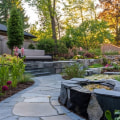
Incorporating hardscapes into your garden design is an effective strategy for creating a low-water or drought-resistant landscape. Hardscapes refer to the non-plant elements of your garden, such as paths, patios, walls, and other structures that can enhance both functionality and aesthetics while minimizing water usage.Using Hardscapes for Drought Resistance
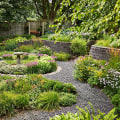
- Paths and Walkways: Design paths using permeable materials like gravel or pavers that allow rainwater to seep into the ground. This not only reduces runoff but also helps maintain soil moisture.
- Patios: Create outdoor living spaces with hard surfaces that require little to no water. Consider using stone or concrete, which can withstand heat and reduce the need for surrounding plant irrigation.
- Retaining Walls: Use retaining walls to create terraces in sloped areas.
This design helps manage water flow and can support drought-tolerant plants by providing a stable environment for their roots.
- Color and Texture: Choose hardscape materials that complement the natural colors and textures of your plants. This creates a cohesive look while enhancing the overall beauty of your garden.
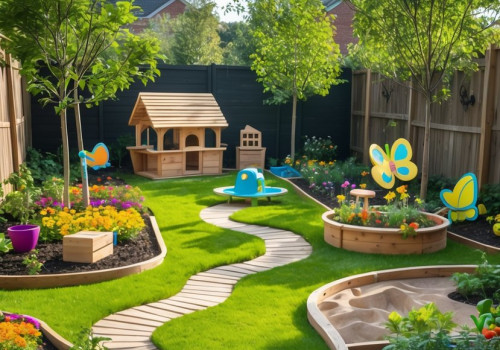
- Functional Spaces: Designate areas for relaxation or entertainment with hardscapes, reducing the need for extensive grassy areas that require more water.
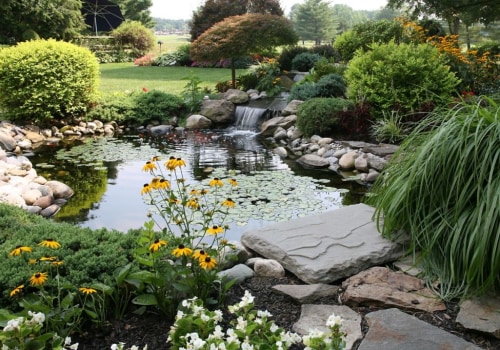
- Incorporate Water Features: If you desire a water element, consider a dry creek bed or a decorative rock fountain that recycles water, adding visual interest without excessive consumption.
Creating Microclimates in Your Garden
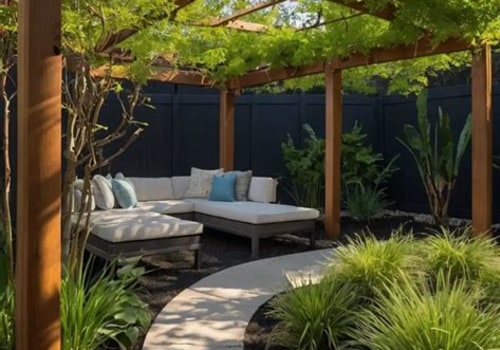
Creating microclimates in your garden is an effective strategy for enhancing plant health and conserving moisture, especially in regions prone to drought. By manipulating the environment within your garden, you can provide plants with the protection they need from extreme temperatures and harsh weather conditions.One of the primary ways to create microclimates is through the use of shade.Strategically placing trees, shrubs, or even trellises can help shield delicate plants from the scorching sun. For instance, planting taller species on the western side of your garden can block the intense afternoon sun, reducing heat stress on more sensitive plants.Additionally, consider using structures such as pergolas or arbors to create shaded areas. These not only provide relief from direct sunlight but also add aesthetic value to your garden design. Climbing plants can be trained to grow over these structures, further enhancing the cooling effect.Another method to establish microclimates is by utilizing water features.
Ponds or fountains can moderate temperatures and increase humidity levels in their vicinity. The evaporation from these water sources cools the air, creating a more favorable environment for plants that thrive in moist conditions.Furthermore, grouping plants with similar water and light requirements together can help maintain a consistent microclimate. This practice minimizes competition for resources and allows for more efficient watering practices. For example, placing drought-resistant plants near rocks or concrete surfaces can help them absorb heat during cooler nights, extending their growing season.Finally, consider using mulch around your plants.
Mulch not only retains soil moisture but also helps regulate soil temperature. Organic mulches like wood chips or straw can break down over time, enriching the soil while providing a protective layer against temperature fluctuations.By thoughtfully designing your garden with these microclimate strategies in mind, you can create a resilient landscape that thrives even in challenging conditions.
Maintenance Tips for a Low-Water Garden
Maintaining a low-water garden requires a thoughtful approach to ensure that your plants thrive while conserving water. Here are some essential maintenance tips to keep your drought-resistant garden flourishing.Regular Pruning
Pruning is crucial for the health of your plants. Regularly remove dead or diseased branches to promote air circulation and prevent pest infestations.Focus on:
- Timing: Prune during the dormant season for most plants, typically late winter or early spring.
- Technique: Use clean, sharp tools to make precise cuts, which helps the plant heal faster.
Pest Management
Even drought-resistant plants can fall victim to pests. Implementing integrated pest management (IPM) strategies can help you maintain a healthy garden:- Encourage Beneficial Insects: Attract ladybugs and lacewings by planting native flowers, which can help control pest populations naturally.
- Regular Monitoring: Check your plants frequently for signs of pests or disease, allowing for early intervention.
Seasonal Care
Your low-water garden will require different care throughout the seasons. Here are some tips:- Mulching: Apply a layer of organic mulch in spring to retain moisture and suppress weeds.
- Watering Schedule: Adjust your watering routine based on seasonal rainfall. Deep watering once a week is often more effective than frequent shallow watering.
- Fertilization: Use slow-release fertilizers in early spring to provide nutrients without encouraging excessive growth that requires more water.
A well-maintained low-water garden not only conserves resources but also enhances the beauty of your outdoor space.
Common Mistakes to Avoid in Drought-Resistant Gardening
Creating a drought-resistant garden can be a rewarding endeavor, but many gardeners fall into common traps that can undermine their efforts. Here are some mistakes to avoid when planning your low-water garden:- Choosing the Wrong Plants: One of the most significant errors is selecting plants that are not suited for dry conditions. Always opt for native or drought-tolerant species that thrive in your local climate.
- Poor Soil Preparation: Neglecting soil health can lead to water retention issues. Ensure your soil is well-aerated and enriched with organic matter to improve its ability to retain moisture.
- Overwatering: Ironically, many gardeners overcompensate by watering too frequently.
This can lead to shallow root systems and increased vulnerability during dry spells. Instead, water deeply but less often.
- Lack of Mulching: Failing to apply mulch is a common oversight. Mulch helps retain soil moisture, suppress weeds, and regulate soil temperature, making it an essential component of drought-resistant gardening.
- Inefficient Layout: A poorly designed garden layout can lead to uneven water distribution. Group plants with similar water needs together and consider using contouring techniques to direct rainwater effectively.
Remember, thoughtful garden design and planning are key to long-term success.
Conclusion: Embracing Sustainable Garden Design
In conclusion, creating a low-water or drought-resistant garden design is not only a practical approach to gardening but also a vital step towards embracing sustainable practices. As we face increasing challenges related to climate change and water scarcity, it becomes essential to adopt strategies that promote resilience in our gardens. Throughout this article, we have explored various tips and techniques that can help you design a garden that thrives with minimal water. From selecting native plants that are well-adapted to your local climate to implementing efficient irrigation systems, each choice contributes to a more sustainable landscape.- Choose Native Plants: Native plants require less water and maintenance, making them ideal for drought-resistant gardens.
- Incorporate Mulching: Applying mulch helps retain soil moisture and reduces the need for frequent watering.
- Design for Water Efficiency: Use techniques such as drip irrigation and rainwater harvesting to maximize water use.
- Create Microclimates: Position plants strategically to take advantage of shade and windbreaks, which can reduce water loss.
As you embark on your gardening journey, remember that every small step towards sustainability counts. Embrace these principles, and you will cultivate a thriving garden that respects our precious natural resources.